What is a natural face oil?
A face oil is a blend of plant oils and plant extracts, without water. Because there is no water, it also needs no emulsifiers to hold it together. What goes on your skin is oil, with fatty acids, vitamin E and the compounds from the plants.
For us, natural means plant ingredients instead of mineral oil (paraffin) or silicones. Mineral oil mainly forms a layer on top of the skin. Why we leave it out is explained in the truth about mineral oil.
What does a face oil do for your skin?
Your skin makes its own oil, called sebum. It keeps the skin supple and helps it hold on to moisture. If your skin is naturally dry, or the air is cold outside and dry inside from the heating, that layer often falls short. A face oil tops it up. Your skin feels softer, rough patches feel smoother and your face gets a natural glow without a greasy film.
An oil does not add moisture by itself. That is why it works best as the last step, over your toner, serum or cream. Read more about your skin's own oil in Sebum: good or bad for your skin?
Which face oil suits your skin?
- Dry skin. Dry skin makes little sebum and benefits most from an oil. Use a few drops over your cream in the evening, and one drop on tight areas in the morning. See also our products for dry skin.
- Normal and combination skin. A few drops in the evening are enough. If your T-zone gets shiny quickly, apply the oil to your cheeks only.
- Oily skin. Oily skin can use oil too. Choose a light oil and use very little, one or two drops in the evening. Jojoba oil is technically a liquid wax and absorbs quickly. Our guide to oily skin care shows how to build the rest of your routine.
- Sensitive skin. Start slowly with one drop and patch test a new oil first, for example on your neck. Our guide to sensitive skin has more tips.
- Mature skin. Over the years your skin makes less sebum and feels dry more quickly. An oil keeps it supple and adds glow. Find more tips in our guide to mature skin.
Still not sure? Our article Which face oil suits your skin? goes into each skin type in more detail. Or take the skin test for a routine that fits your skin.
What is in Miracle Oil?
Organic Miracle Oil is an oil of 22 ingredients, without water. The main ones:
Why we work with cold-processed plant ingredients is explained in the science of cold-processed botanical ingredients.
How do you use a face oil?
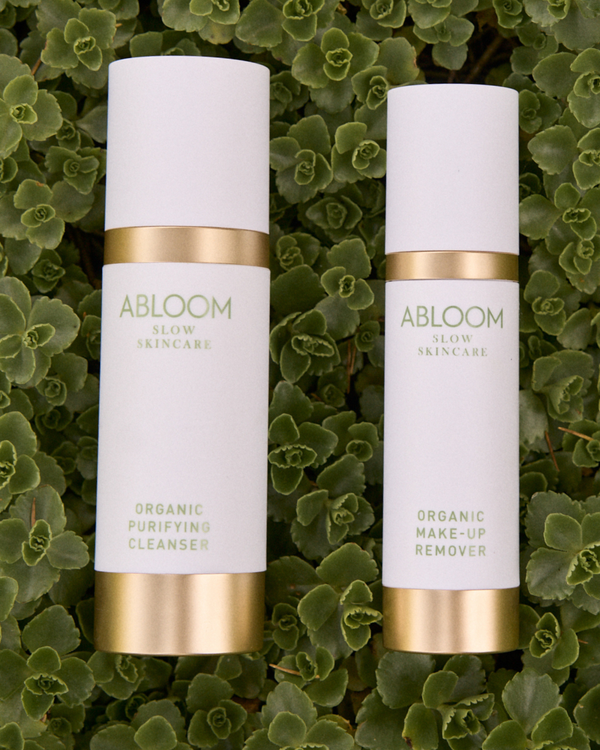
- Cleanse your skin, for example with the Purifying Cleanser.
- Apply your toner and a serum if you use one.
- Then your cream, such as the organic day cream or organic night cream.
- Warm a few drops of oil between your palms and press them gently into your face and neck.
- In the morning, finish with SPF.
You can also mix a drop of oil into your cream, or use it only on dry patches. Want to know exactly what goes when? Read In what order do I use my skincare products?
Face oil or cream: do you need both?
A cream gives your skin moisture and oil in one. We make our creams with aloe vera instead of water. A face oil only adds oil. For normal skin a good cream is often enough. For dry skin, in winter or after a windy day, oil is a welcome extra layer over your cream. You can use an oil instead of a cream, but then apply a toner first so your skin still gets moisture.
How do you store a face oil?
Plant oils don't like light, heat and air. Keep the bottle somewhere cool and dark, so not on the windowsill or next to the radiator, and close the cap well after use. Vitamin E helps keep the oil fresh, but a natural oil is still a fresh product. If it starts to smell different from what you are used to, or the colour has changed, stop using it on your face. Not sure which size to choose? Start with the small 15 ml bottle, so you know the oil suits your skin before you buy a larger one.
Is a cleansing oil the same thing?
No. A cleansing oil, like our Make-up Remover, loosens make-up and sunscreen and is then removed. It is made with almond oil and jojoba oil. A face oil stays on your skin. How cleansing with oil and then a cleanser works is explained on our double cleanse page.





 Organic Supreme Skin ElixirAn award-winning serum that deeply hydrates and leaves skin smoother, fuller and stronger.
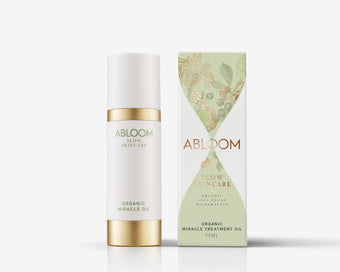 Organic Miracle OilA light face oil that nourishes dry skin and brings back its natural glow without feeling...
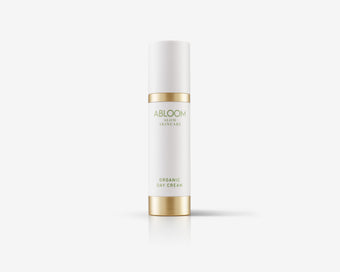 Organic Day CreamA nourishing day cream that keeps skin soft and moisturised all day without feeling greasy.