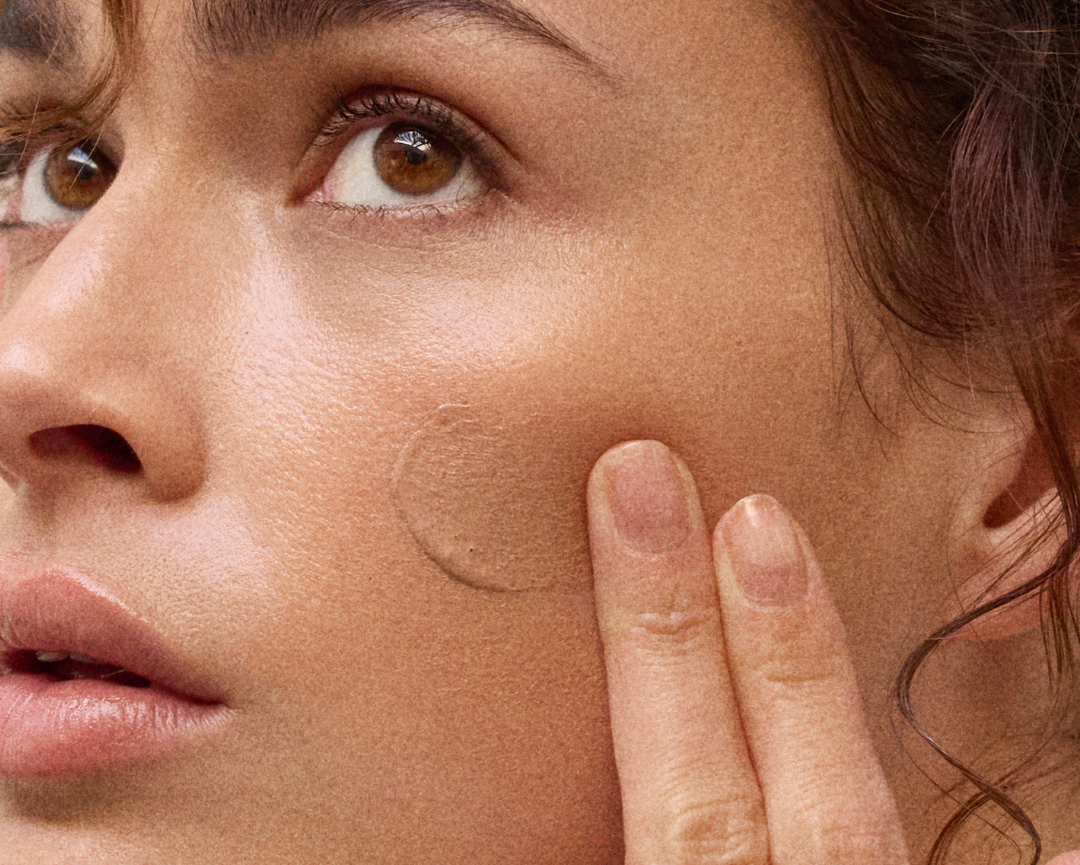
What makes a face cream natural?
A face cream is a blend of something watery and something rich. In most creams, water is the first ingredient. In our day, night and eye cream it is organic aloe vera juice. The rich part comes from shea butter and plant oils such as jojoba, sacha inchi and borage seed oil.
For us, natural is also about what is not in it: no mineral oil, no silicones and no microplastics. We make our creams ourselves, in small batches in the Netherlands. Why we work with cold-processed plant ingredients is explained in the science of cold-processed botanical ingredients.
Day cream, night cream, eye cream or SPF: what is the difference?
Day cream
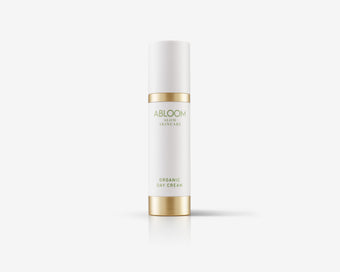
Our organic day cream is for the morning. It gives your skin moisture for the whole day and feels nourishing without a greasy film, so it sits well under SPF or make-up. Alongside aloe vera, shea butter and jojoba oil you will find sea buckthorn, calendula, chamomile and centella asiatica, among others.
Night cream
The organic night cream is for the evening, as the last step of your routine. It has the same base of aloe vera, shea butter and plant oils, with sandalwood, lavender and ylang ylang oil, among others. Why your skin deserves its own cream at night is explained in Night cream: why and how to use it.
Eye cream
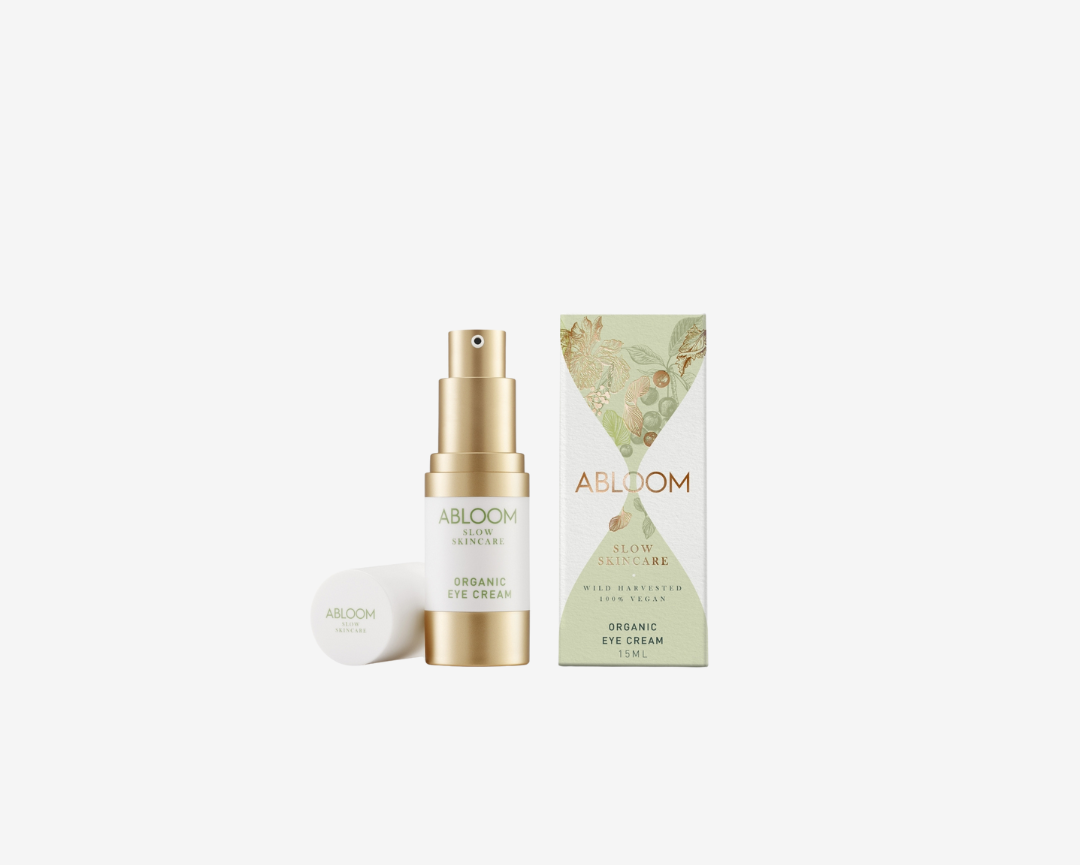
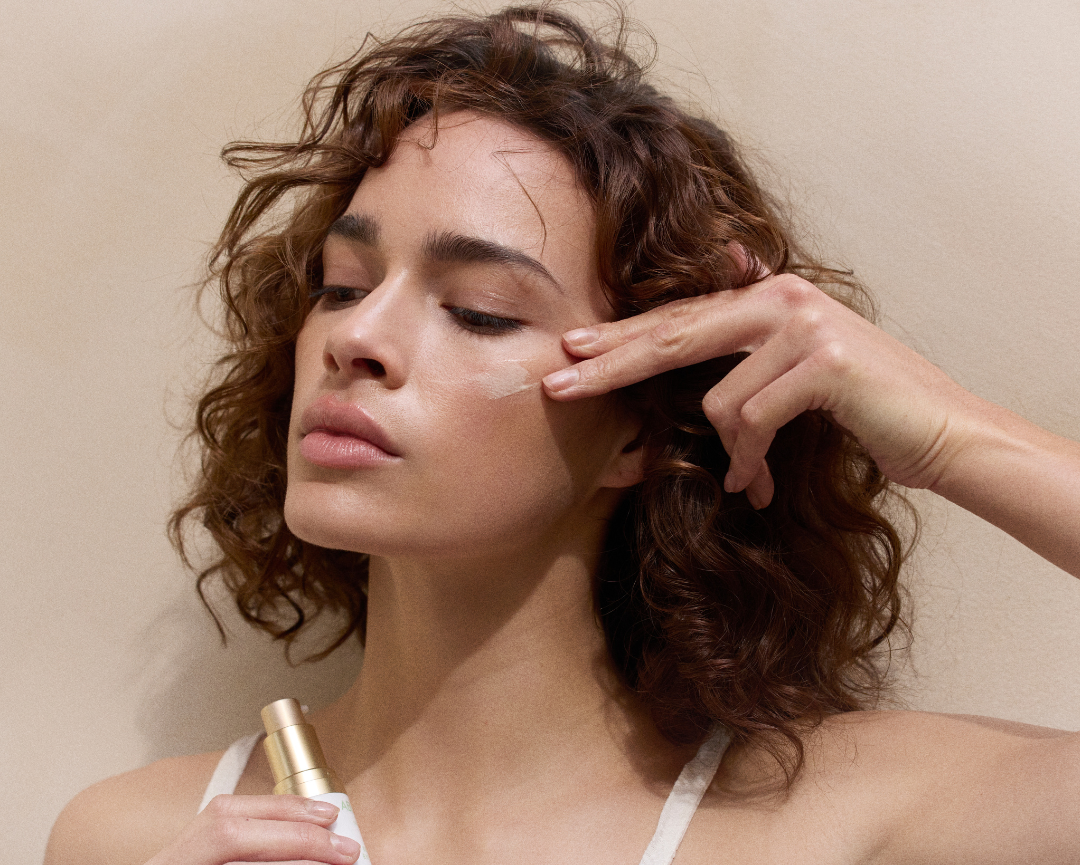
The skin around your eyes is thin and has few oil glands. That is why the organic eye cream has a soft, light texture. Besides aloe vera and shea butter it contains glycerin, marshmallow root, chamomile and seaweed extracts. When and how to apply it is explained in Eye cream: when and how to use it.
Cream with SPF 20
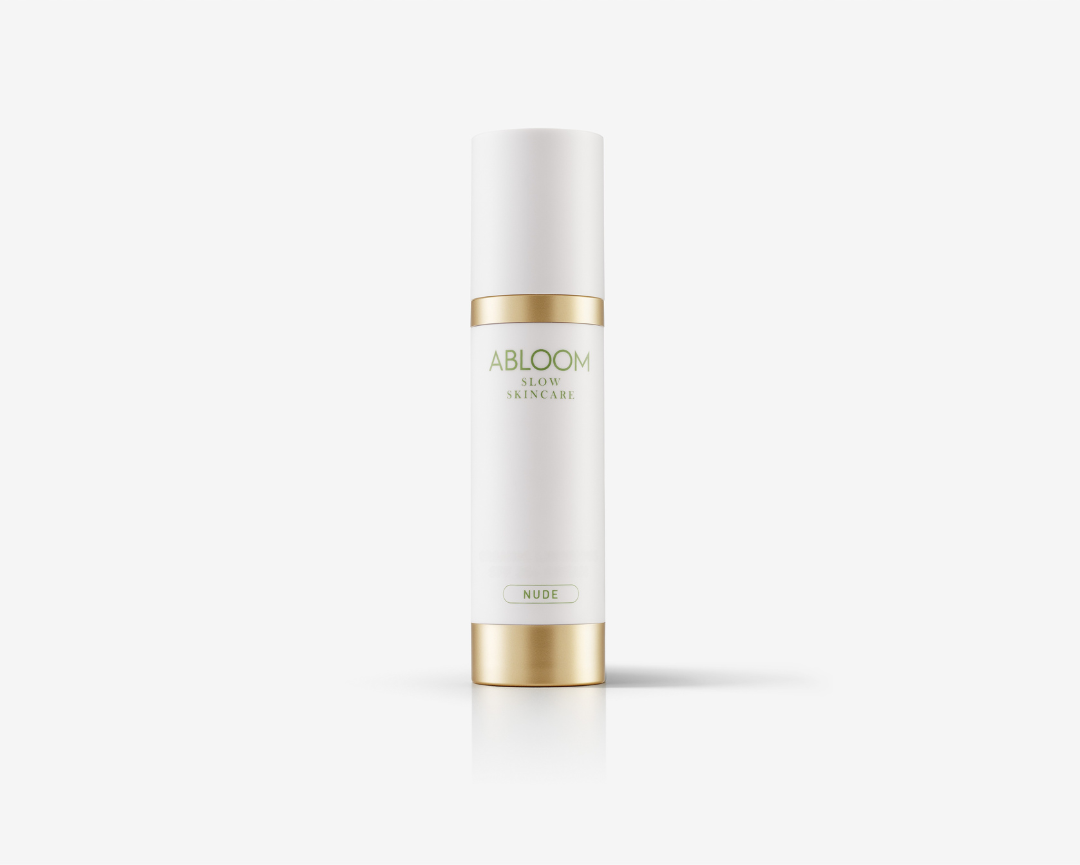
For daytime there is Luminous SPF 20+, in the shades Nude and Sunkissed. It uses zinc oxide as a mineral filter and helps protect your skin against UVA and UVB rays. Squalane, jojoba oil and shea butter keep your skin supple, and the light tint evens out your complexion. Why SPF matters in winter too: protect your skin, use SPF all year round. All products with SPF are in our SPF collection.
Which face cream suits your skin?
- Dry skin. Use the day cream, and the night cream in the evening. If your skin still feels tight, add a few drops of face oil. See also our products for dry skin.
- Normal skin. The day cream and an SPF are often enough. Add the night cream in the evening when your skin asks for it.
- Combination and oily skin. Use a small amount and spread it thinly. Less on a shiny T-zone, more on dry cheeks. Read our guide to oily skin care too.
- Sensitive skin. Introduce one new product at a time and patch test a new cream first. Our guide to sensitive skin has more advice.
- Mature skin. Mature skin makes less sebum and dries out more quickly. Combine day and night cream, and use the eye cream for the thin skin around your eyes. More tips in our guide to mature skin.
Not sure what your skin needs? Take the skin test.
How do you apply a face cream?
- Cleanse your skin and apply a toner. Skin that has already had some moisture takes up cream more easily. Read why in What does a toner do, and do you need one?
- If you use a serum, apply it first. See our serums.
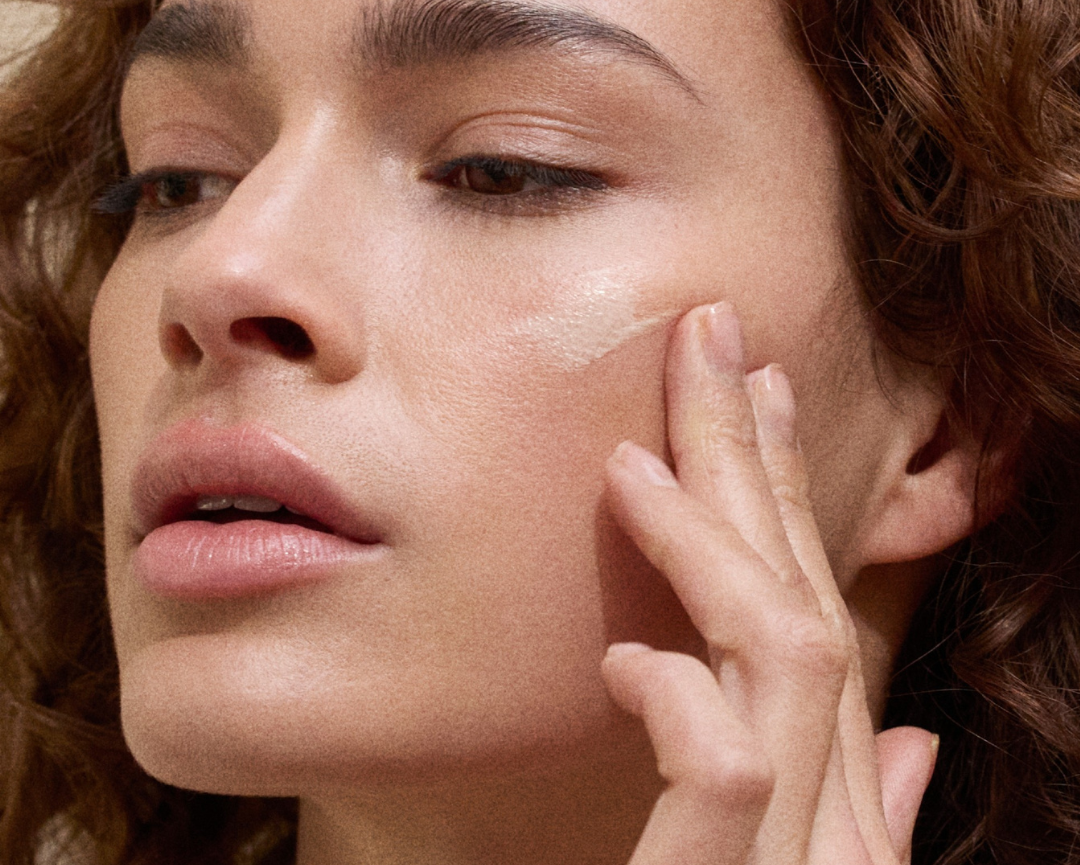
- Take a small amount of cream on your fingertips. Spread it over your face and neck and massage it in with small circular movements.
- Pat eye cream gently along the bone around your eye, not on the eyelid.
- For extra care, press a few drops of face oil over your cream.
- In the morning, SPF is always the last step.
The full order is in In what order do I use my skincare products?
Why does a natural cream feel different?
Many mainstream creams contain silicones. They give that smooth, slippery feel and seem to disappear at once. Our creams contain no silicones. They feel richer and need a minute to absorb. Shea butter can firm up a little in the cold, so warm the cream between your fingertips before you apply it. You also need less than you think: a small amount covers your face and neck. Better to take a little twice than too much once. That way your skin won't look shiny and your cream lasts longer.
Do you really need a separate day and night cream?
No, you don't have to. You can use one cream morning and evening. A separate night cream does have advantages, though. During the day you want a cream that sits well under SPF and make-up. In the evening that does not matter, and the cream can have its own formula for that quiet moment before bed. If your skin is dry, or it is winter, that is often when you notice the difference first.