 by Barbara Baars
Which face oil suits your skin?

A face oil can feel like a bit of a mystery. Is it too rich for oily skin? Does it really do anything for dry skin? The short answer is that almost every skin type benefits from the right oil. What matters is which oil you choose and how you use it. Here is how to find the face oil that suits your skin.
What a face oil actually does
A face oil works on the outer layer of your skin, where it helps to hold in moisture and strengthen the skin barrier. A good botanical oil brings fatty acids, antioxidants, and vitamins that feed the skin and protect it from outside influences. It does not replace your moisturizer. It seals in everything underneath and keeps the skin supple through the day and night.
Oil is not the enemy, even for oily skin
Many people with oily skin avoid oil out of fear that it will make things worse. In practice the opposite is often true. Your skin makes its own oil, called sebum, and a light plant oil is close to that natural sebum. When your skin feels fed, it has less reason to overproduce. A well-chosen oil can help to balance an oily skin rather than burden it. If you want to understand the topic better, read our article on sebum and how to keep it in balance.
Which face oil suits your skin type?
Skin is personal, so use this as a starting point rather than a strict rule.
Dry and dehydrated skin
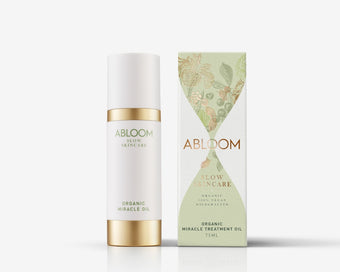
A dry skin lacks oil, a dehydrated skin lacks water, and many people have a bit of both. A nourishing oil is a real friend here. Apply it as the last step so it locks in the moisture from your toner and cream. Our Miracle Oil is a good all-round choice, and for extra repair you can layer it over the Night Cream.
Oily and combination skin
Choose a light oil and use only a few drops. A little goes a long way, and the oil helps to calm the overproduction of sebum. The Miracle Oil absorbs quickly and does not leave a heavy film.
Sensitive skin
Look for a mild, fragrance-free formula with calming botanicals, and always patch test first. A gentle oil can soothe reactive skin and support the barrier. If you have active rosacea, skip facial oils during a flare-up and return to them once the skin has calmed.
Mature skin
As skin matures, it makes less oil and can feel drier and thinner. A rich oil helps here, and a concentrated serum adds targeted care. Our Supreme Skin Elixir focuses on firmness and fine lines and works beautifully under the Miracle Oil.
Normal skin
A normal skin stays balanced with a light oil a few times a week, mainly in the evening or whenever the skin feels a little dry.
How to use a face oil
Oil is the last step in your routine, because it seals in everything you applied before it. Cleanse, then apply your toner and cream, and finish with a few drops of oil pressed gently into the skin. In the morning you can follow with SPF. Not sure about the order of your products? We explain it step by step in our guide to the right order for your skincare.
Why a cold-pressed, botanical oil
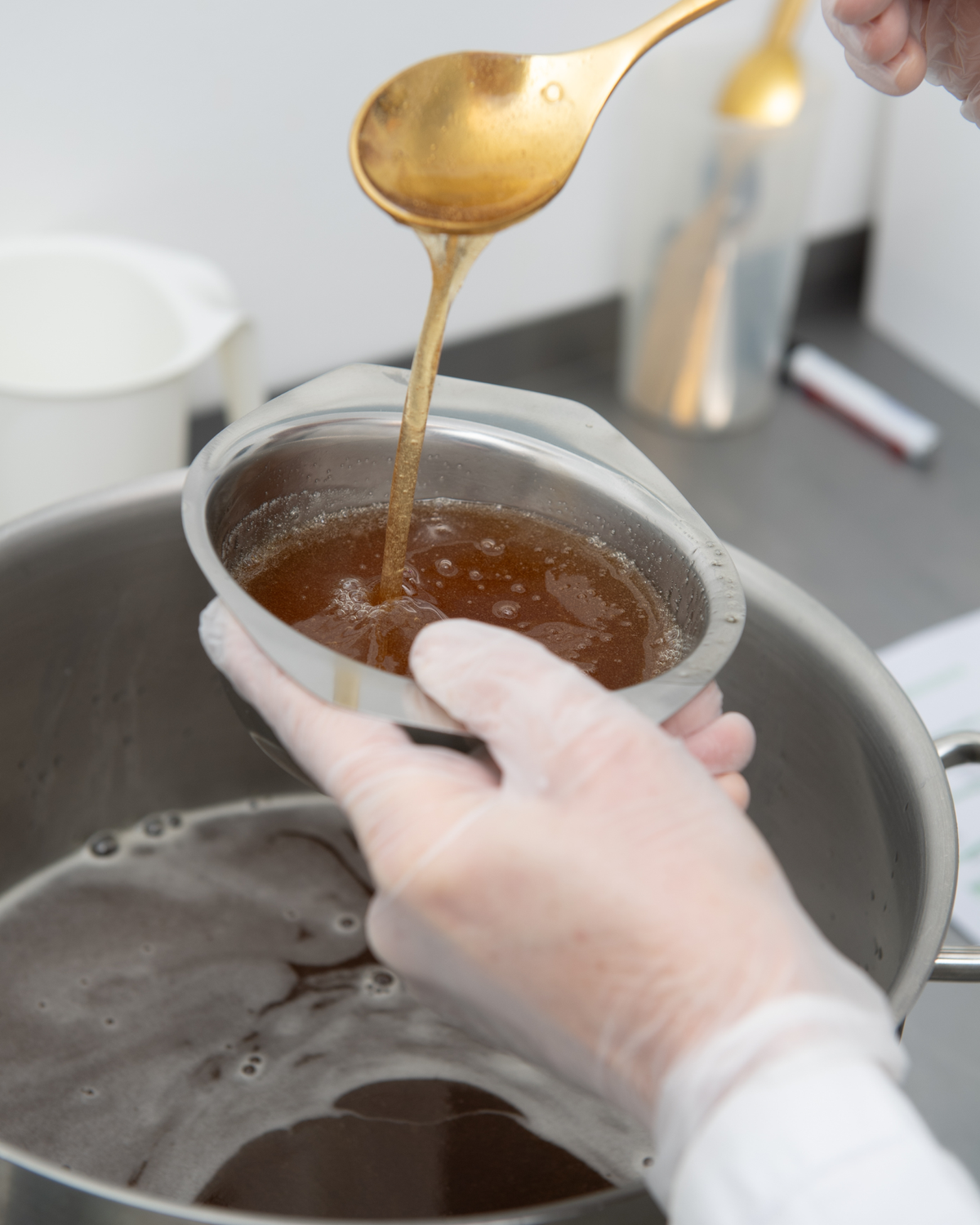
The quality of an oil depends on how it is made. At Abloom our oils are built on wild-picked and organic plants that rest and are then cold-pressed, so the bioactive nutrients stay intact. That is the heart of slow skincare: no shortcuts and no heat that strips the plant of its power, just pure oil that your skin recognizes.
Can I use a face oil if I have oily skin?
Yes. A light plant oil is similar to your skin’s own sebum and can help balance oil production. Use only a few drops in the evening.
Is a face oil the same as a serum?
No. A serum is usually water-based and carries active ingredients deeper into the skin, while an oil sits nearer the surface to seal in moisture and protect the barrier. They work well together.
When do I apply a face oil in my routine?
As the last step, after your toner and cream, because oil locks in everything underneath. In the morning you still finish with SPF.
How many drops do I need?
A few drops are enough for the whole face. Warm them between your fingers and press them gently into the skin.