
 by Barbara Baars
Is Sebum Good or Bad for Your Skin?

Sebum has a bad reputation. Most people link it to oily skin, shine and breakouts, and want rid of it as fast as possible. But sebum is not the enemy. It is your skin's natural protective layer. The real question is not how to remove sebum, but how to keep it in balance.
What is sebum?
Sebum is an oily substance produced by your sebaceous glands. It is a mix of fatty acids, triglycerides and other lipids that keeps your skin and hair supple and hydrated. At the same time it forms a natural barrier against outside influences such as pollution and bacteria. In short, sebum is one of the ways your skin keeps itself healthy.
Is sebum good or bad?
In balance, sebum is purely good. It holds moisture, protects your skin barrier and even has an antibacterial effect thanks to the fatty acids it contains. Sebum only becomes a problem when there is too much or too little. It is not about more or less sebum, but about balance.
What sebum does for your skin
- Hydration. Sebum locks in moisture and stops your skin from drying out, especially in cold or dry conditions.
- Protection. It forms a thin protective film against pollution and bacteria.
- Antibacterial. The fatty acids in sebum help keep harmful bacteria at bay and reduce irritation.
- Suppleness. Sebum keeps your skin soft and resilient.
Too much or too little sebum
Too much sebum leads to shine, clogged pores and breakouts. Common causes are hormones (testosterone, think puberty), stress, diet and, surprisingly, overly aggressive skincare. Too little sebum leaves your skin dry and tight, and ages it faster.
The biggest mistake: washing sebum away
Many foaming cleansers and scrubs are designed to strip the skin. But remove sebum completely and your skin barrier gets damaged, so your skin responds by producing even more sebum to compensate. The result is oilier, more troubled skin, the opposite of what you wanted. During puberty, when sebum production is already high, harsh cleansing backfires.
How to balance sebum naturally
The answer is not less care, but gentler, smarter care.
- Cleanse gently. Use a mild, natural cleanser that removes dirt without stripping your skin. Our Purifying Cleanser cleanses without harming the barrier. Follow with a hydrating toner to calm the skin.
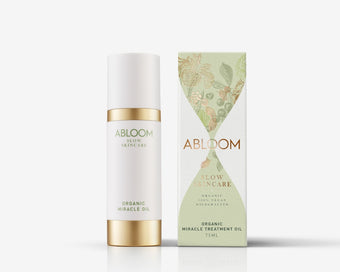
- Work with oil, not against it. Natural plant oils resemble human sebum by around 98%, so they calm your own sebum production instead of triggering it. It sounds counterintuitive, but a light oil can actually balance oily skin. Our Organic Miracle Oil is ideal for this. Read more about which facial oil suits your skin best.
- Do not over-exfoliate. Too much scrubbing disturbs the balance. Choose a mild enzyme peeling instead of a harsh scrub.
- For men, sebum production is naturally higher due to testosterone. Our men's skin page explains how to balance it.
Frequently asked questions
- Is sebum the same as oil? Sebum is oily, but not ordinary oil: it is a specific mix of lipids with a protective role.
- Can an oil help oily skin? Yes, and it is less strange than it sounds. A natural oil that resembles sebum signals your skin that it needs to produce less of its own.
- Should I remove all sebum when I break out? No. With troubled skin, balance is the goal, not stripping.
Respect your sebum
Sebum is not an enemy but an ally. Choose mild, plant-based care, do not over-wash your skin, and give sebum the space to do what it does best: protect, hydrate and soften. Skin in balance is healthy skin.
Curious what your skin needs? Take the skincare test or discover the Organic Miracle Oil.