


Blog
Is Sebum Good or Bad for Your Skin?
Sebum has a bad reputation. Most people link it to oily skin, shine and breakouts, and want rid of it as fast...
More info

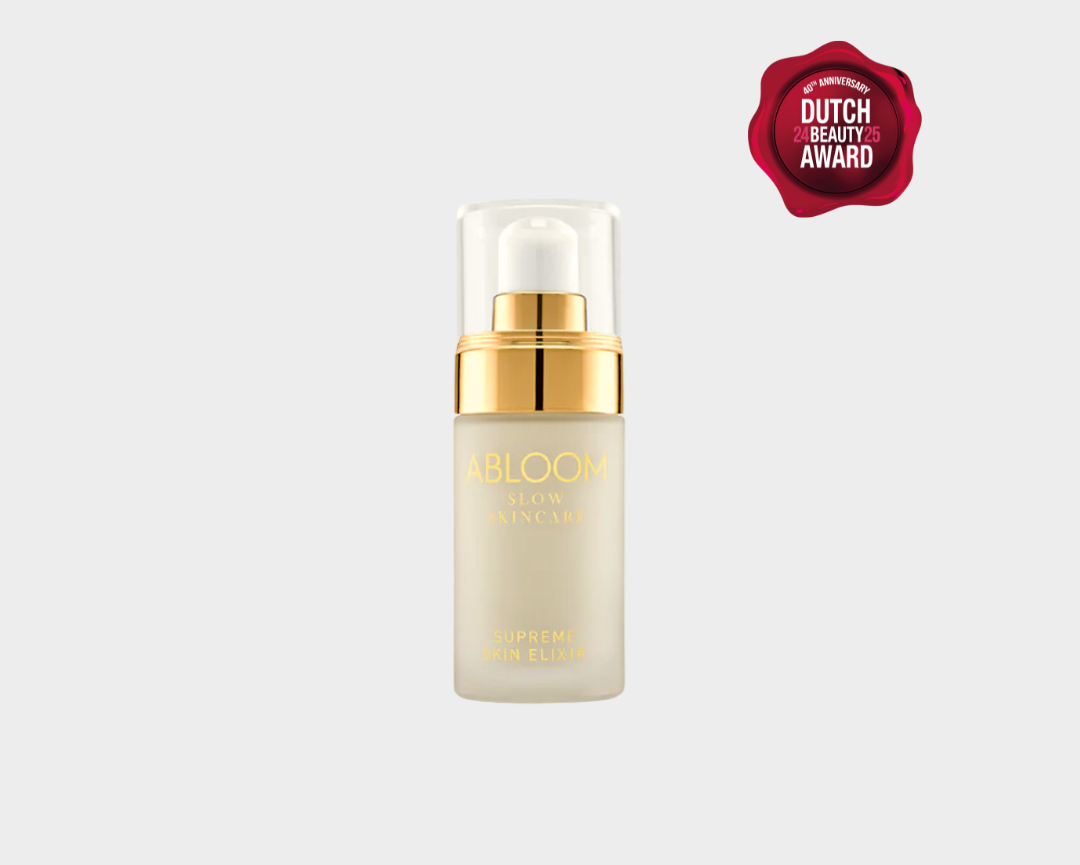
 Organic Supreme Skin ElixirAn award-winning serum that deeply hydrates and leaves skin smoother, fuller and stronger.
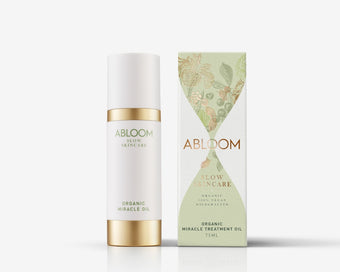 Organic Miracle OilA light face oil that nourishes dry skin and brings back its natural glow without feeling...
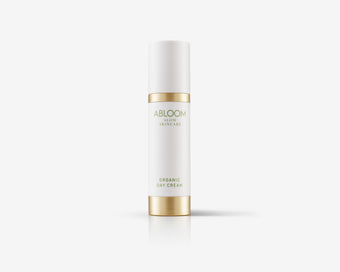 Organic Day CreamA nourishing day cream that keeps skin soft and moisturised all day without feeling greasy.
Acne is one of the most common, and most frustrating, skin concerns, and it helps to understand what is really going on. It often begins in puberty, when testosterone stimulates sebum production (in men and women alike, as part of the reproductive system). The skin becomes oilier, which gives bacteria more to feed on, and the result is inflammation and pimples. The instinct is to fight it by scrubbing, drying and stripping the skin, but that usually makes things worse: the barrier breaks down, the microbiome is disturbed and the skin produces even more sebum in response. At Abloom we take the opposite route, calming the skin, rebalancing sebum and supporting the microbiome with pure, plant-based care.
Acne is rarely about being 'unclean'. It is a combination of factors that push the skin out of balance:
Please note: acne is not a hygiene problem, and you cannot scrub it away. Aggressive cleansing and drying products damage the skin barrier and its microbiome, which tends to make breakouts worse, not better. The goal is to calm and rebalance the skin, not to attack it.
When skin breaks out, it is tempting to reach for the strongest, most stripping products you can find. For acne-prone skin this usually backfires. Every harsh cleanse removes the protective oils and bacteria the skin needs, so it panics and produces even more sebum, exactly what feeds breakouts.
A gentler, barrier-first approach works with the skin instead. Light plant oils help normalise sebum without clogging pores, soothing botanicals calm inflammation, and a supported microbiome defends the skin better. Over time this means fewer breakouts, less redness and a calmer, more even complexion.
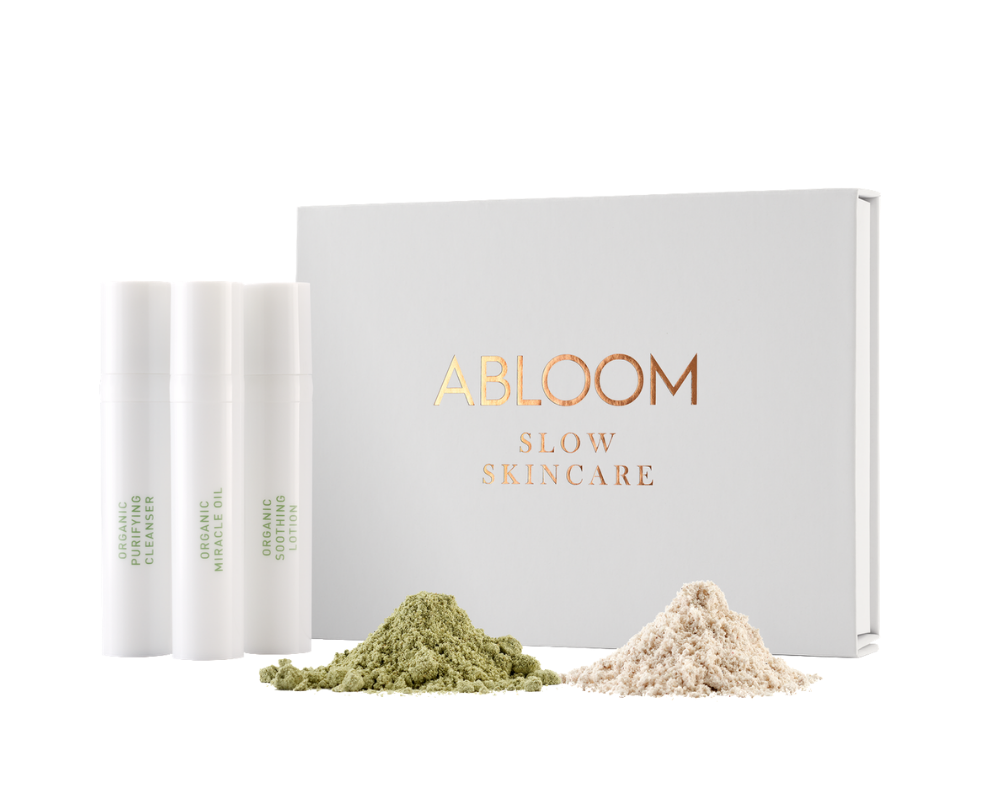
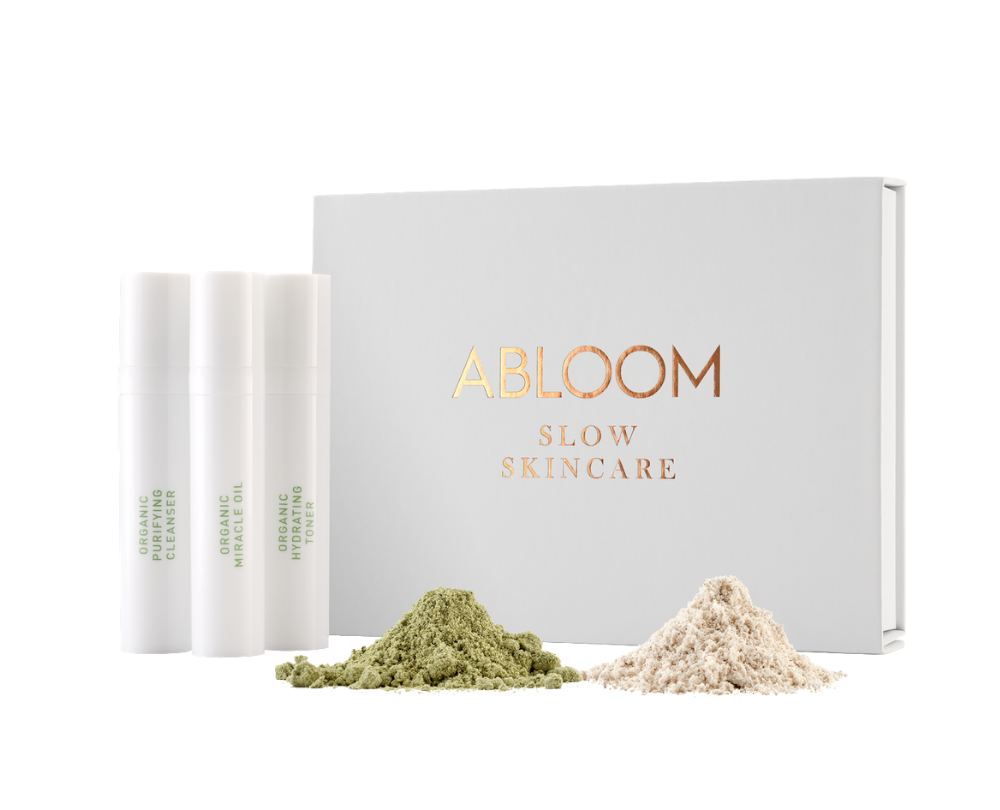
Discover the power of the Acne Skincare Set: a 100% organic, gentle yet effective start for acne-prone skin. This mini routine reduces breakouts, soothes inflammation, and restores balance so your natural beauty can shine again.
Four calm steps that clear the skin without stripping it.
Step 1 — Don't over-cleanse
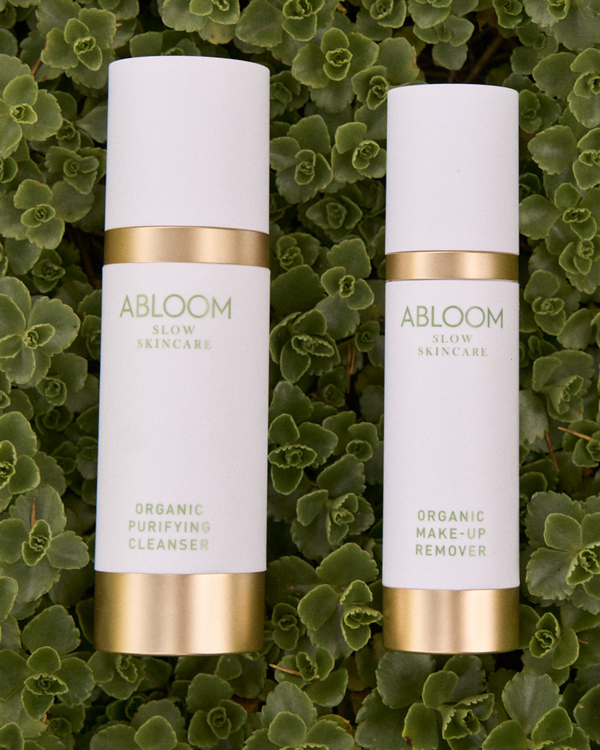
Cleansing too often removes the good bacteria and oils your skin needs. In the morning, simply splash your face with cool water; in the evening, cleanse gently with our Purifying Cleanser, which cleans effectively while respecting the skin barrier.
Step 2 — Calm the inflammation
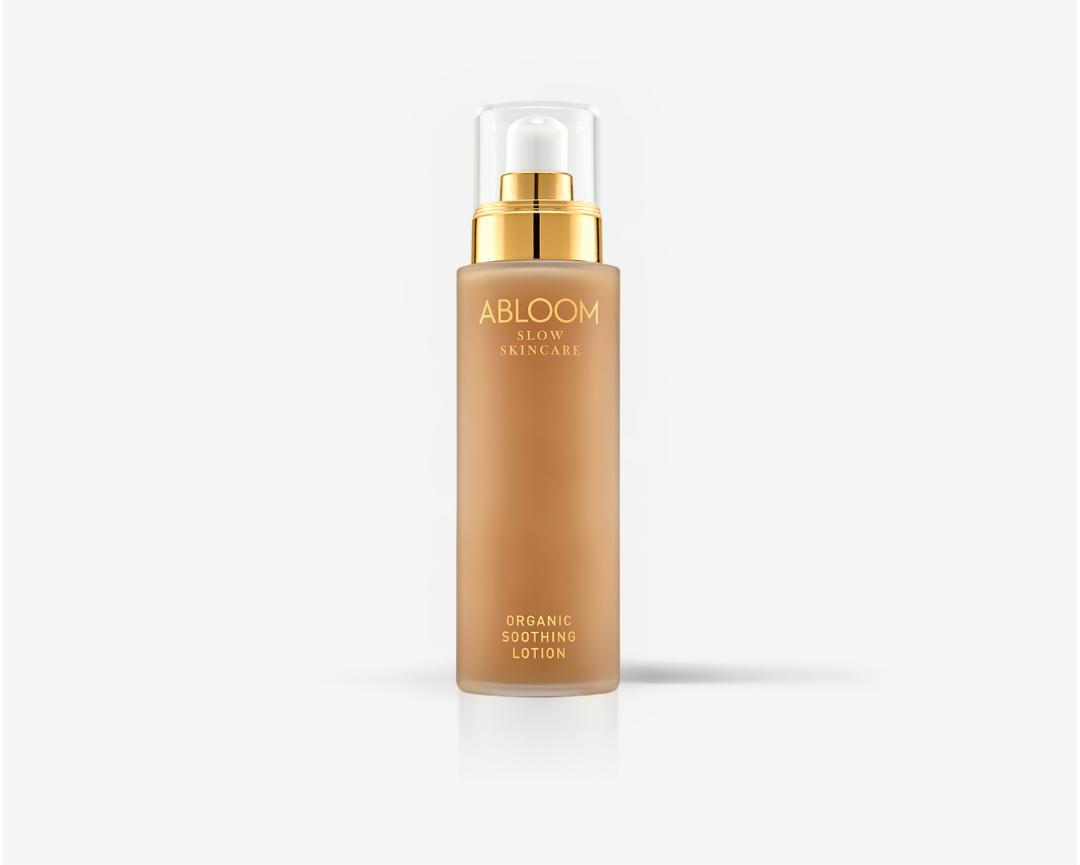
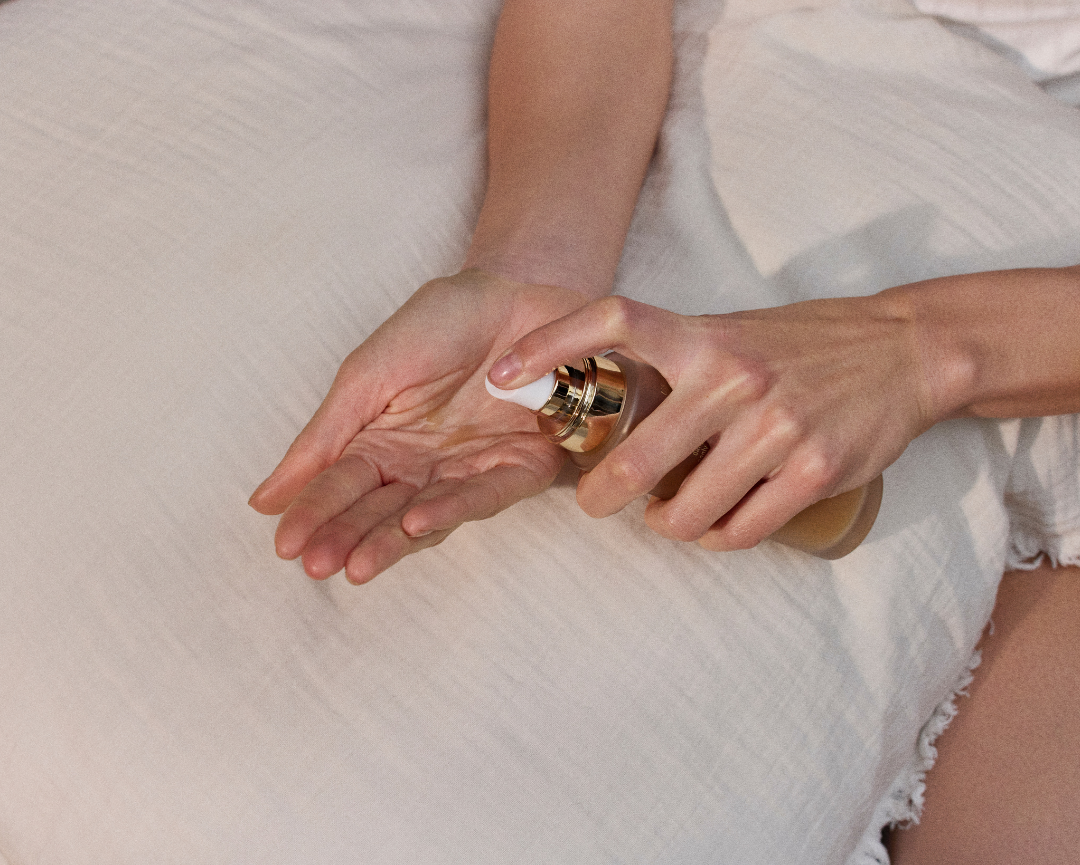
After cleansing, apply Soothing Lotion. Frankincense, orange and lavender help calm redness and soothe inflamed, breakout-prone skin.
Step 3 — Rebalance with Miracle Oil
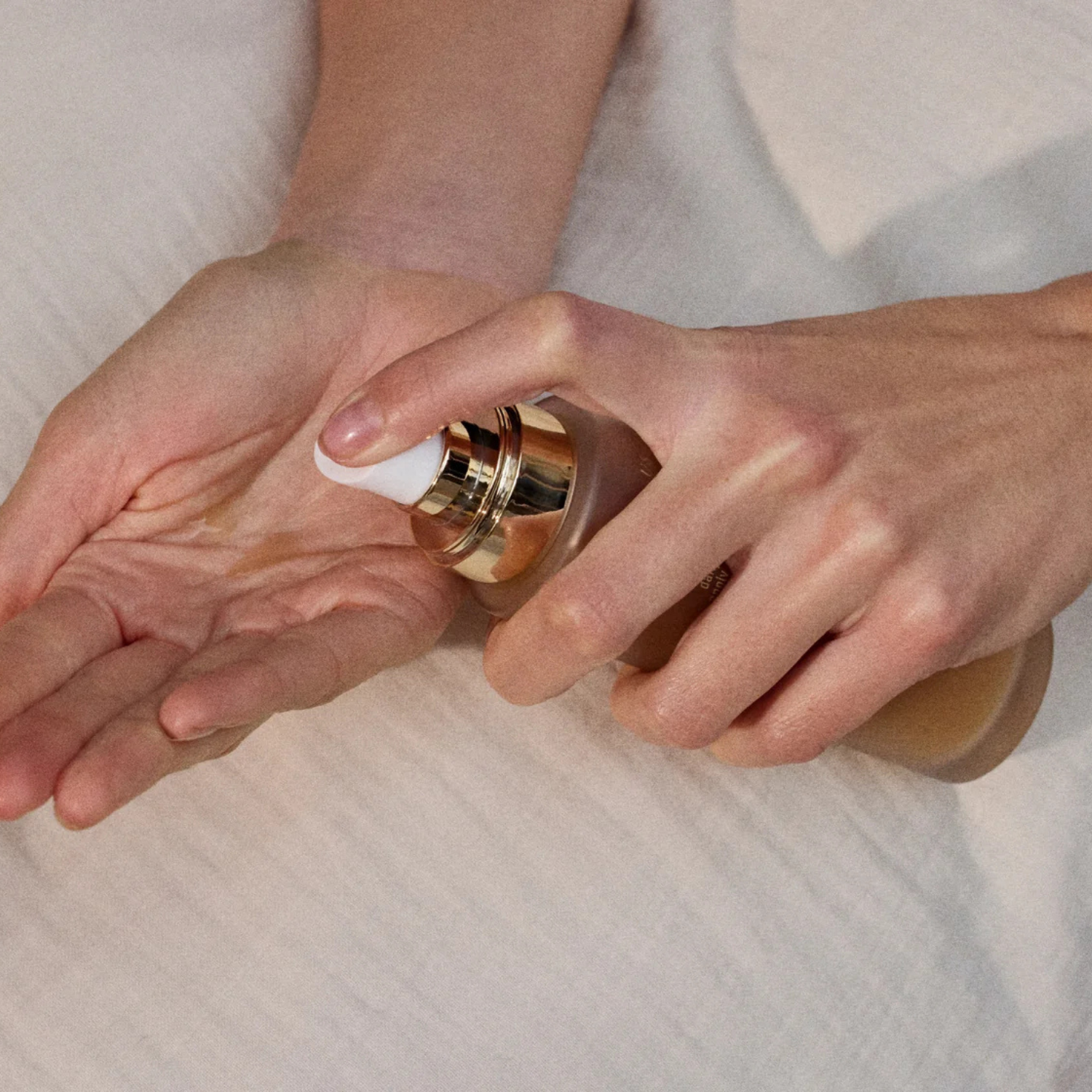
It sounds counterintuitive, but the right oil helps. A natural, light plant oil normalises sebum production without clogging pores. Miracle Oil blends 25 wild-grown botanicals in a light texture that acne-prone skin loves.
Step 4 — Strengthen and refine weekly
Once or twice a week, use a mask such as Green Detox to draw out impurities, and our Enzyme Peeling to gently remove dead skin and keep pores clear.
free from microplastics, toxins, chemicals or additives •
formulated with the finest botanical ingredients •
Proudly made by us in the Netherlands •
Our most concentrated serum, for visibly smoother and firmer skin.
A two-week reset for skin that is out of balance.
Sebum has a bad reputation. Most people link it to oily skin, shine and breakouts, and want rid of it as fast...
More info
Enlarged pores: more than just a cosmetic concern Every skin has pores, and they’re vital for your skin’s health. Yet when they...
More info
What you eat can influence breakouts. A few shifts often help calm acne-prone skin.
Eat more: Vegetables and fruit rich in antioxidants (berries, leafy greens, peppers). Omega 3 from oily fish (salmon, mackerel, sardines) or algae oil. Zinc-rich foods (pumpkin seeds, legumes) that support skin repair. Fermented foods (sauerkraut, kefir, kimchi) for a healthy gut.
Limit or avoid: Animal dairy, which contains growth hormone that can stimulate sebum. Sugar and fast, high-glycemic carbohydrates, which spike sebum and inflammation. Excess omega 6 oils (sunflower, corn, soybean oil) and fried food.
Acne-prone skin care
All about acne
Acne starts when testosterone stimulates sebum production, especially in puberty, making the skin oilier. That extra sebum gives acne bacteria more to feed on, which leads to inflammation and pimples. Harsh, drying products make it worse, so the goal is to calm and rebalance the skin rather than attack it.
No. Over-cleansing removes the good bacteria and oils your skin needs, so it produces even more sebum in response. Splash your face with cool water in the morning and cleanse gently once, in the evening, with a mild cleanser like our Purifying Cleanser.
Yes. It sounds counterintuitive, but a light, natural plant oil helps normalise sebum production without clogging pores. Miracle Oil blends wild-grown botanicals in a light texture that acne-prone skin absorbs well.
No. Drying and stripping the skin damages the barrier and its microbiome, which usually makes breakouts worse. A gentle, barrier-first routine that calms inflammation and rebalances sebum is far more effective in the long run.
It can. Animal dairy contains growth hormone that can stimulate sebum, and sugar and high-glycemic carbohydrates can spike sebum and inflammation. Eating more antioxidants, omega 3 and zinc-rich foods, and supporting your gut, helps calm the skin.
Avoid mineral oil, which clogs pores, and sulfates such as SLS, which strip the skin and trigger more sebum. Synthetic fragrance and alcohol are best avoided too. Check that your makeup, concealer and foundation are free of mineral oil.
It looks like you're visiting from Spain. We have a dedicated Spanish store with local pricing and faster shipping.
VISIT ABLOOMSKINCARE.ES