Your skin barrier: what it is and how to support it
Skin that suddenly stings, feels tight or reacts to everything? Then your skin barrier may be having a hard time. Skin specialist Barbara Baars explains what the skin barrier is, which signs to look out for and how to support it with mild cleansing and care.
 By Barbara Baars
5 min read
In this article
- What is the skin barrier?
- Signs that your skin barrier is having a hard time
- What puts pressure on your skin barrier?
- Want to restore your skin barrier? Start by leaving things out
- A mild routine in three steps
- Ingredients that support your skin barrier
- Who is this for?
- Which Abloom products fit a mild routine?
- How to use them
- When should you see a doctor?
- Read more

In short: your skin barrier is the outer layer of your skin. It keeps moisture in and helps keep irritating substances out. When it is under pressure, your skin feels tight, stings or reacts quickly. You support it by cleansing mildly, exfoliating less and caring for your skin with ingredients that give moisture and help keep it in. Your skin renews this layer itself; you give it the time and the right conditions to do so.
"Suddenly my skin reacts to everything, even to products I have used for years." When I hear that, I often think of the skin barrier. In this article I explain what that barrier is, how you can tell it is having a hard time and what you can do to support it.
What is the skin barrier?
The skin barrier is the outermost layer of your skin. It consists of flattened skin cells with fats in between, such as ceramides, fatty acids and cholesterol. You can picture it as a brick wall: the cells are the bricks, the fats are the mortar. On top lies a thin film of sebum and moisture.
Together they do two things. They slow down the loss of water from your skin, and they help keep irritating substances out. When the wall is intact, your skin feels soft and calm. When there are gaps in the mortar, moisture escapes faster and your skin reacts sooner. Sebum plays a part here too; you can read more about it in my article on sebum.
Signs that your skin barrier is having a hard time
- Your skin feels tight after cleansing.
- Products you have used for a long time suddenly sting or burn.
- Your skin turns red more quickly after washing or in the cold.
- You notice rough, dry or flaky patches.
- Your skin looks dull and feels tight and oily at the same time.
These signs can also have other causes. That is why I always look at the whole picture: your routine, the season and how your skin felt before.
What puts pressure on your skin barrier?
- Cleansing too often, with a strong degreasing cleanser or with hot water.
- Scrubbing or exfoliating too often.
- Trying several new products at the same time.
- Dry air from the heating, cold wind and a lot of sun.
Want to restore your skin barrier? Start by leaving things out
Many people search for a way to restore their skin barrier quickly. To be honest: your skin does that work itself, and it needs time. What you can do is take away what puts pressure on it and give it mild care. In practice that often means doing less:
- Skip scrubs and exfoliating products for a few weeks. When your skin feels calm again, choose a mild exfoliation, no more than once a week. In my article on enzyme peels I explain how that differs from a scrub.
- Do not rub your face dry, but pat it gently with a soft towel.
- Introduce one new product at a time and try it on a small area first.
A mild routine in three steps
- Cleanse mildly. Once or twice a day, with a mild cleanser and lukewarm water. Wearing makeup or SPF? Remove it first with an oil, as explained on our page about double cleansing.
- Give moisture. A calming lotion or a hydrating toner, followed by a serum with hyaluronic acid if your skin feels tight.
- Help keep moisture in. Finish with a cream or a few drops of oil that suit your skin type. In the morning add SPF.
Give your skin a few weeks with a mild routine before you judge it.
Ingredients that support your skin barrier
- Ceramides: fats that occur naturally in your skin barrier. In skincare they help keep moisture in. Read more about ceramides.
- Panthenol: provitamin B5. It draws moisture into the skin and helps it feel calm. Read more about panthenol.
- Hyaluronic acid and glycerin: they bind water in the upper layers of your skin. Read more about hyaluronic acid.
- Aloe vera: gives moisture and helps calm tightness. Read more about aloe vera.
- Plant oils such as jojoba and olive oil: they soften the skin and help protect its natural moisture layer.
Who is this for?
For anyone whose skin feels tight, stings or reacts more quickly than usual. It often applies to sensitive skin and dry skin, but oily skin that has been cleansed too harshly can also have a hard time. Does your skin mainly feel tight and look dull? Then read my article on dehydrated skin as well.
Which Abloom products fit a mild routine?
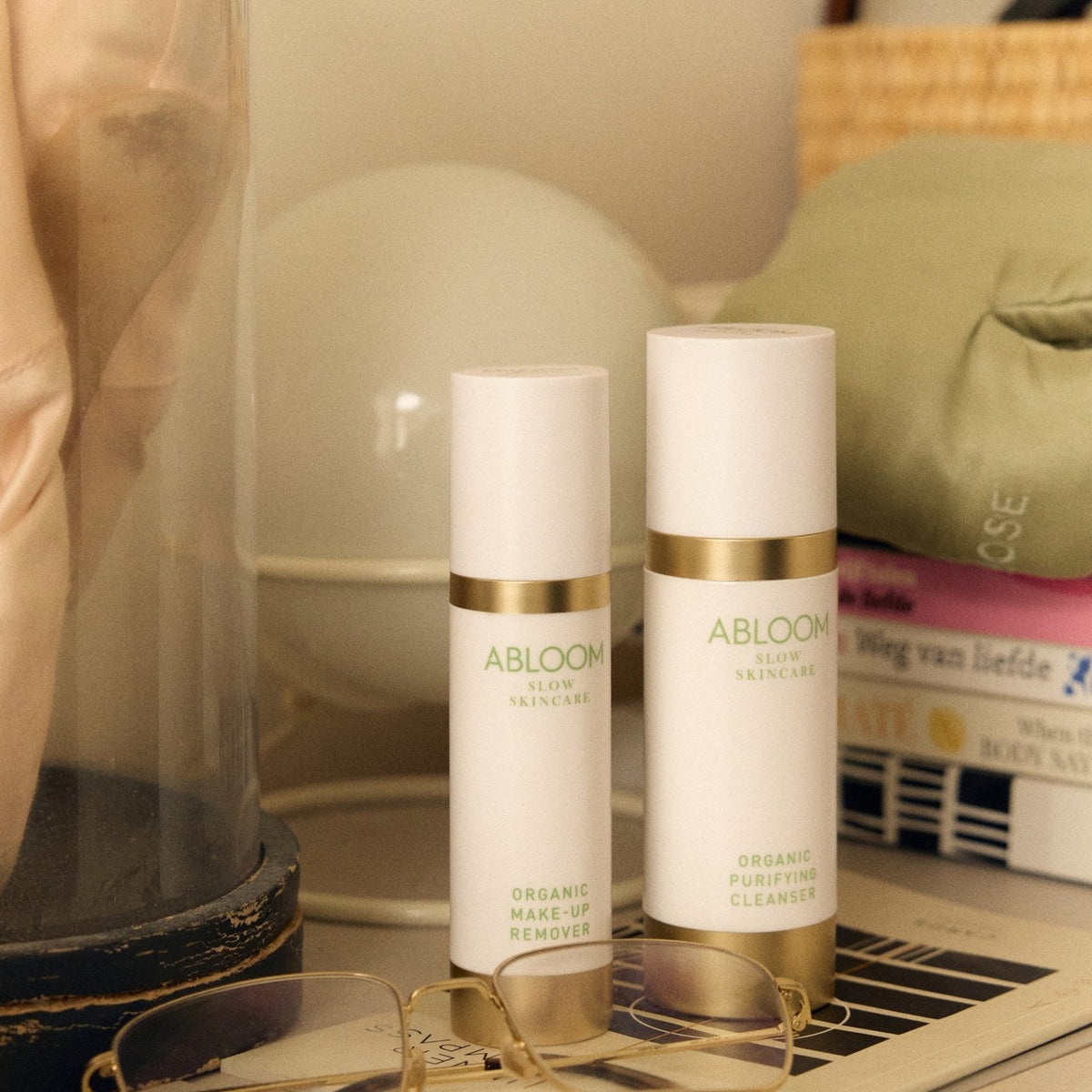
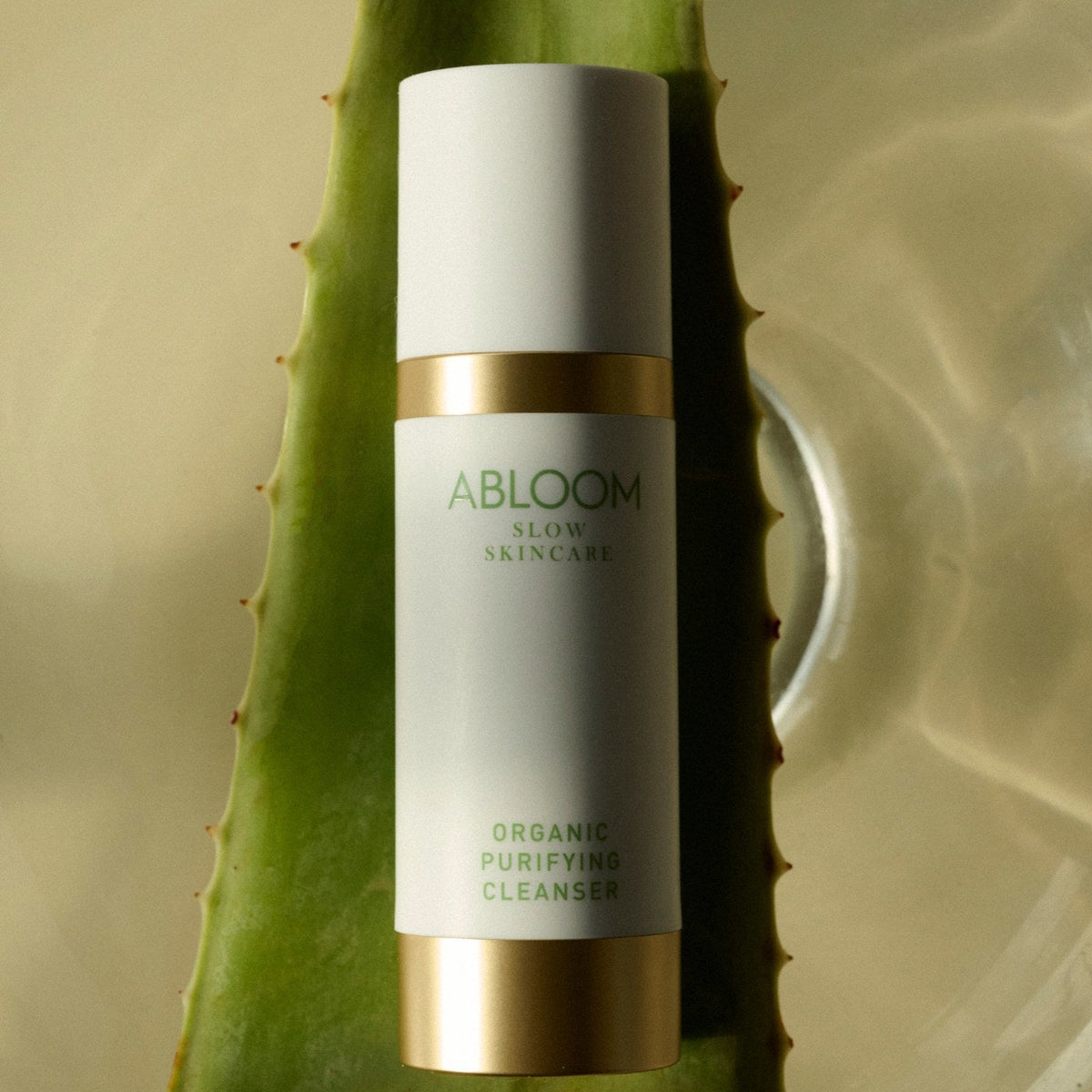
Organic Purifying Cleanser. Made with aloe vera instead of water, with glycerin and coconut, olive and jojoba oil. It cleanses thoroughly without drying out the skin and respects the skin's natural barrier. Suitable for all skin types, including sensitive skin. Not meant for removing eye makeup.
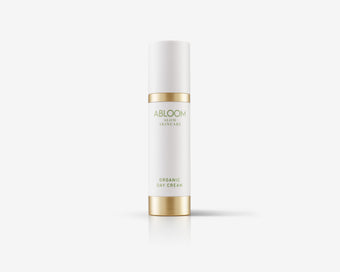
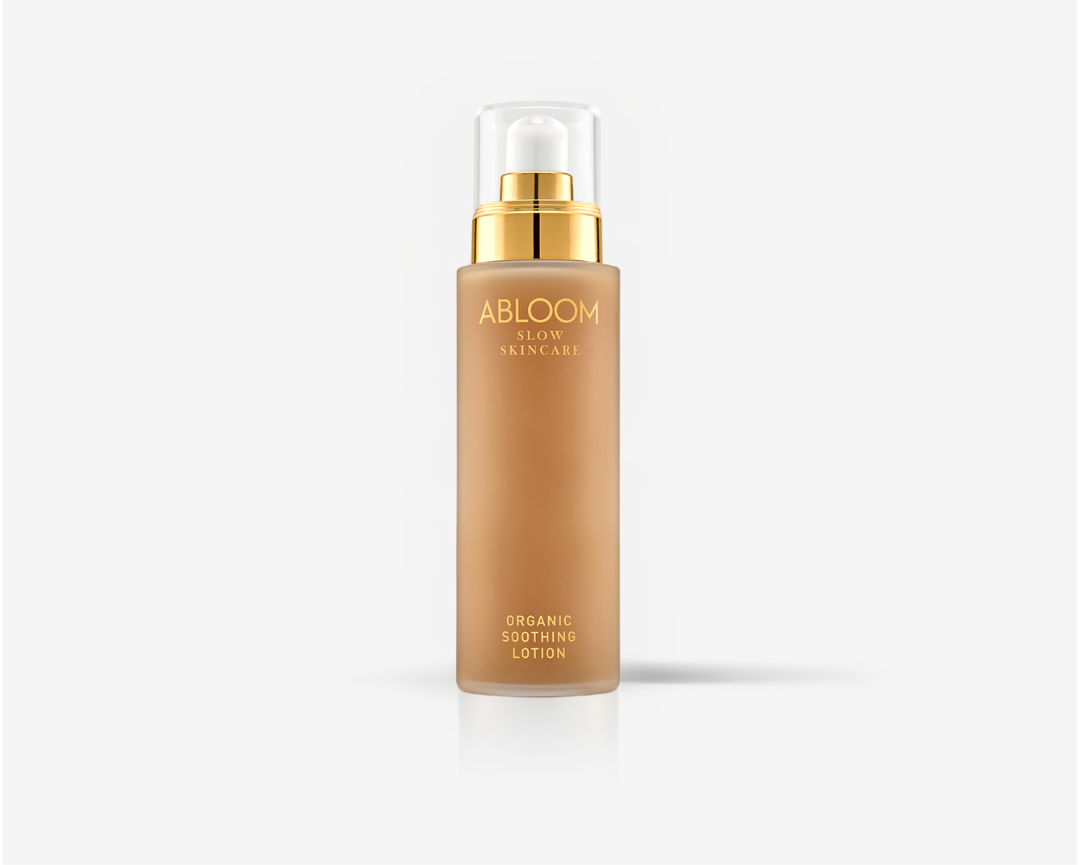
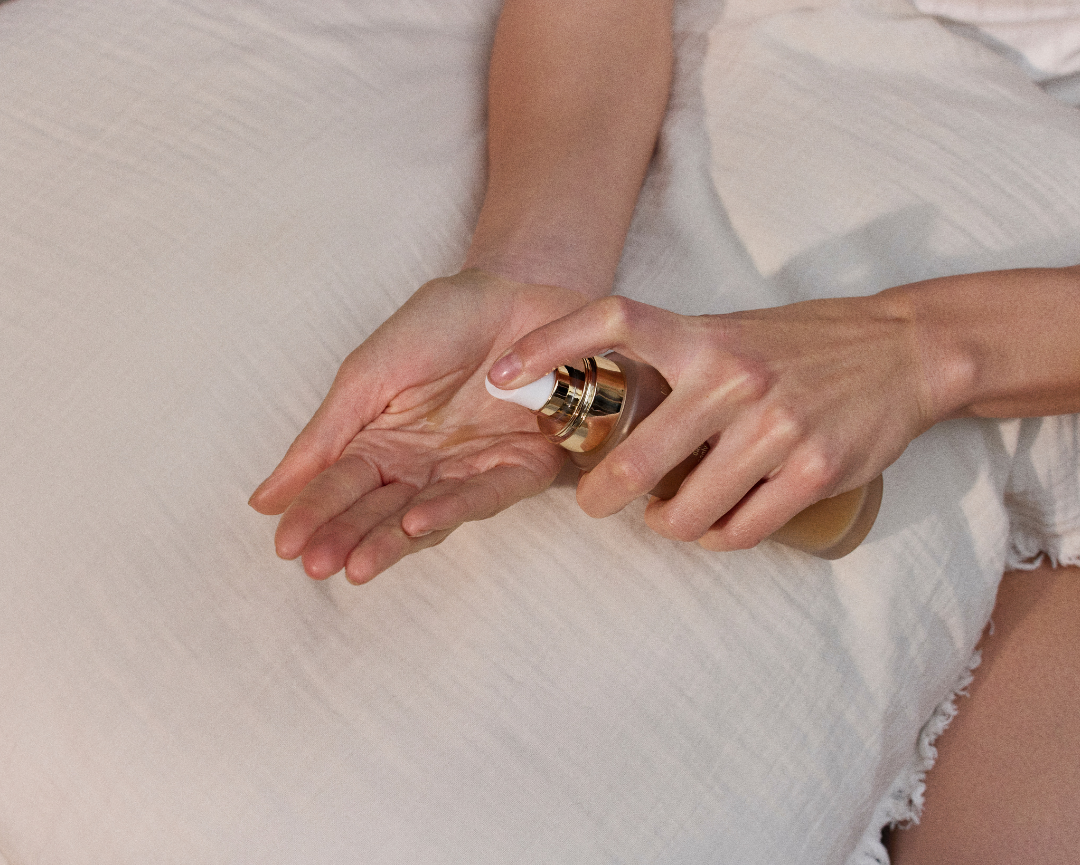
Organic Soothing Lotion. Made with aloe vera instead of water, with glycerin and panthenol. It quickly soothes skin that feels hot or irritated and helps the skin feel stronger and less reactive. Light, and does not feel greasy.
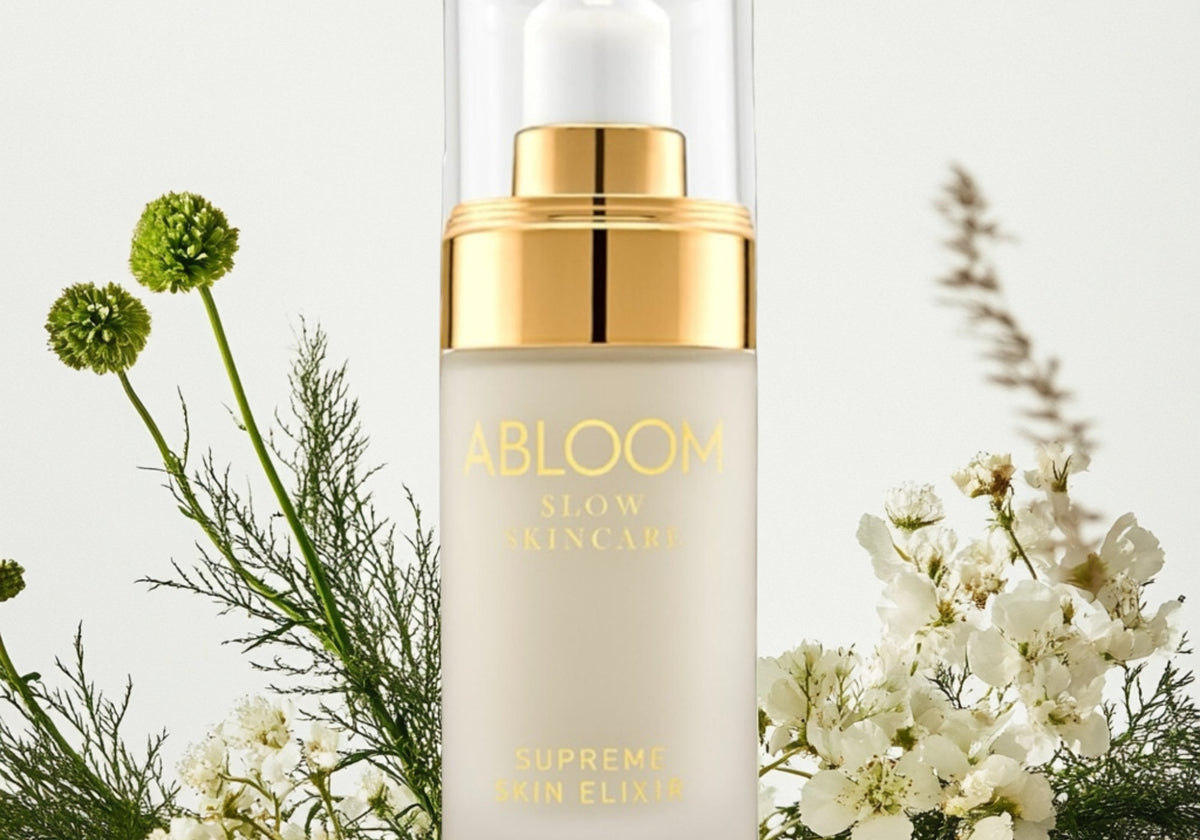
Organic Supreme Skin Elixir. With ceramide NP, hyaluronic acid (Sodium Hyaluronate) and glycerin, made with aloe vera instead of water. It helps stop moisture from escaping too quickly. Use it once a day, after your cleanser and lotion or toner.
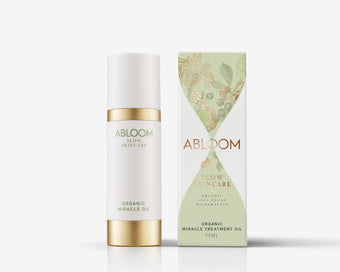
Sensitive Skin Regimen Box. A routine in mini sizes for about 10 to 14 days, with products from our range for sensitive skin, including Day Cream, Night Cream and Miracle Oil. It is put together for skin that easily feels tight or irritated and helps support your skin barrier. That way you can try a routine before you buy full sizes.
How to use them
Morning: Purifying Cleanser or just lukewarm water, then the Soothing Lotion, your day cream and SPF. Evening: Purifying Cleanser, Soothing Lotion, a few drops of the Supreme Skin Elixir and your night care. Not sure which products suit your skin? Take our free skincare test.
When should you see a doctor?
Does the stinging, redness, itching or flaking last for weeks despite a mild routine, or does it get worse? Or do you think there may be a skin condition behind it? Then ask your GP or a dermatologist for advice. Skincare can support your skin, but it does not replace a diagnosis.
Read more
- Dehydrated skin: how to recognise it and care for it
- Is sebum good or bad for your skin?
- In what order do I use my skincare products?
- What is an enzyme peel, and how is it different from a scrub?
Love,
Barbara Baars
Skin Specialist
Frequently asked questions
How do I know if my skin barrier is under pressure?
Can I restore my skin barrier?
Which ingredients support the skin barrier?
Should I stop exfoliating?
About the author
More about Barbara BaarsFor sensitive skin
Products for your skin



Not sure what your skin needs?
Take the free skin test and find the routine that suits your skin.