Dehydrated skin: how to recognise it and care for it
Skin that feels tight after cleansing but still gets shiny later in the day is often short of moisture. Skin specialist Barbara Baars explains the difference between dry and dehydrated skin, how to recognise it and how to care for it.
 By Barbara Baars
5 min read
In this article
- Dehydrated or dry skin: what is the difference?
- How do you recognise dehydrated skin?
- Why does skin lose moisture?
- What helps: building up moisture in layers
- Dehydrated and oily at the same time
- Who is this approach for?
- Which Abloom products suit dehydrated skin?
- How to use them
- When should you see a doctor?
- Read more

In short: dehydrated skin is short of water, not of oil. It feels tight after cleansing, looks dull and shows fine lines that fade once you apply a cream. Any skin type can be dehydrated, oily skin too. What helps is cleansing mildly and building up moisture in thin layers: a toner, a hydrating serum and a cream or light lotion that helps keep that moisture in.
"My skin is oily, yet it feels tight." I hear this often in the chat on our website. It sounds like a contradiction, but it usually points to one thing: your skin is short of moisture. In this article I explain how dehydrated skin differs from dry skin, how to recognise it and what you can do about it.
Dehydrated or dry skin: what is the difference?
Dry skin is a skin type. It makes little sebum, the skin's own oil, so it misses the fats that keep it soft and supple. You can read more about it on our page about dry skin.
Dehydrated skin is a condition. It is short of water, not of oil, and that can happen to every skin type, including oily and combination skin. Dry air from the heating, cold wind, long hot showers and a cleanser that is too harsh all play a part. The good news: a condition can change. With mild care your skin can feel comfortable again.
How do you recognise dehydrated skin?
- Your skin feels tight after cleansing, even if it gets shiny later in the day.
- Fine lines show more, for example on your forehead and around your eyes, and they are less visible once you apply a cream.
- Your skin looks dull and tired.
- Makeup sits less well and settles into small lines.
- Your skin reacts faster than usual to new products or to the weather.
A simple check: gently push the skin on your cheek together with two fingers. Do you see many fine lines that take a moment to disappear? Then your skin is probably short of moisture.
Why does skin lose moisture?
All day long, your skin gives off a little water to the air around it. The outer layer of your skin, the skin barrier, slows that down. When the air is dry, in winter or in a heated room, your skin loses water faster. A cleanser that strips too much, scrubbing too often and very hot water make it harder for your skin to hold on to its moisture. In our article about the skin barrier I explain how you can support that outer layer.
What helps: building up moisture in layers
Dehydrated skin does not need a heavier cream in the first place. It needs water, and something that helps it keep that water. That is why I like to work in thin layers:
- Cleanse mildly. Choose a cleanser that does not leave your skin feeling tight, and use lukewarm water instead of hot.
- Toner. A hydrating toner on clean skin gives a first boost of moisture and helps take away the tight feeling after cleansing.
- Serum. A serum with hyaluronic acid, tremella and glycerin holds moisture in the upper layers of your skin.
- Cream or lotion. Finish with a product that helps keep that moisture in. For dry skin that is a cream; for oily skin a light lotion is often enough.
Hyaluronic acid can bind a lot of water; you can read more on our page about hyaluronic acid. Tremella is a mushroom extract that also helps your skin hold on to moisture, and ectoin helps protect your skin from dryness caused by the weather. Ceramides are fats that occur naturally in your skin barrier and help keep moisture in.
Dehydrated and oily at the same time
Oily skin that is short of moisture is very common. Many people with oily skin use strong, drying products to get rid of the shine. The skin then feels tight and dull, while the shine stays. So do not skip moisture when your skin is oily. Choose light textures instead, such as a lotion rather than a rich cream. Our page about oily skin tells you more.
Who is this approach for?
For anyone whose skin feels tight, looks dull or suddenly shows more fine lines, whatever your skin type. It is especially useful in autumn and winter, when the air indoors and outdoors is drier. Do you also have dry skin? Then add a cream with plant oils and butters to your routine.
Which Abloom products suit dehydrated skin?
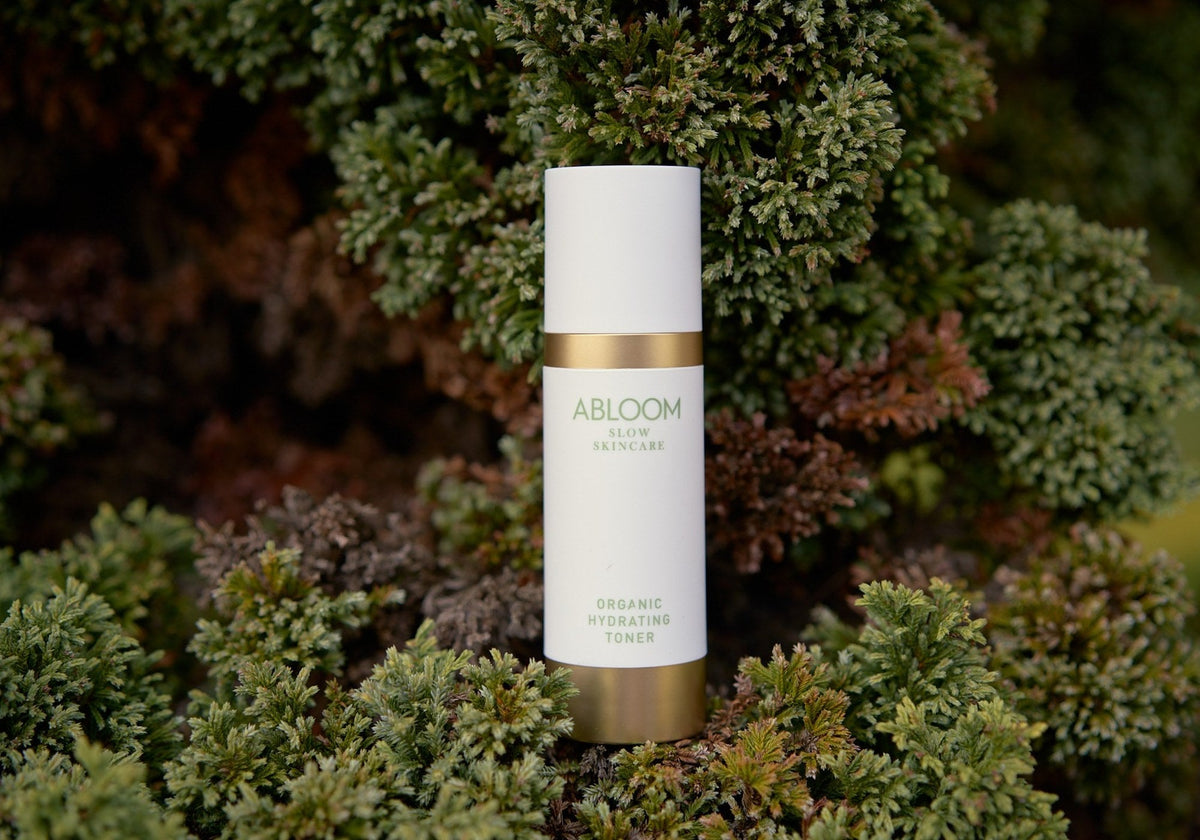
Organic Hydrating Toner. Organic aloe vera juice is the first ingredient, together with glycerin, ectoin and tremella. It helps reduce the tight feeling after cleansing and gives your skin a moisture boost.
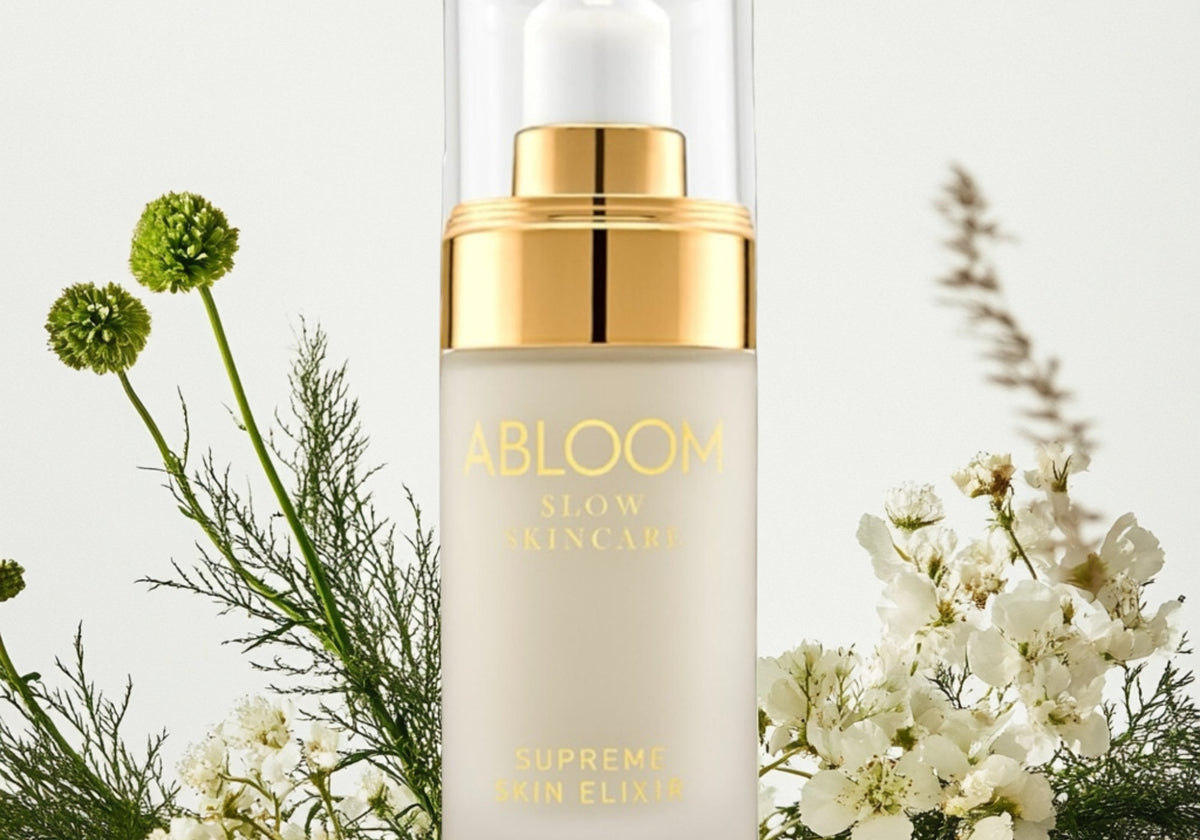
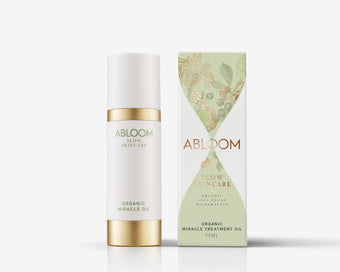
Organic Supreme Skin Elixir. Made with aloe vera instead of water, with hyaluronic acid (Sodium Hyaluronate), glycerin, tremella and ceramide NP. It gives dry skin lasting hydration without feeling heavy and helps stop moisture from escaping too quickly. Suitable for every skin type.
Organic Soothing Lotion. For oily or combination skin that is short of moisture. Made with aloe vera instead of water, with glycerin and panthenol. It gives moisture without feeling rich or greasy and helps reduce shine.
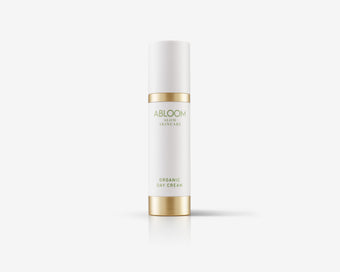
Organic Day Cream. For skin that is dry and dehydrated at the same time. Made with aloe vera instead of water, with shea butter and jojoba oil. It keeps dry skin moisturised for hours and helps protect it from wind and dry air.
How to use them
Dry and dehydrated skin. Morning and evening: cleanser, then the Hydrating Toner. Once a day, in the morning or in the evening, apply a few drops of the Supreme Skin Elixir to your face and neck. In the morning finish with the Day Cream and SPF, in the evening with your night care.
Oily and dehydrated skin. Morning and evening: cleanser, then the Soothing Lotion. Does your skin still feel tight? Add a few drops of the Supreme Skin Elixir once a day. Apply SPF in the morning.
Give your skin a few weeks with a new routine before you judge it. Not sure which routine suits you? Our free skincare test helps you choose.
When should you see a doctor?
Dehydrated skin is common and usually feels better with milder care. Does your skin stay tight, rough or red despite a gentle routine, does it itch, flake or crack? Then ask your GP or a dermatologist to take a look.
Read more
- What does a toner do, and do you need one?
- Dry, oily or combination skin? Here is how it really works
- Hyaluronic acid, ceramides and tremella in winter
- Your skin barrier: what it is and how to support it
Love,
Barbara Baars
Skin Specialist
Frequently asked questions
Can oily skin be dehydrated?
What is the difference between dry and dehydrated skin?
Which ingredients help dehydrated skin?
Do I need a heavier cream for dehydrated skin?
About the author
More about Barbara BaarsFor dry skin
Products for your skin


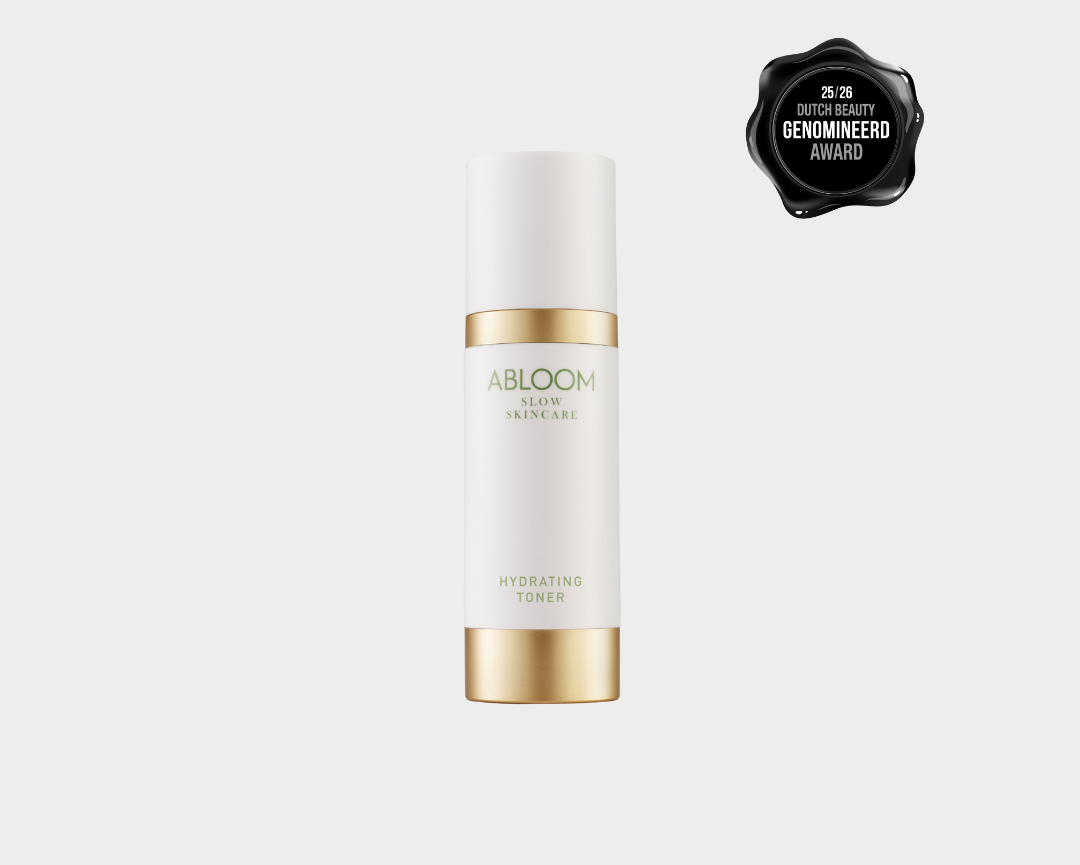
Gives thirsty skin a moisture boost and takes the tightness away.


Not sure what your skin needs?
Take the free skin test and find the routine that suits your skin.