What are parabens? How to recognise them on the label
What are parabens, why are they used and what does EU law allow? Skin specialist Barbara Baars explains it calmly, shows how to spot them in an ingredient list and what Abloom uses to keep its products fresh.
 By Barbara Baars
5 min read
In this article
Short answer: parabens are preservatives that keep cosmetics free of bacteria and mould. In the EU, five parabens have been banned since 2014, and four are still allowed with strict maximum amounts. You recognise them by the ending "-paraben" in the ingredient list, such as methylparaben or propylparaben. Abloom does not use parabens: our products are kept fresh in other ways, for example with organic alcohol, or they contain no water at all.
From this article
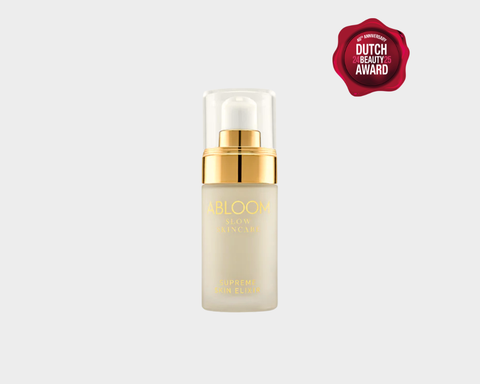
An award-winning serum that deeply hydrates and leaves skin smoother, fuller and stronger.
"Are there parabens in this?" is one of the questions I am asked most often in our chat, often with a worried undertone. I understand that, because a lot is written about parabens and not all of it is correct. In this guide I explain what parabens are, what the rules say and how you can check a label yourself.
What are parabens?
Parabens are a group of preservatives. Chemically they are esters of para-hydroxybenzoic acid. They have been used for decades in cosmetics, medicines and food, because even small amounts work against a broad range of bacteria and moulds.
Why does a cream need a preservative?
Wherever there is water, bacteria and moulds can grow. A cream or lotion with water or another watery ingredient, such as aloe vera juice, is opened every day and touched with your fingers. Without some form of preservation it could spoil quickly, sometimes without you seeing or smelling it. A preservative keeps the product safe for months after opening.
Products without water, such as a pure face oil, work differently. Oil can go rancid, but bacteria and moulds need moisture to grow. That is why oils often contain an antioxidant such as vitamin E instead of a preservative.
What does EU law say about parabens?
In Europe, cosmetics fall under the Cosmetics Regulation. Parabens are not banned across the board: the rules differ per paraben.
- Banned since 2014: isopropylparaben, isobutylparaben, phenylparaben, benzylparaben and pentylparaben. The European Commission banned these five because there was not enough data to show that they are safe (Regulation (EU) No 358/2014).
- Allowed with a limit: methylparaben and ethylparaben, up to 0.4% each in a product.
- Allowed with a stricter limit: propylparaben and butylparaben, together up to 0.14%. They may not be used in leave-on products for the nappy area of children under three (Regulation (EU) No 1004/2014).
- In total: all parabens in one product together may not exceed 0.8%.
Are parabens harmful?
According to the Dutch government and the RIVM, the Dutch public health institute, one product with one of the permitted parabens poses no health risk. The amounts are small and below the level at which an effect is expected. Using several products with the same paraben is also considered safe for methylparaben, ethylparaben and propylparaben.
There are still open questions. The RIVM notes that butylparaben is a known endocrine disruptor, and that it is not yet clear what happens when you use several products with different parabens at the same time. According to the Dutch government's information site Waarzitwatin, parabens are not carcinogenic and reliable research has found no link with breast cancer. Some people, especially with damaged skin, can react to parabens with irritation or itching.
My view: one product with parabens is no reason to worry. If you would rather keep your exposure low, for example for young children, reading the label helps. That is a personal choice, not a necessity.
How do you recognise parabens in an INCI list?
On the pack, parabens are listed under their INCI name. Look for:
- Names ending in -paraben: methylparaben, ethylparaben, propylparaben and butylparaben.
- Their salts, such as sodium methylparaben or sodium propylparaben.
- On products from outside the EU you may also find parabens that are banned here, such as isobutylparaben or benzylparaben.
Parabens are usually near the end of the list, because only small amounts are used. Ingredients are listed in order of quantity: what comes first, there is most of. How to read a full list is explained in why the INCI list is only the beginning of conscious skincare.
Good to know: "paraben-free" does not mean "without preservative". A product with water always needs some form of preservation. So look at what has been used instead.
What does Abloom use instead of parabens?
None of our products contains parabens. We choose to keep our formulas close to plants, so we keep them fresh in other ways. This is what is on our ingredient lists:
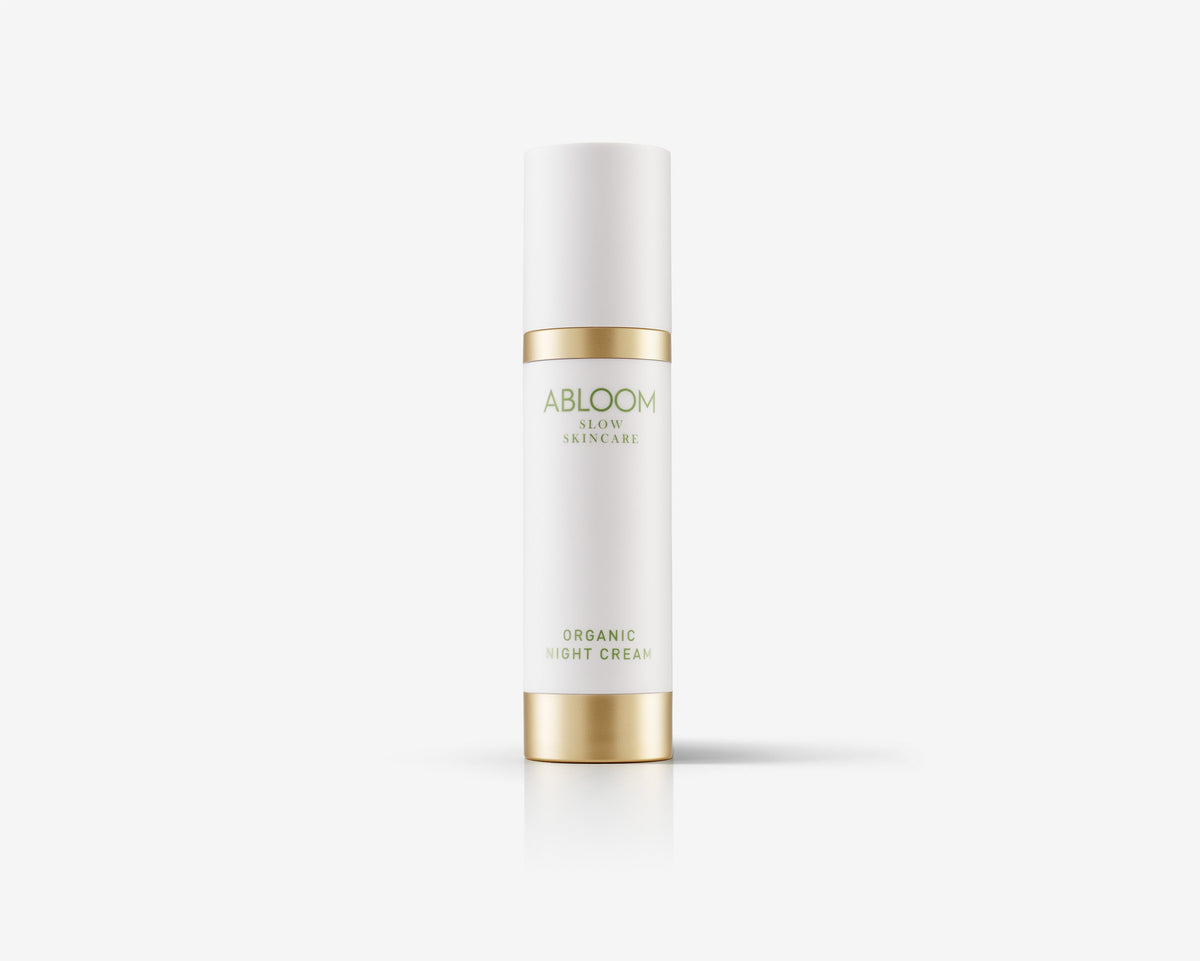
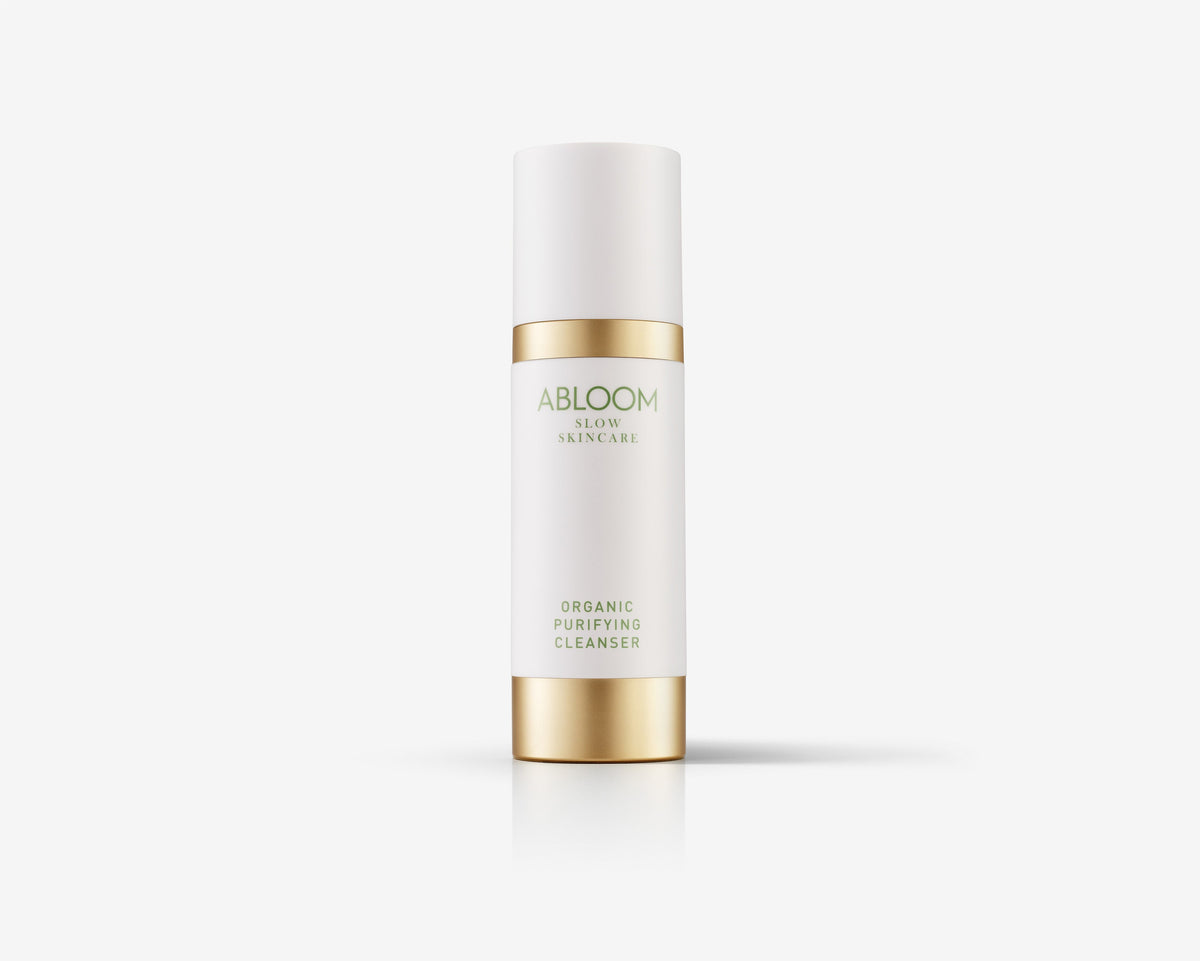
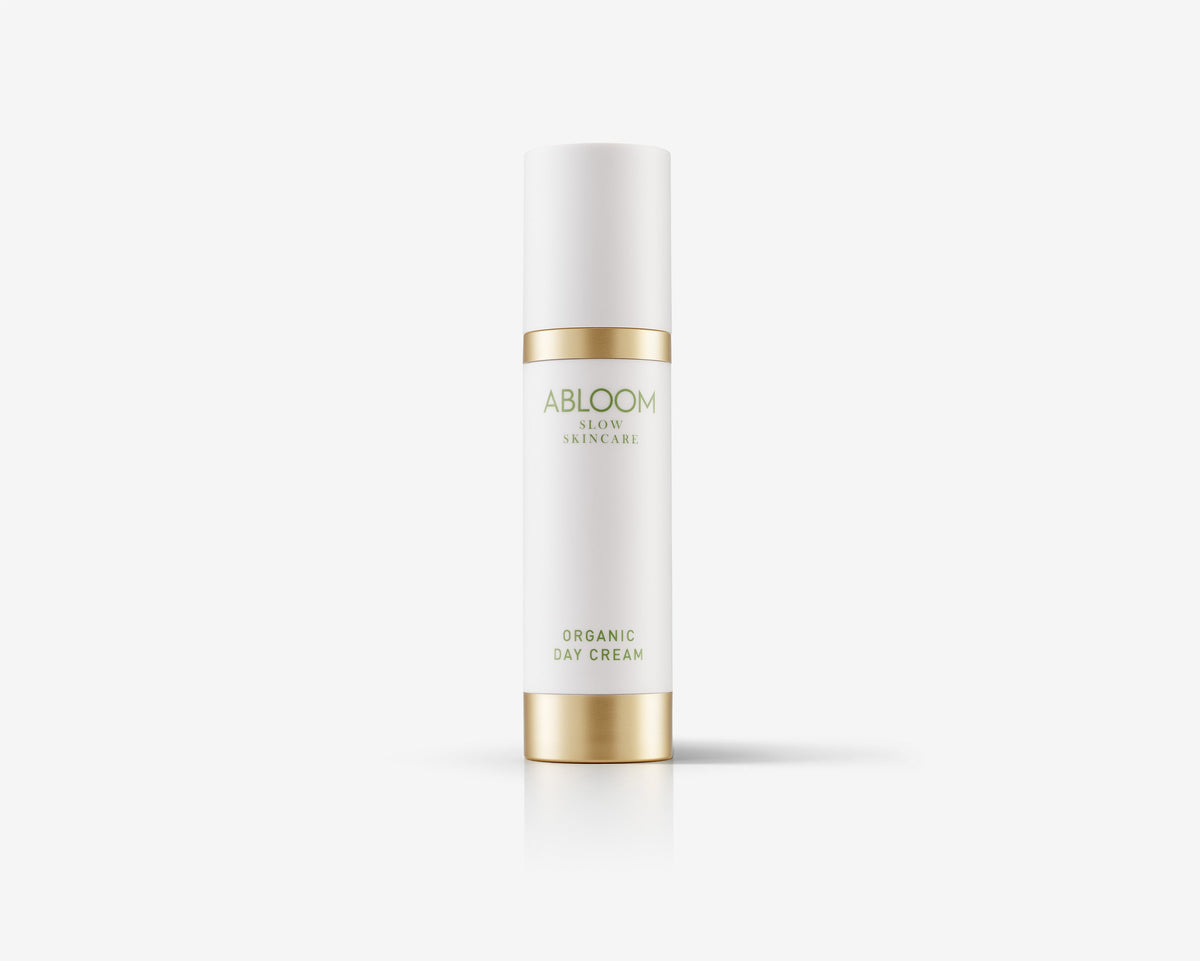
- Organic alcohol. In our Day Cream, Night Cream and Eye Cream, organic alcohol is at place 4 on the list, in the Soothing Lotion at place 2 and in the Purifying Cleanser at place 16. Besides drawing compounds out of plants, it helps keep the products fresh. More about this in alcohol in skincare.
- Sodium levulinate, sodium anisate and sodium benzoate. These preservatives are in our Hydrating Toner and Supreme Skin Elixir, together with pentylene glycol and organic alcohol.
- Potassium sorbate. In our Luminous SPF 20+ Cream, potassium sorbate is the last ingredient (place 28), with phenethyl alcohol at place 14.
- No water. Our Miracle Oil and Make Up Remover are pure plant oil, without water or aloe vera, and have no preservative on their list. In the Miracle Oil, vitamin E (tocopherol) is at place 3. Our masks and the Enzyme Peeling are dry powders.
No preservative suits every skin, natural or not. If your skin reacts easily, try a new product on a small area first, for example on your neck. Want to know what else is not in our creams? Read day cream without microplastics and PFAS.
In short
- Parabens are preservatives that protect a product against bacteria and mould.
- In the EU, five parabens are banned. Methyl-, ethyl-, propyl- and butylparaben are allowed with strict limits.
- According to the RIVM, one product with a permitted paraben poses no health risk. Questions remain about butylparaben and about combinations.
- You recognise parabens by the ending "-paraben" in the INCI list.
- Abloom uses no parabens and keeps its products fresh with organic alcohol, mild preservatives or by leaving out water.
Read also
- Hormonal disruptors in skincare: what you need to know
- Why the INCI list is only the beginning of conscious skincare
- Day cream without microplastics and PFAS: how to read the label
- Sulfates in your face cleanser: what are SLS and SLES?
- Ingredients A to Z
Not sure what your skin needs? Take our free skincare test, or ask our skin specialist through the chat on our website.
Love,
Barbara Baars
Skin Specialist
Sources
- European Union: Commission Regulation (EU) No 358/2014 (ban on five parabens)
- European Union: Commission Regulation (EU) No 1004/2014 (limits for parabens)
- Dutch government, Waarzitwatin: Parabens (in Dutch)
- RIVM (Dutch National Institute for Public Health and the Environment): Using multiple products with the same paraben is safe, but questions remain about butylparaben (2023)
Consulted on 23 November 2026.
Frequently asked questions
Are parabens bad for your skin?
Which parabens are banned in the EU?
Do Abloom products contain parabens?
About the author
More about Barbara BaarsNot sure what your skin needs?
Take the free skin test and find the routine that suits your skin.