What is an enzyme peel, and how is it different from a scrub?
Dull skin, rough patches, makeup that won't sit well: time to exfoliate. But should you choose a scrub or an enzyme peel? Skin specialist Barbara Baars explains the difference and how to use an enzyme peel.
 By Barbara Baars
3 min read

In this article

After a busy month, many people find their skin looks a bit dull. It feels rougher, makeup doesn't sit as well and your cream seems to absorb less easily. Often that is because dead skin cells build up on the surface. Exfoliating helps, but how? With a scrub or with an enzyme peel? In this blog I explain the difference and how to use an enzyme peel.
Why exfoliate at all?
Your skin renews itself all the time. New cells form at the bottom, and at the top old cells come loose. Sometimes those dead cells don't come away easily and they stay on the surface. Your skin can then look dull and feel rough. Exfoliating helps remove those cells, so your skin feels smoother again and your care products can do their work better.
What does a scrub do?
A scrub works mechanically. It contains small grains, and by rubbing them over your skin you remove dead skin cells. That can feel fresh, but it depends a lot on how hard you rub. Coarse grains or too much pressure can irritate your skin, especially if it is dry or sensitive.
What does an enzyme peel do?
An enzyme peel works differently. Enzymes are proteins that can break down other substances. In an enzyme peel they help loosen the bond between dead skin cells, so those cells can be rinsed away. That way you don't need to rub hard. Well-known enzymes come from fruit, such as papain from papaya and bromelain from pineapple.
Enzyme peel or scrub: the differences at a glance
- How it works. A scrub removes dead skin cells by rubbing. An enzyme peel loosens them with enzymes.
- Pressure. With a scrub, the result depends on how hard you rub. With an enzyme peel, you only massage gently for a moment before rinsing.
- Skin type. An enzyme peel is often a better fit for dry or sensitive skin, because there is no need to scrub hard.
How to use an enzyme peel
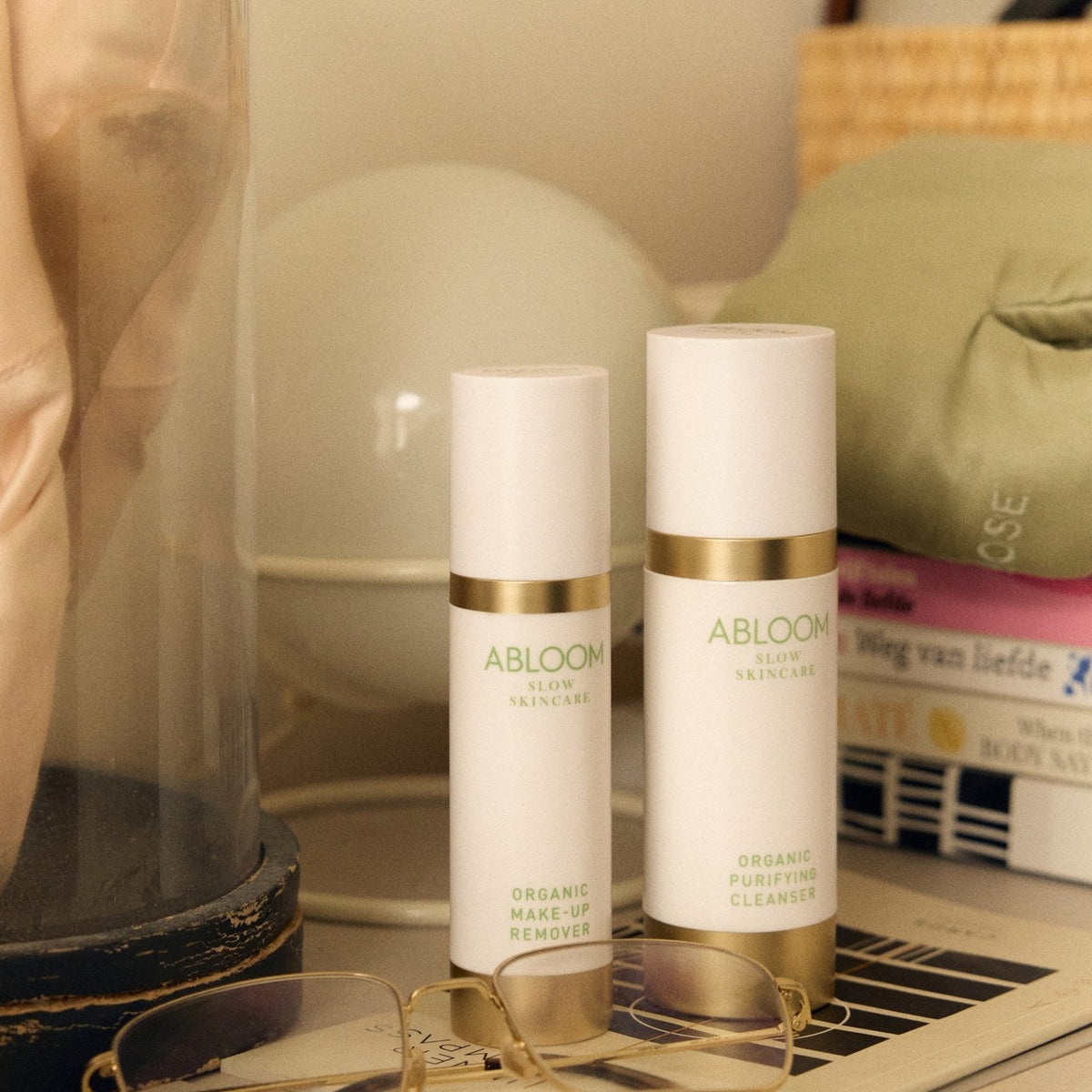
- Cleanse your skin thoroughly first, for example with our Organic Purifying Cleanser.
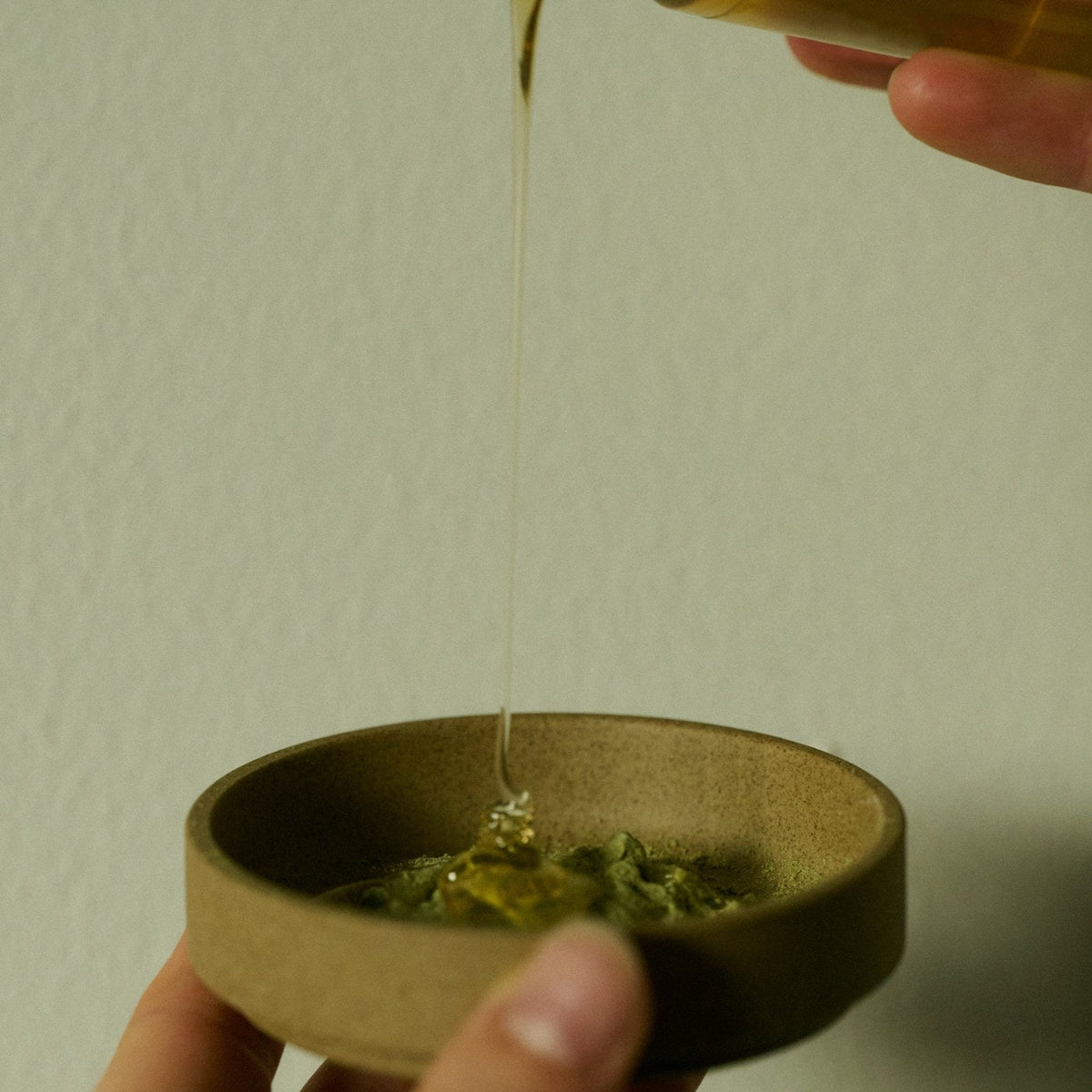
- Mix 1 tablespoon of powder with 1 tablespoon of water, organic honey or vegan yoghurt into a smooth paste.
- Apply the paste to your clean face.
- Leave it on for 5 to 10 minutes. Is your skin sensitive? Then keep it to 5 to 7 minutes.
- Massage gently for a moment and rinse with lukewarm water.
- Continue with your toner and cream.
Use the peel once a week. More is not better: your skin needs time to recover between treatments. In my blog on natural retinol and exfoliation you can read more about how often to exfoliate.
What is in our Organic Enzyme Peeling
Our Organic Enzyme Peeling is a powder that you mix fresh each time. It contains no water. The enzymes include papain from papaya, bromelain from pineapple, protease and aminopeptidase. Together they loosen dead skin cells.
Other ingredients:
- Colloidal oatmeal, the first ingredient on the list. It gently softens dull skin cells and helps calm sensitive skin.
- Powders and extracts of strawberry, raspberry, blackberry, blueberry and acerola, which give the skin vitamins.
- Finely ground cherry shell (Prunus Avium Shell Powder) and raspberry seed powder. These are not coarse scrub grains, but they do give a light polishing effect when you massage the paste gently before rinsing. So our peeling works mainly with enzymes, helped by these fine powders.
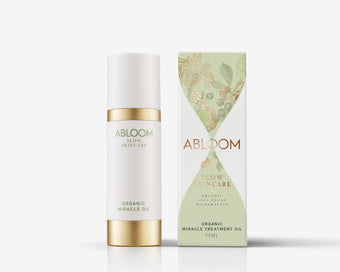
Want a little extra nourishment? Add a few drops of our Organic Miracle Oil to the paste. You can find our other masks in the collection masks.
In short
- Exfoliating removes dead skin cells, so your skin feels smoother.
- A scrub works by rubbing; an enzyme peel loosens dead cells with enzymes.
- An enzyme peel is a good choice if you would rather not scrub hard. Our Enzyme Peeling combines enzymes with fine fruit powders.
- Leave the peel on for 5 to 10 minutes, or 5 to 7 minutes for sensitive skin.
- Use it once a week.
Not sure what your skin needs? Our skin specialist gives free skin and product advice through the chat on our website.
Love,
Barbara Baars
Skin Specialist
Frequently asked questions
What is the difference between an enzyme peel and a scrub?
How often should I use an enzyme peel?
How long do I leave the Enzyme Peeling on?
What do I mix the Enzyme Peeling with?
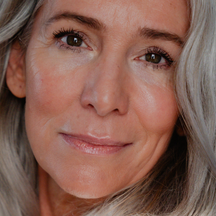
About the author
More about Barbara BaarsNot sure what your skin needs?
Take the free skin test and find the routine that suits your skin.