What does a toner do, and do you need one?
What does a toner actually do, and do you really need one? Skin specialist Barbara Baars explains what a toner is for and how to apply it, step by step.
 By Barbara Baars
4 min read
In this article

Now that the heating is back on, I hear it a lot: my skin feels tight after cleansing, what can I do about it? The next question usually follows right away: do I need a toner, and what does a toner actually do? There is a lot of confusion around this product. In this blog I explain what a toner does, who it suits and how to use it.
What does a toner do?
A toner is the thin, light step between cleansing and caring for your skin. It used to be mainly a way to remove the last traces of cleanser and leave your skin feeling squeaky clean, and many people still picture it that way. These days a good toner is mostly about moisture and calm.
This is what a toner does for your skin:
- It gives moisture. Your skin gets a first, light layer of moisture, before your serum or cream.
- It eases that tight feeling. Skin can feel tight after cleansing, and a toner helps to reduce that.
- It prepares your skin. Whatever you apply next can do its job better on skin that has already had some moisture.
Do you really need a toner?
Honestly, you can do without one. Cleansing and a good cream are the basics, and you don't need a cupboard full of products. But if your skin feels tight or dry after cleansing, a toner is a step I would not skip, especially now that the air is getting colder outside and drier indoors. Why your skin feels drier at this time of year is explained in our blog about your skin in autumn.
A toner is especially nice if:
- your skin feels tight or dry after cleansing;
- your skin is sensitive and could use some calm;
- you have oily or combination skin and want moisture without a heavy layer.
Does your skin always feel comfortable and supple? Then a toner is not a must. Do you have dry skin? Our guide to dry skin shows you how to build a routine, step by step.
Toner, serum or cream: what is the difference?
These three often get mixed up, but each has its own place in your routine.
- A toner is thin and light and comes straight after cleansing. It gives a first layer of moisture.
- A serum is more concentrated, and you use it for whatever your skin needs extra.
- A cream is richer and gives your skin moisture and nourishment.
So the order goes from light to rich. You will find our toner in the serums collection, together with the other products you can use straight after cleansing.
When and how to use a toner
You use a toner morning and evening, always after cleansing and before your serum, cream or oil. This is how it goes:
- Cleanse. For example with our Organic Purifying Cleanser: gently massage a small amount with a little water into your face, staying away from your eyes, then rinse with lukewarm water and pat your skin dry.
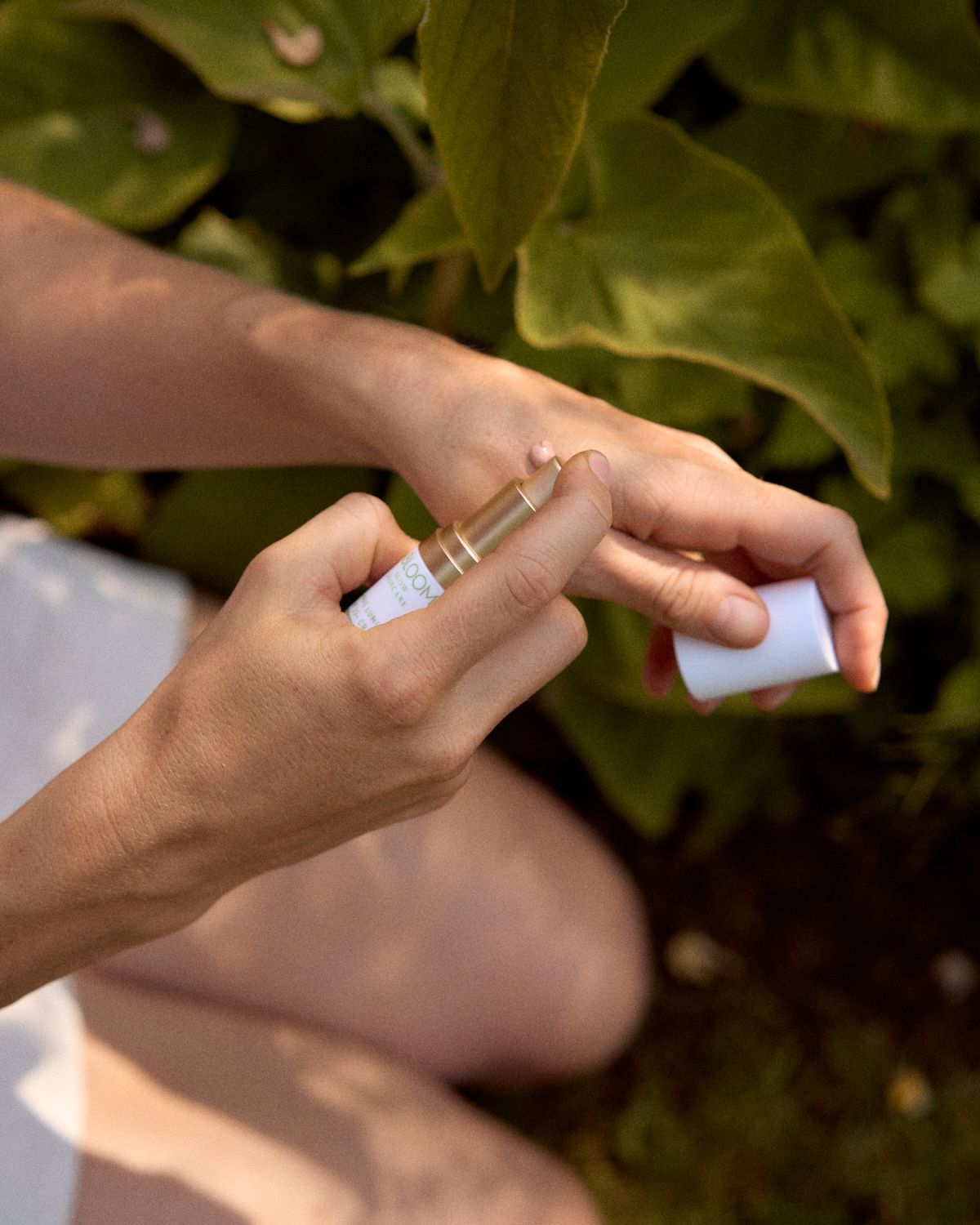
- Toner. Put 2 to 3 pumps into the palms of your hands.
- Massage the toner into your face and neck. Prefer a cotton pad? That works too.
- Serum, if you use one.
- Cream or oil.
There is no need to rinse: the toner stays on your skin and absorbs by itself. I like to use my hands and take a moment for it. That moment with your hands on your face is part of slow skincare for me.
Want to know exactly what comes when? Read our blog on the right order for your skincare. In the evening, night cream is your final step. I explain why in my blog night cream: why your skin needs it and how to use it.
Common mistakes with toner
- Using it instead of your cleanser. A toner does not replace your cleanser. It is meant for skin that is already clean.
- Rinsing it off. There is no need. Just let it absorb.
- Using too much. 2 to 3 pumps go a long way.
- Using it only when your skin already feels tight. Your skin benefits most from a fixed routine, morning and evening.
What is in our toner
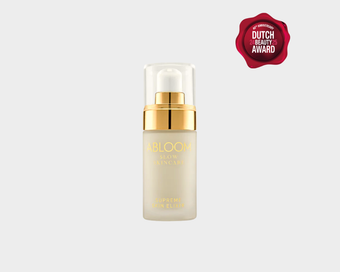
Our organic hydrating toner gives your skin moisture and leaves it feeling soft and fresh, not wet or sticky. Aloe vera juice is the very first ingredient on the list.
Some of the ingredients you will find in it:
- Aloe vera, for moisture and to soothe the skin.
- Glycerin, which helps draw moisture to the skin.
- Tremella, a natural humectant that keeps the skin supple.
- Ectoin, which helps protect the skin against outside influences.
- Chamomile and marshmallow root, gentle botanicals that calm the skin.
- Sea buckthorn, pomegranate and raspberry seed oil, with fatty acids and antioxidants.
The toner is an easy daily step for dry, normal, combination or oily skin, and it helps sensitive skin to settle. Is your skin very sensitive? Then always test a new product on a small area of skin first.
In short
- A toner is the light step between cleansing and care, and gives your skin a first layer of moisture.
- It helps to reduce the tight feeling after cleansing and prepares your skin for the next steps.
- You can do without one, but with dry, sensitive or tight skin I would not skip it.
- Use it morning and evening, after cleansing and before serum, cream or oil.
- Use 2 to 3 pumps and do not rinse it off.
Not sure what your skin needs? Our skin specialist gives free skin and product advice through the chat on our website.
Love,
Barbara Baars
Skin Specialist
Frequently asked questions
Do I need a toner if I already use a cream?
When do I use a toner?
Do I have to rinse off toner?
Is a toner suitable for oily skin?

About the author
More about Barbara BaarsNot sure what your skin needs?
Take the free skin test and find the routine that suits your skin.