 by Barbara Baars
Dry, Oily, or Combination Skin? Here Is How It Really Works
 Most skincare brands work from the idea that you have a fixed skin type that you can barely change. That is not true. Apart from a number of skin conditions, we are not born with dry, oily or combination skin. We are born with normal skin.
In practice, I often see clients who are convinced that they simply have a certain skin type. What they do not realise is how much influence they have themselves. In this blog I explain how dry, oily, and combination skin develops and what you can do to get your skin working the way it should. And yes, you will also read how to bring back the balance, because that really is possible.
How skin problems start
Many skin complaints already begin in puberty. Young people start experimenting with make-up, often far too early. TikTok is full of make-up tutorials by girls aged eight or nine. That make-up has to come off again too, usually with aggressive, degreasing cleansers that dry the skin out and make it more sensitive.
A lot of cleansing products contain SLS, a strongly foaming and drying ingredient. The skin barrier gets damaged, blackheads and pimples appear, and then people cleanse even more often. That way the skin only gets drier.
Dry skin in adults
In adults, dry skin often develops because people simply do not moisturise enough. Some women use only a day cream in the morning and think they are set for the rest of the day. I would end up looking like a dried-out apple. As we get older, the skin holds on to moisture less and less well. With the right care, you can help the skin hydrate from the outside and keep moisture on the surface.
Prevent dry skin
Dry skin does not just make you look older; it is also unhealthy. A healthy skin barrier is well hydrated and contains the right amount of sebum. When the skin is dry, the surface does not function properly, which lets harmful substances and pathogens get in more easily, with all the consequences that brings.
How oily skin develops
Oily skin also often starts at a young age. Hormones can become unbalanced and affect the skin. Hormones do have a purpose, among other things, to help you grow into an adult. One of those hormones is IGF-1 (Insulin-like Growth Factor 1). It stimulates growth and, therefore, the production of sebum as well.
If you consume a lot of animal dairy, you take in extra growth factors along with it. After all, milk is meant to help a small calf grow into an adult cow.
Skin that is too oily can make you really insecure. Even so, you do need your sebum, but in the right amount. Too much sebum clogs the pores, and when your resistance is a little lower, inflammation can develop. Sugar and foods that spike your blood sugar also contribute to blemishes and inflammation. Want to understand the role of your skin oil better? Read more about whether sebum is good or bad for your skin.

Why mineral oil is not a good idea
For both dry and oily skin, I strongly advise against mineral oil. This ingredient seals the skin off completely, which throws the sebum function off balance and makes the skin produce either too much or too little oil. Unfortunately, mineral oil is still found in many cosmetic products.
You often hear that the skin holds moisture better when you seal it off. That is partly true, but in the meantime, nothing can get out either. Sebum, sweat, and waste stay locked in. Many skin problems are actually caused or made worse by it: oily skin, dry skin, enlarged pores, blemishes, and inflammation. Read more here about mineral oil and why your skin can become addicted to it.
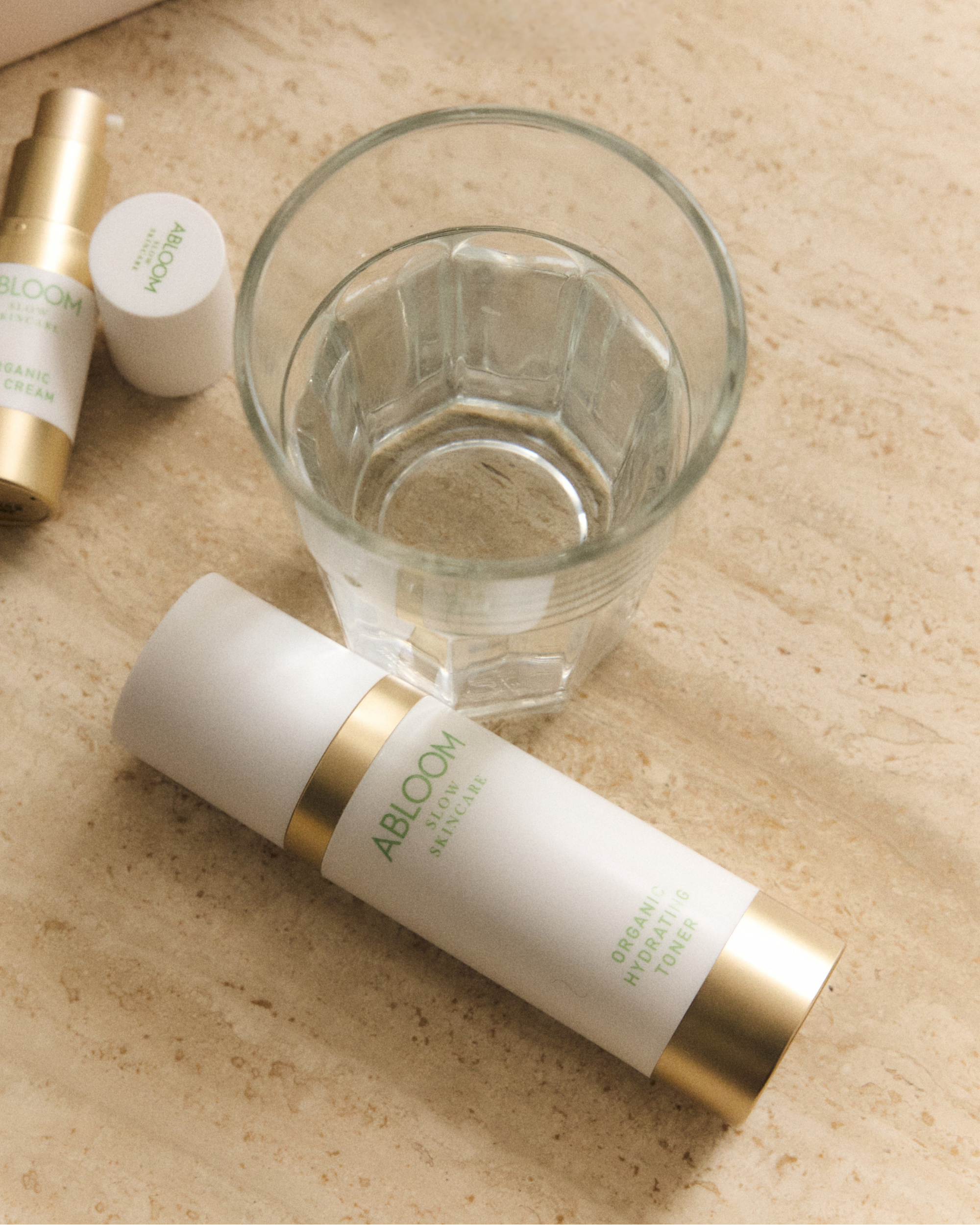
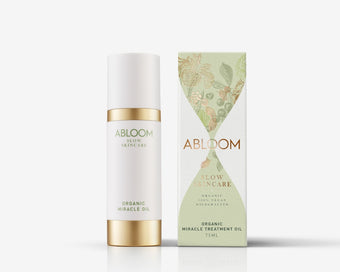
With natural oils and creams, you hold on to moisture just as well, while your skin keeps functioning normally and can release waste. That is a much healthier choice. Our Miracle Oil combined with the Hydrating Toner helps your skin stay hydrated and come back into balance.
Tip 1: cleanse your skin only once a day
During the night all kinds of substances come out of the pores, but you can rinse those away perfectly well with water. Do not forget that water has a cleansing effect of its own. A cleanser will always remove more sebum, your own skin's gold, than water does. In the evening, you do want to cleanse your skin. In that case choose a mild, organic cleanser with only plant-based ingredients, such as our Purifying Cleanser.
Tip 2: use a facial oil
We have become unfairly afraid of facial oils. That is because many people think of mineral oil, which stays sitting on the skin instead of absorbing. Rather choose a natural, organic, and cold-pressed facial oil that does not seal the skin off but nourishes it and helps it hold on to moisture.
On top of that, a natural oil resembles human sebum by about 98%. That is why it can help calm an overactive sebum production. Our Miracle Oil is a lovely example of such an oil.
Read which facial oil suits your skin here.
Tip 3: check your make-up too
Make sure mineral oil is not hiding in your foundation or concealer. Once you avoid this ingredient and your skin can finally breathe again, you do not want to seal it off all over again. Concealer is often used to cover up a pimple, but when you completely seal off an inflammation, you can imagine what happens underneath.
So your skin type is not fixed. With gentle cleansing, natural care, and attention to what you put on and into your body, you can bring your skin back into balance step by step.
Barbara Baars
Skin specialist