Blemish-prone skin: causes and gentle care
Dealing with blackheads, spots or pores that look clogged? Skin specialist Barbara Baars explains where blemishes come from, what you are better off leaving out and what a gentle routine looks like.
 By Barbara Baars
6 min read
In this article

In short: blemish-prone skin has blackheads, spots or pores that look clogged. This usually happens when sebum and dead skin cells block a pore together. Care for this skin calmly: cleanse gently twice a day, do not squeeze or scrub hard, keep giving moisture and use a mask or a mild exfoliation once to a few times a week. If it lasts a long time or hurts, see your GP or a dermatologist.
From this article
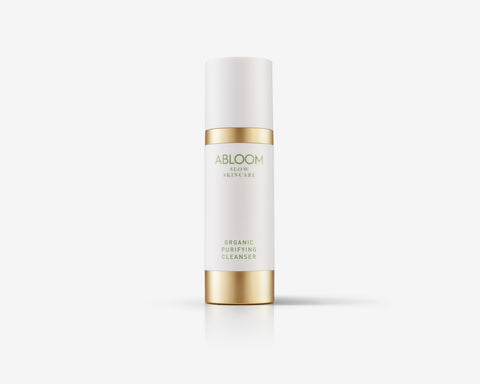
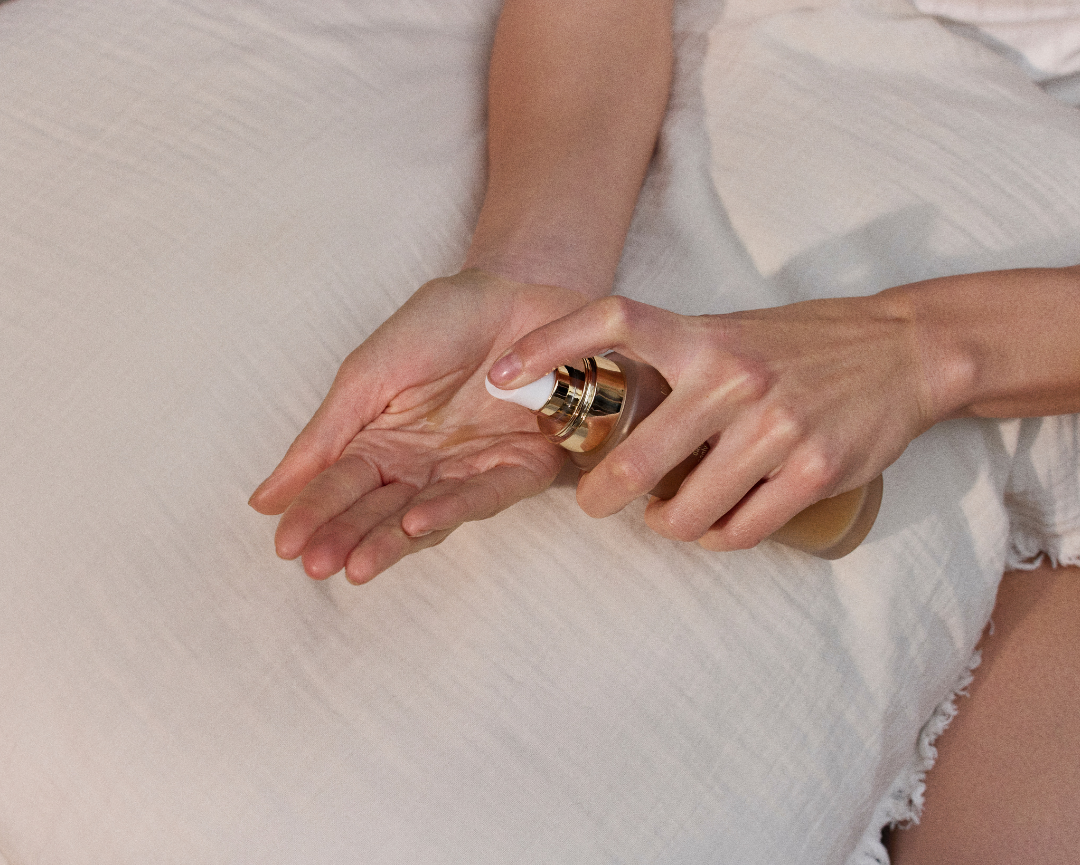
A gentle cleanser that removes daily dirt and excess oil without leaving skin dry or tight.
"I wash my face three times a day and I still keep getting new spots." I hear that a lot. It feels logical to tackle blemishes harder, but that is often exactly what keeps them going. In this article I explain what blemish-prone skin is, where it comes from and how to care for it with a simple routine.
What is blemish-prone skin?
By blemish-prone skin we mean skin with blackheads, whiteheads, small spots or pores that look large and clogged. The skin often shines too, especially on the forehead, nose and chin: the T-zone. Blemish-prone skin can be oily, but also combination or even dry with the odd spot here and there.
Blemishes are not the same as acne. With acne there are many spots at once, often inflamed, sometimes deep and painful, and it lasts a long time. Does that sound familiar? Then also read our page about acne-prone skin.
How do blemishes develop?
Your skin produces sebum, a natural oil that keeps it supple and protects it. At the same time your skin constantly sheds dead skin cells. When sebum and skin cells block a pore together, a blackhead forms. When bacteria that naturally live on your skin get involved, a spot can develop. You can read more about that natural oil in my article Is sebum good or bad for your skin?
Things that play a part:
- Hormones. During puberty, around your period, during pregnancy and in menopause, sebum production often changes.
- Cleansing too harshly. Skin that is degreased over and over can become dry and irritated and still keep shining.
- Heavy products. A thick layer of make-up or a rich cream on oily skin can block pores.
- Touching and squeezing. Your hands bring dirt and bacteria to your face, and squeezing often makes a spot bigger.
- Stress and lack of sleep. Many people notice that their skin becomes more restless during busy periods.
- Pillowcase and phone. Everything that touches your face every day collects sebum and dirt. So change your pillowcase often.
What are you better off leaving out?
- Squeezing and picking. It is tempting, but it increases the chance of a red mark or a scar.
- Cleansing more than twice a day, or cleansing with hot water and soap.
- Scrubbing every day. The grains rub over skin that is already irritated.
- Trying a new product every week. That way you never know what your skin likes and what it does not.
- Skipping moisture because your skin already shines. Oily skin can be short of moisture too.
How do you care for blemish-prone skin?
- Cleanse gently, morning and evening. Use lukewarm water and a cleanser that removes dirt and excess sebum without drying out your skin. Wearing make-up or SPF? Remove it first with an oil in the evening. You can read how that works in my article on cleansing oil for your face.
- Give moisture. A light lotion or toner gives moisture without feeling heavy. Does your skin feel tight after cleansing? Then also read my article on dehydrated skin.
- Finish lightly. Choose light care that suits your skin type. In the daytime, finish with SPF.
- Something extra once to a few times a week. A mask or a mild exfoliation helps loosen dirt and dead skin cells. Choose one of the two at a time and build up slowly. In my article on enzyme peels I explain how they differ from a scrub.
Give a new routine a few weeks before you judge it. Your skin needs time to adjust, and only then do you really see how it responds.
Who is this for?
For anyone with blackheads, the occasional spot or pores that look clogged. Is your skin mainly shiny with few spots? Then you will find more tips on our page about caring for oily skin. Are your pores what you notice most? Then read Enlarged pores: what is your skin really telling you?
Which Abloom products suit blemish-prone skin?
Organic Purifying Cleanser. Made with aloe vera instead of water, with glycerin and coconut, olive and jojoba oil. It removes dirt, excess sebum and face make-up without drying out the skin, and it is suitable for all skin types, including sensitive skin. Use it morning and evening as the first step. Not meant for removing eye make-up.
Organic Green Detox Mask. A powder mask with colloidal oatmeal, sprouts and green superfoods such as chlorella. It helps lift away dirt and excess sebum and makes pores that look clogged look cleaner. After rinsing, your skin feels clean and soft, not dry or tight.
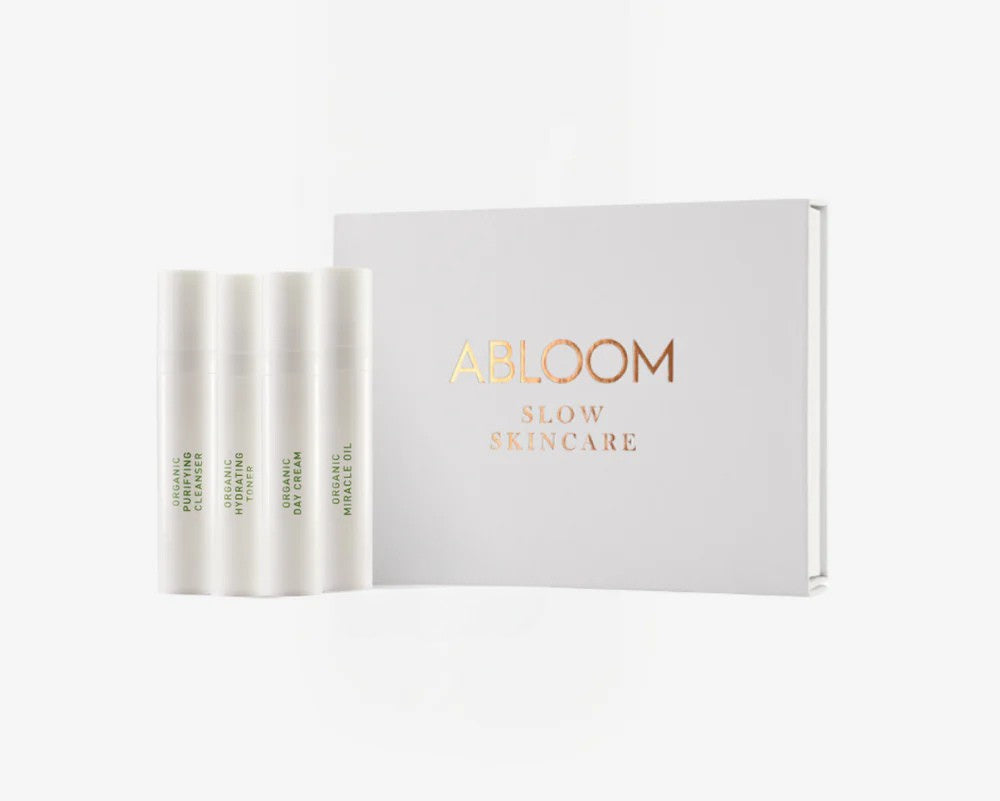
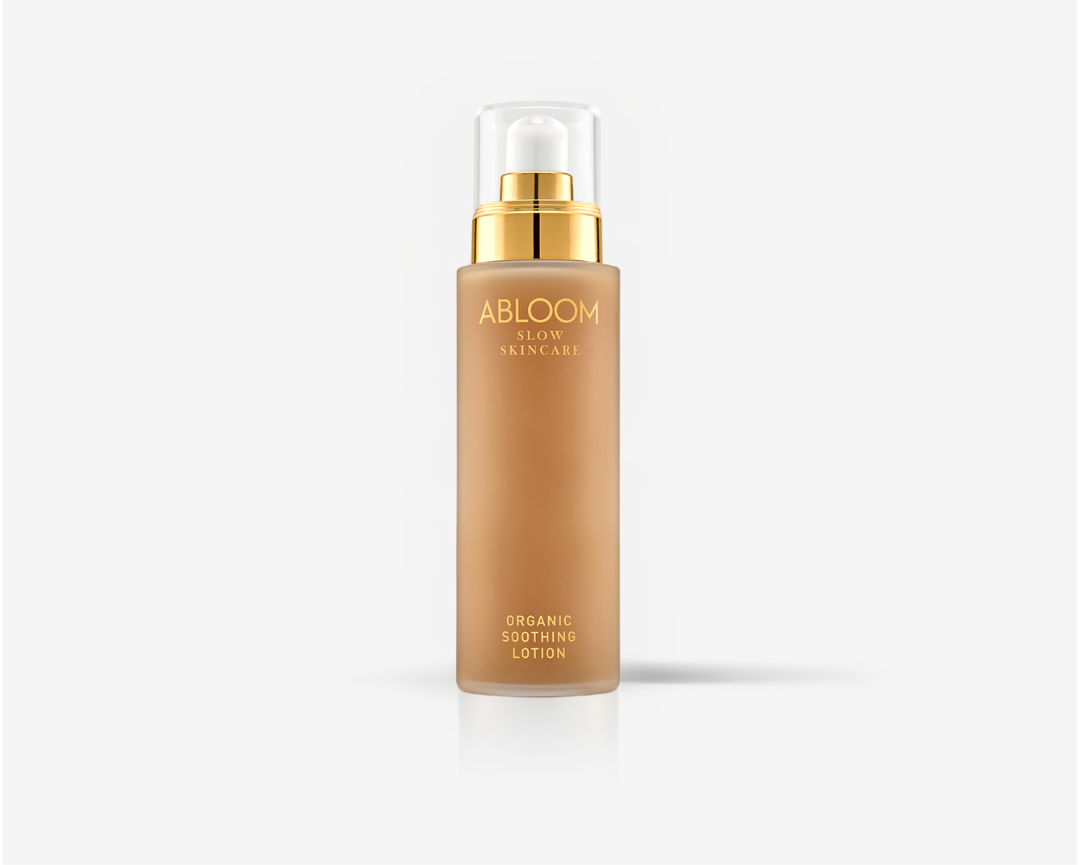
Acne Regimen Box. A routine in mini sizes for about 10 to 14 days, put together for skin with blemishes. With the Purifying Cleanser, Soothing Lotion, Miracle Oil, Enzyme Peeling and Green Detox Mask. That way you can try the whole routine before you buy full sizes.
Oily Skin Regimen Box. Is your skin mainly shiny with few spots? This box in mini sizes, also for 10 to 14 days, contains the Purifying Cleanser, Hydrating Toner, Miracle Oil and Enzyme Peeling.
You can find all these products together in our collection for blemishes and acne.
How to use them
Morning: Purifying Cleanser, then a light lotion or toner, light care and SPF. Evening: remove make-up first, then cleanse with the Purifying Cleanser and finish with light care.
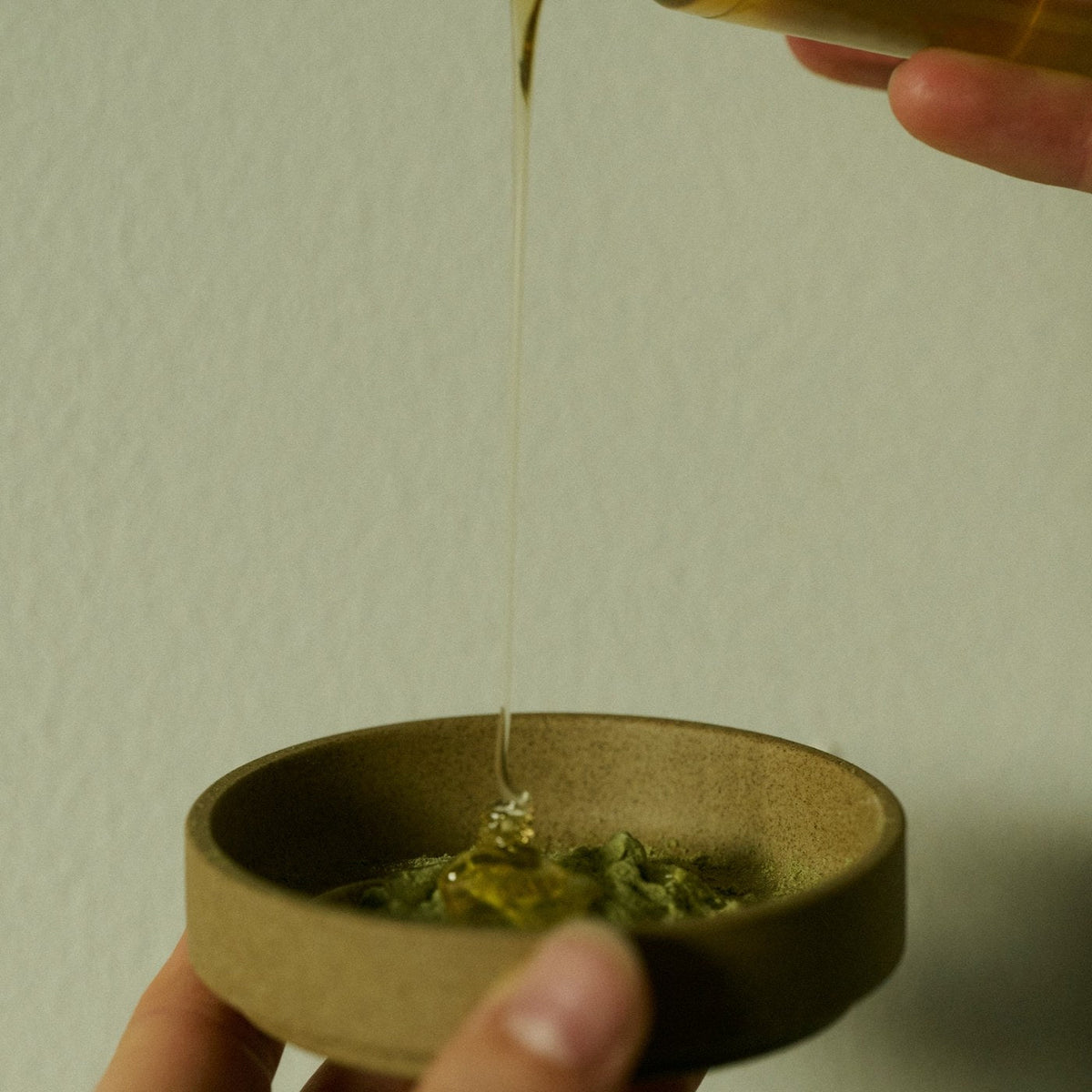
Use the Green Detox Mask after cleansing. Mix a spoonful of powder with honey or plant-based yoghurt into a smooth paste, apply it, leave it on for about fifteen minutes and rinse with lukewarm water. Start once a week; if your skin likes it, you can go up to two to three times a week. Also using the Enzyme Peeling? Use it once a week and on a different day from the mask. Not sure what suits your skin? Take our free skincare test.
When should you see a doctor?
Make an appointment if you have many inflamed spots, if they are deep and painful, if they leave scars or dark marks, or if your skin does not calm down after a few months of gentle care. It is also wise to ask for advice if you suddenly get a lot of spots as an adult, or if your skin really bothers you. Skincare can support your skin, but it does not replace a diagnosis or treatment.
In short
- Blemishes develop when sebum and dead skin cells block pores.
- Cleanse gently, twice a day, and leave out squeezing and daily scrubbing.
- Keep giving moisture, even when your skin shines.
- A mask or mild exfoliation belongs in your weekly rhythm, not in every day.
Read more
- Is sebum good or bad for your skin?
- Enlarged pores: what is your skin really telling you?
- How to mix a powder mask with honey or yoghurt
- Your skin barrier: what it is and how to support it
- How to remove blackheads gently, without squeezing
Love,
Barbara Baars
Skin Specialist
Frequently asked questions
Are blemishes the same as acne?
Should you squeeze spots?
Does blemish-prone skin need moisture too?
How often should you use a mask on blemish-prone skin?
About the author
More about Barbara BaarsFor acne-prone skin
Products for your skin



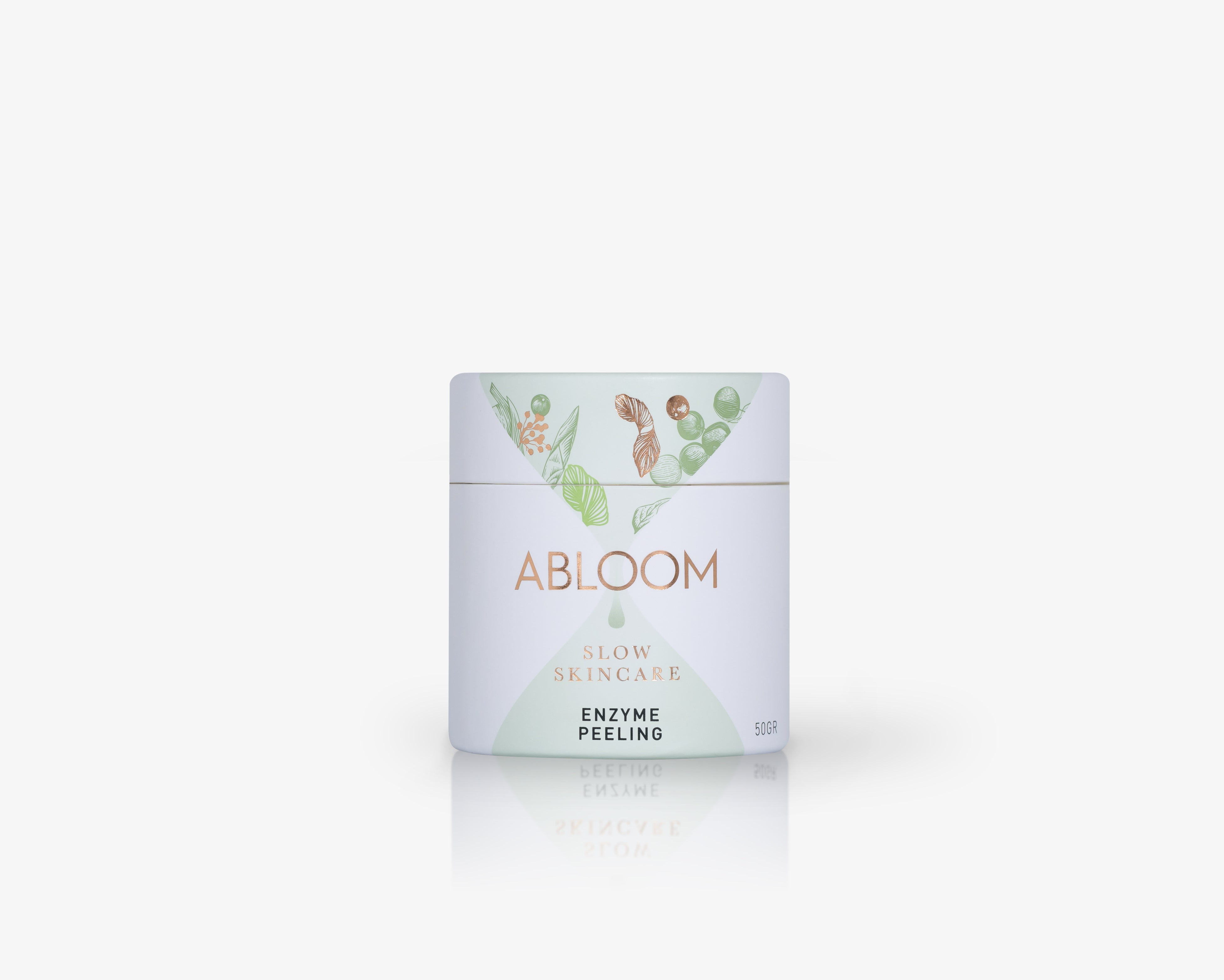

Refines and brightens your skin with natural enzymes.
Not sure what your skin needs?
Take the free skin test and find the routine that suits your skin.