Mineral sunscreen for your face: how it works and how to apply it
A mineral sunscreen protects your face with zinc oxide, a mineral that sits on your skin. Skin specialist Barbara Baars explains how it works, how it differs from a chemical filter, how to apply it and why a tinted formula makes daily use easier.
 By Barbara Baars
5 min read
In this article
- What is a mineral sunscreen?
- How is a mineral filter different from a chemical filter?
- Why a tinted mineral sunscreen?
- How do you apply a mineral sunscreen to your face?
- Do you need sunscreen in autumn and winter?
- How strong is SPF 20+?
- How do you remove mineral sunscreen in the evening?
- Is a tinted mineral sunscreen also for men?
- Which mineral sunscreen suits your skin?
"Which sunscreen should I use on my face?" is a question I hear all year round, not only in summer. I am also asked about mineral sunscreen regularly. In this article I explain what a mineral sunscreen is, how it differs from a chemical filter, how to apply it and why I like a tinted formula for every day.
What is a mineral sunscreen?
A mineral sunscreen protects your skin with a mineral filter. In our Luminous SPF 20+ that filter is zinc oxide, a white mineral powder. It is the second ingredient on the list.
Zinc oxide stays on the surface of your skin. There it helps protect your skin from two kinds of UV rays:
- UVB rays cause sunburn. The SPF number on the pack tells you how much protection a product gives against UVB.
- UVA rays reach deeper into the skin. They play a large role in skin ageing and pigmentation, and they are there all year round, even on cloudy days and through glass.
Because zinc oxide protects against both, it is called a broad spectrum filter. You can read more about this mineral on our ingredient page about zinc oxide.
How is a mineral filter different from a chemical filter?
Both types of filter protect your skin from UV rays, but they work in a different way.
- A mineral filter, such as zinc oxide, stays on the surface of the skin and protects it from there.
- A chemical filter is absorbed into the upper layer of the skin and takes up the UV rays there.
Neither one is good or bad in itself. Chemical filters are often very light and invisible on the skin, which is why many people like them. Mineral filters are known for being gentle, and many people with sensitive skin prefer them. Pure zinc oxide can look slightly white on the skin, and that is the main reason some people have given up on mineral sunscreen in the past.
My advice: choose the sunscreen you are happy to put on every single day. A sunscreen that stays in the cupboard does not protect anyone.
Why a tinted mineral sunscreen?
This is where the tint comes in. Our Luminous SPF 20+ contains mineral pigments that give the cream a light colour. That colour softens the white of the zinc oxide, so you get a natural, even finish instead of a pale layer.
The cream comes in two tints:
It is the same cream in two tints. Next to zinc oxide it contains jojoba oil, sunflower oil, shea butter, squalane and coconut oil, which keep your skin soft and supple, and antioxidants such as vitamin E and green tea leaf extract. So it works as a day cream, a sunscreen and a light tint in one step. You can find both tints together in our collection tinted day cream with SPF.
How do you apply a mineral sunscreen to your face?
Sunscreen only protects well if you apply it well. This is how I do it:
- Cleanse and tone. Start with clean skin and a toner, such as the Organic Hydrating Toner.
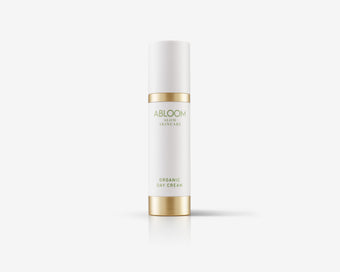
- Serum or day cream first. If your skin is dry, apply a day cream such as our organic day cream and let it absorb for a moment.
- Sunscreen as the last step. Take the sunscreen on your fingertips and spread it evenly over your face, neck and ears. Work from the centre of your face outwards, so the tint blends in evenly.
- Use enough. A very thin layer protects less than the number on the pack promises. Do not skip your hairline, the sides of your nose and your neck.
- Let it set. Wait a minute before you apply make-up.
Every morning is the moment to apply it. If you spend longer periods in the sun, reapply every two hours. The full order of your routine is in In what order do I use my skincare products?
Do you need sunscreen in autumn and winter?
Yes. In winter you may think less about the sun, but UVA rays are there all year round. They also pass through windows, so you are exposed at your desk or in the car too. That is why I recommend SPF every day, in every season. Our article protect your skin, use SPF all year round explains why.
A tinted day cream with SPF makes this easy. You put on a day cream anyway, so the protection comes along without an extra step.
How strong is SPF 20+?
SPF 20+ is made for daily protection: on your way to work, during a walk or a bike ride, or on a bright day in the city. It is not a sunscreen for a whole day at the beach. If you will be in strong sun for a long time, on holiday, on the water or in the snow, choose a sunscreen with a higher protection factor, reapply regularly and look for shade in the middle of the day.
How do you remove mineral sunscreen in the evening?
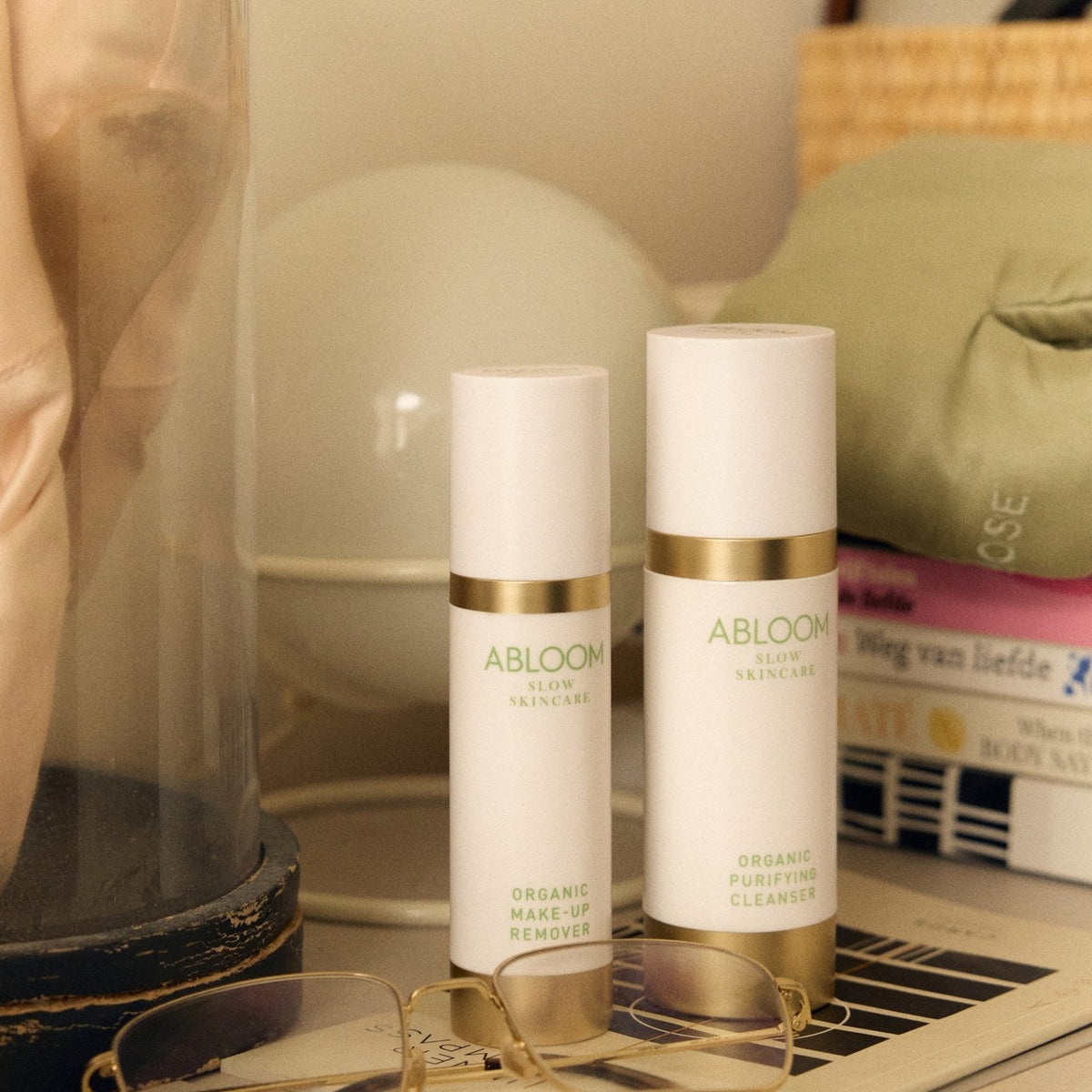
Zinc oxide is made to stay on your skin, so cleanse your face properly in the evening. I like to use two steps. First an oil cleanser such as the Organic Make Up Remover, which dissolves SPF and make-up without rubbing. Then the Purifying Cleanser for the last traces. You can read how this works on our page about double cleansing.
Is a tinted mineral sunscreen also for men?
Yes. Sun protection is for everyone, and a daily SPF is one of the simplest habits you can build. Would you rather have one quick step in the morning than a full routine? Then cleanse your face, apply the Organic Soothing Lotion, which also feels good after shaving, and finish with the tinted SPF. The tint is light, so it evens out the skin without looking like make-up. More tips for a simple routine are in our guide to men's skin.
Which mineral sunscreen suits your skin?
- Normal, combination or oily skin. The tinted SPF on its own is often enough as a day cream. Use a small amount and spread it thinly.
- Dry skin. First the organic day cream, then the tinted SPF as the last step.
- Sensitive skin. A mineral filter is often a good choice. Test a new product on a small area first and introduce one product at a time.
- Light skin tone. Choose Nude.
- A little more colour. Choose Sunkissed.
Not sure what your skin needs in general? Take our skin test.
Frequently asked questions
Is a mineral sunscreen better than a chemical sunscreen?
Does a mineral sunscreen leave a white cast?
Is SPF 20 enough for my face?
Can I wear a mineral sunscreen under make-up?

About the author
More about Barbara BaarsFor normal skin
Products for your skin





Not sure what your skin needs?
Take the free skin test and find the routine that suits your skin.