
Flaky skin and dry patches on your face: causes and care
Flakes next to your nose, near your eyebrows or on your chin? Skin specialist Barbara Baars explains why your skin flakes, when it may be something other than dryness and how to care for dry patches on your face calmly.
 By Barbara Baars
6 min read

In this article

In short: flaky skin on your face usually develops because the outer layer of your skin is too dry. Skin cells then come off in small flakes instead of invisibly. You often see dry patches next to the nose, near the eyebrows, on the chin and on the cheeks. You care for them by cleansing gently with lukewarm water, not scratching or scrubbing, giving the skin moisture and holding that moisture in with oil or a rich cream. If the patches turn red, itch or do not go away after a few weeks, see your GP.
From this article
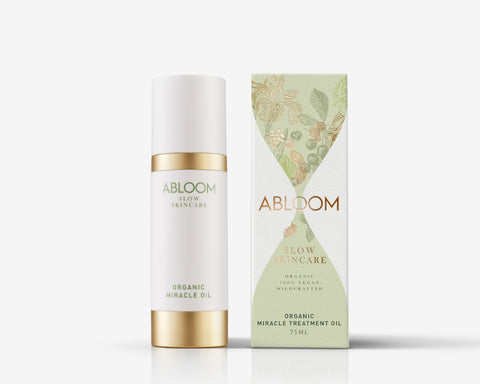
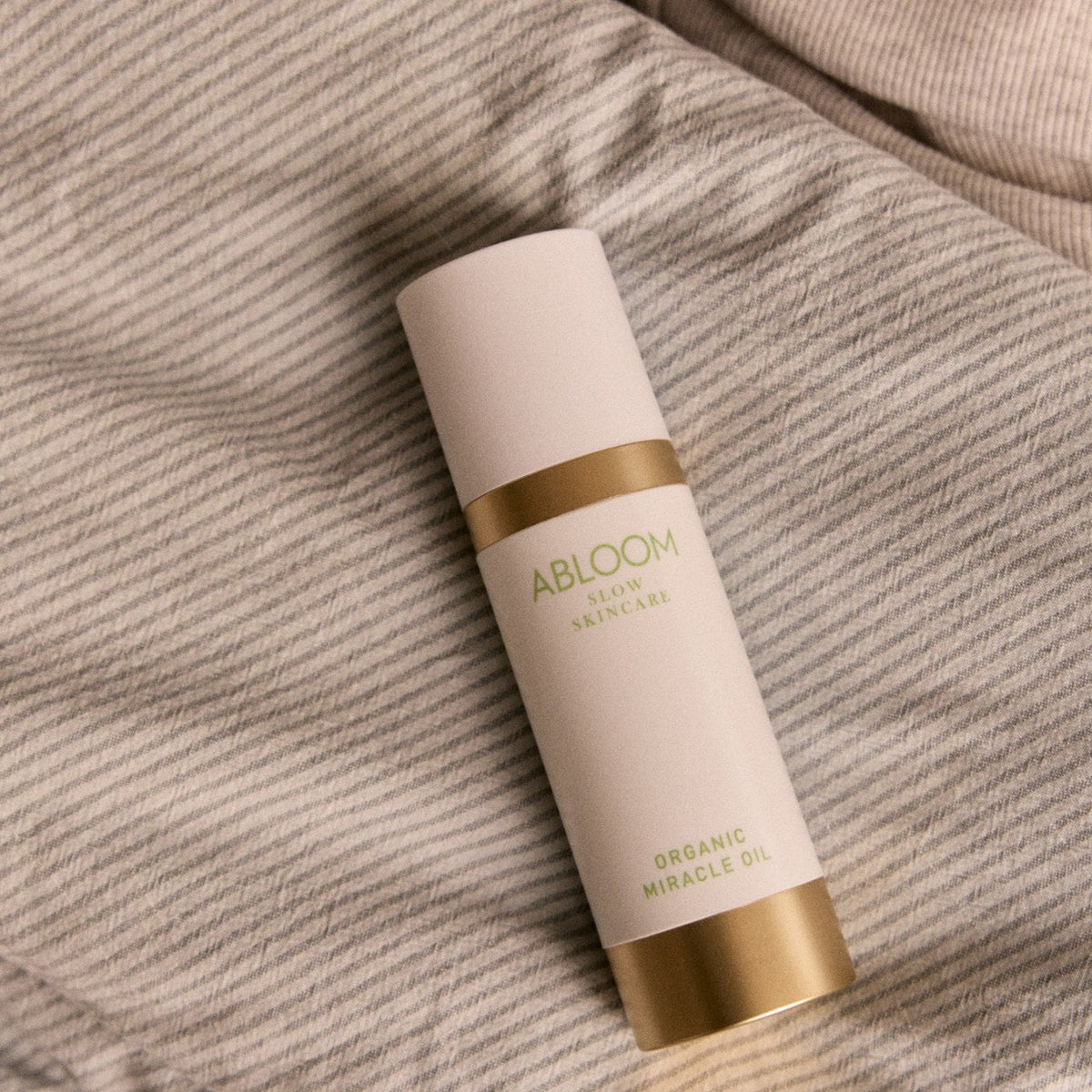
A light face oil that nourishes dry skin and brings back its natural glow without feeling greasy.
Your make-up catches on a dry patch next to your nose, or you see white flakes near your eyebrows. Many people try to rub those flakes away. That is understandable, but it usually only makes your skin more restless. In this article I explain why your skin flakes, how to tell whether it is dryness and how to care for dry patches on your face.
Why does your skin flake?
Your skin renews itself all the time. Normally old skin cells come off one by one, so small that you do not see it. For that, the outer layer of your skin needs enough moisture and fats. If it is too dry, the cells stick together and come off in small flakes. Those are the flakes you see. The skin then feels rough and tight, and sometimes it itches a little.
So flaking is often a sign that your skin barrier is having a hard time: more moisture escapes than your skin can replace.
Where do dry patches on your face come from?
- Cold and dry air. Cold outdoor air and indoor heating draw moisture from your skin. That is why you see dry patches more often in autumn and winter.
- Hot water and soap. Long, hot showers or washing your face with soap rinse away the protective fats.
- Too much exfoliation. Scrubbing every day or using many products with acids or retinol at the same time can dry out the skin.
- Wind and sun. Both dry out the skin, also during a day on the bike or a walk by the sea.
- Rubbing. With a cold you often wipe your nose, and the skin next to it quickly becomes dry and flaky.
- A routine that does not suit you. A strongly degreasing cleanser or care that is too light for dry skin.
The patches often appear where the skin is thin or moves a lot: next to the nose, near the eyebrows, around the mouth, on the chin and along the hairline.
Is it dryness, or something else?
Not every flaky patch is caused by dryness. Skin conditions such as eczema, seborrhoeic dermatitis and psoriasis can look similar. With seborrhoeic dermatitis, for example, you see red patches with yellowish, slightly greasy flakes, often next to the nose, near the eyebrows and along the hairline. That calls for advice from your GP. Pay particular attention to patches that are red, itch or burn, keep coming back or do not soften with a gentle routine.
Does your skin mainly feel tight, but you see no flakes? Then it may be dehydrated instead. Read more in my article on dehydrated skin.
How do you care for flaky skin?
- Cleanse gently. Use lukewarm water and a mild cleanser, no more than twice a day. In the morning lukewarm water is often enough. Pat your face dry instead of rubbing.
- Leave the flakes alone. Do not scratch or pick at them. They come off by themselves once your skin has enough moisture again.
- Give moisture. Apply a lotion, toner or serum while your skin is still slightly damp.
- Hold the moisture in. Finish with a cream. Then press a drop of facial oil onto the dry patches, or mix a drop into your cream.
- Choose something richer in the evening. A night cream does not have to sit under make-up and has the whole night to absorb.
- Protect your skin outdoors. Use SPF in the daytime, also in winter, and wear a scarf that shields your face a little in cold wind.
Give your skin a few weeks with this routine. You can read more about caring for dry skin on our page about dry skin.
Exfoliating flaky skin: yes or no?
It is tempting to scrub flakes away, but on dry, irritated skin a scrub usually makes things worse. Give your skin moisture and oil first. Once it feels calm again, you can use a mild enzyme peel once a week that you gently massage in. Do not use it on patches that are red, broken or itchy. In my article on enzyme peels I explain how they differ from a scrub.
Who is this for?
For anyone with flakes or rough, dry patches on their face, especially in the cold months. It suits dry skin, but normal or combination skin can also have dry patches in places.
Which Abloom products suit dry patches?
Organic Miracle Oil. A pure oil without water, with jojoba and sesame oil, rosehip, sea buckthorn and vitamin E. It absorbs quickly, does not leave a greasy layer and softens dry, rough and tight patches. Use a few drops all over your face, only on the dry patches, or mix a drop into your cream.
Organic Night Cream. Made with aloe vera instead of water, with shea butter, jojoba oil, centella asiatica and calendula. This rich cream gives your skin moisture and nourishment at night, softens dry patches and calms a feeling of tightness, without a greasy layer.
Organic Enzyme Peeling. A powder peel with colloidal oatmeal, fruit enzymes and finely ground cherry shell. The enzymes loosen dead skin cells, so a gentle massage is enough. After rinsing, your skin feels smoother and softer. For once a week, and only when your skin feels calm.
You can find all products for this skin type in our collection for dry skin.
How to use them
Morning: lukewarm water or a mild cleanser, a lotion or toner, your day cream and a drop of Miracle Oil on the dry patches. Finish with SPF. Evening: cleanse, apply a lotion or toner and use the Night Cream as the last step. If your skin asks for more, mix a drop of Miracle Oil into the cream.
Once a week, when your skin is calm: mix 1 tablespoon of Enzyme Peeling with 1 tablespoon of honey or plant-based kefir yoghurt and apply it to cleansed skin. Leave it on for 5 to 10 minutes, massage gently and rinse with lukewarm water. Then continue with your evening routine. Not sure what your skin needs? Take our free skincare test.
When should you see a doctor?
See your GP if the patches are red, itch or burn, if the skin cracks or bleeds, if the patches grow or keep coming back, or if they do not soften after a few weeks of gentle care. It is also wise to have your skin looked at if you think of eczema or psoriasis. Skincare can support your skin, but it does not replace a diagnosis.
In short
- Flakes develop when the outer layer of your skin is too dry.
- Cleanse gently with lukewarm water and leave out scratching and scrubbing.
- Give moisture and hold it in with a cream and a few drops of oil.
- Redness, itching or no improvement? Have your skin looked at by your GP.
Read more
- Dehydrated skin: how to recognise it and care for it
- Face oil for dry skin: how to choose
- Night cream for dry skin: how to choose
- Dry skin? Discover the causes, myths and natural solutions
- Itchy beard and dry skin under your beard: where does it come from?
Love,
Barbara Baars
Skin Specialist
Frequently asked questions
Why does my skin flake next to my nose?
Should you scrub flakes away?
Is facial oil good for dry patches?
How long does it take for dry patches to soften?

About the author
More about Barbara BaarsFor dry skin
Products for your skin




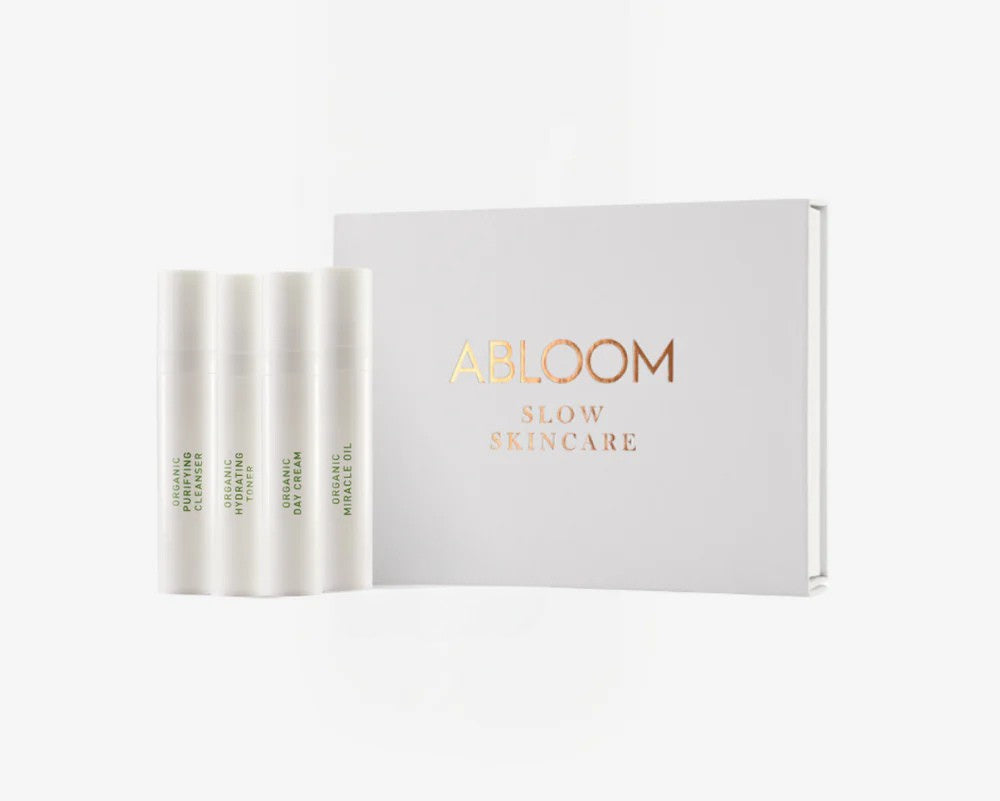
Two weeks of the routine for dry, tight skin.
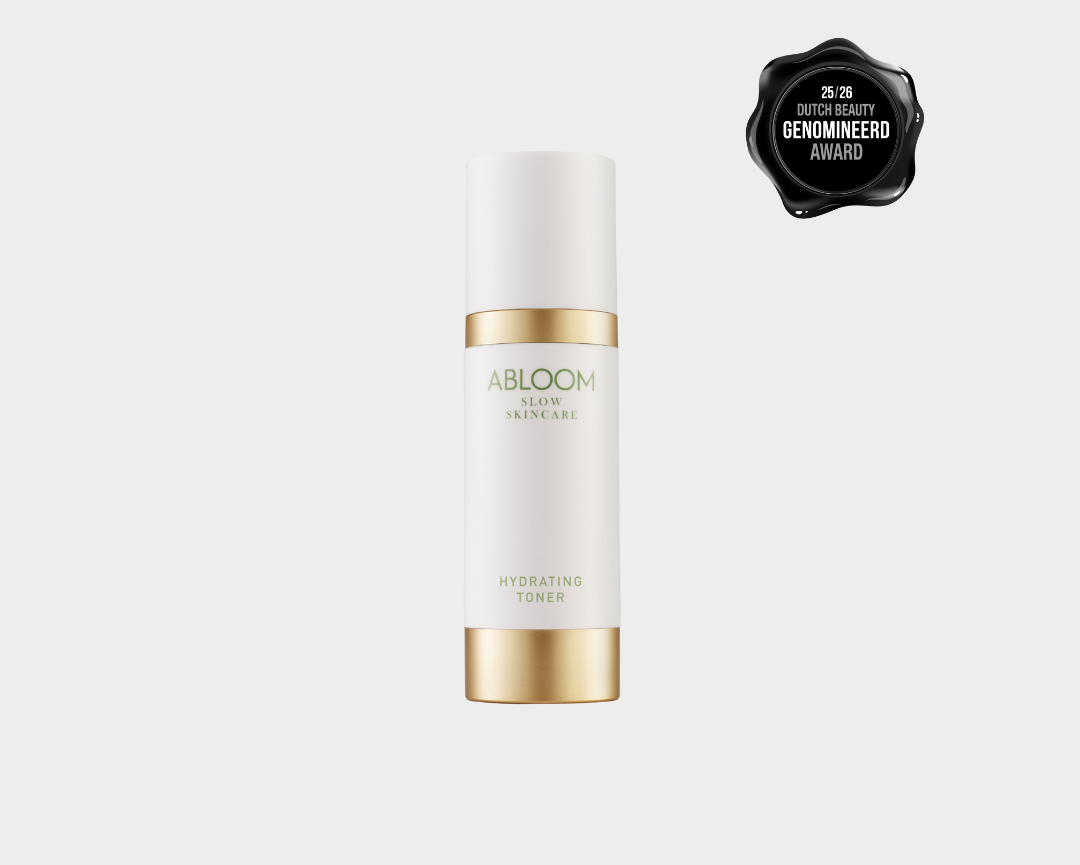

Gives thirsty skin a moisture boost and takes the tightness away.


Not sure what your skin needs?
Take the free skin test and find the routine that suits your skin.