



Dry skin around your eyes: causes and gentle care
Dry, tight or flaky skin around your eyes? Skin specialist Barbara Baars explains why this thin skin dries out so quickly, what you can do yourself and when it is wise to see a doctor.
 By Barbara Baars
6 min read
In this article
- Why does the skin around your eyes dry out more quickly?
- What are the most common causes?
- Dry skin around your eyes or dry eyes?
- What can you do yourself?
- Which Abloom products suit dry skin around your eyes?
- How to care for the skin around your eyes
- Who is this for, and when should you see a doctor?
- In short
- Read also

Short answer: the skin around your eyes is thinner than the rest of your face and has fewer oil glands. That is why it dries out more quickly, especially from rubbing, removing makeup too firmly, dry air and cold. What helps: remove makeup gently with oil, don't rub, tap in a very small amount of nourishing eye cream morning and evening, and care for the rest of your face with a cream or oil. If the skin stays flaky, red or itchy, have it checked.
From this article
A nourishing eye cream that makes tired eyes look fresher and puffiness and fine lines less visible.
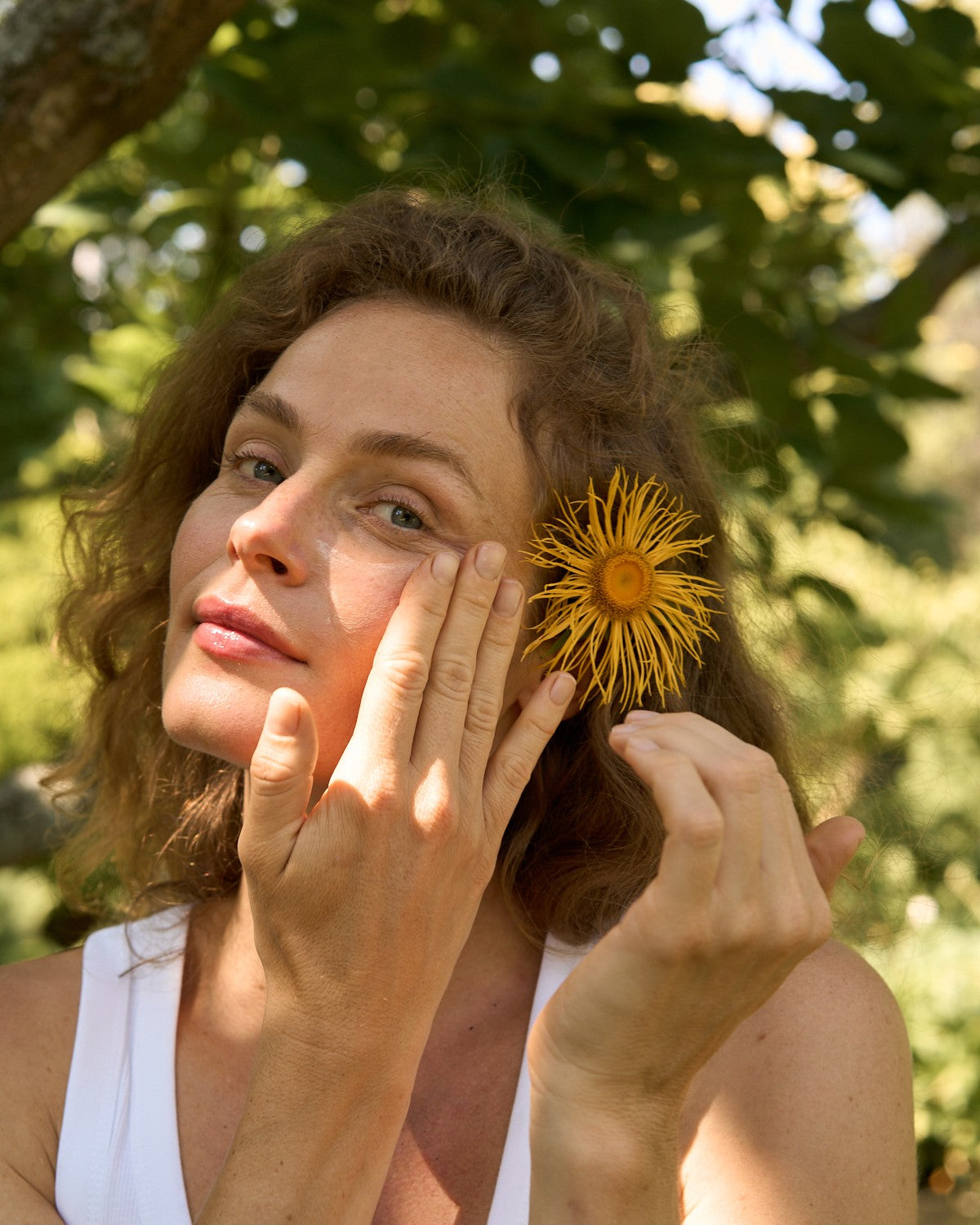
A tight feeling under your eyes, tiny flakes on your eyelid or fine dry lines that show as soon as you apply concealer. Many people notice it most in autumn and winter. In this guide I explain why the skin around your eyes in particular dries out so quickly, what you can do yourself and which of our products suit it.
Why does the skin around your eyes dry out more quickly?
The skin around your eyes is the thinnest skin on your face. It has few oil glands, so it makes little sebum of its own to hold on to moisture. On top of that, this area moves all day: you blink, laugh and squint. That makes the skin vulnerable to anything that puts extra strain on it.
What are the most common causes?
- Rubbing. Rubbing your eyes when you are tired or have hay fever, or when you take out your lenses. Each time, that is a little friction on thin skin.
- Removing makeup too firmly. Pulling and rubbing with a cotton pad until all the mascara is gone, or makeup wipes that leave the skin dry.
- Dry air and cold. Heating indoors, wind and cold outdoors draw moisture from your skin.
- Water that is too hot and strong cleansers. They remove more sebum than this skin can spare.
- Your face cream around your eyes. Some creams are too rich for this area or contain ingredients this thin skin does not enjoy.
- Getting older. Over the years your skin makes less sebum and feels dry more quickly.
Sometimes something else is behind it, such as an allergic reaction to mascara or nail polish, or eczema on your eyelids. You can read more about that further on.
Dry skin around your eyes or dry eyes?
These are two different things. With dry skin around your eyes, the skin feels tight, rough or flaky. With dry eyes, it is about the eyes themselves: they burn, sting, feel gritty or actually water a lot. A cream does not solve that. If you have dry eyes, ask your GP, pharmacist or optician for advice.
What can you do yourself?
- Remove eye makeup with oil. Oil dissolves mascara and eyeliner, so you don't have to rub. How to do that, also with waterproof mascara, you can read in How to remove waterproof mascara.
- Cleanse with lukewarm water and a mild cleanser, and keep the cleanser away from your eyes.
- Pat, don't rub. Pat your face dry with a soft towel.
- Tap in a very small amount of eye cream, morning and evening. Stay on the bone around your eye and tap with your ring finger, which applies the least pressure.
- Care for the rest of your face with a cream or a few drops of oil, so the skin around it stays supple too.
- Introduce new products one at a time and test them on a small patch of skin first. That way you know what your skin reacts to.
Outside your routine you can help the skin around your eyes too: sunglasses in wind and bright light, airing the room more often when the heating is on, and enough sleep.
Which Abloom products suit dry skin around your eyes?
Organic Eye Cream. Made with aloe vera instead of water, with shea butter, jojoba, sacha inchi and borage seed oil, glycerin and vitamin E, and mild plant extracts such as chamomile and calendula. The cream gives the thin skin around your eyes moisture and care without feeling heavy, and it sits well under makeup. Good to know: it contains organic alcohol and essential oils, such as bergamot and lemon peel oil. If your skin is sensitive to these, test the cream on a small patch of skin first, for example along your jawline.
Organic Make Up Remover. A soft cleansing oil made of sweet almond oil, jojoba oil and plant extracts, without water, and safe for the eye area. It dissolves eye makeup and SPF, so you only need to wipe gently. Afterwards the skin around your eyes feels clean and cared for, not dry.
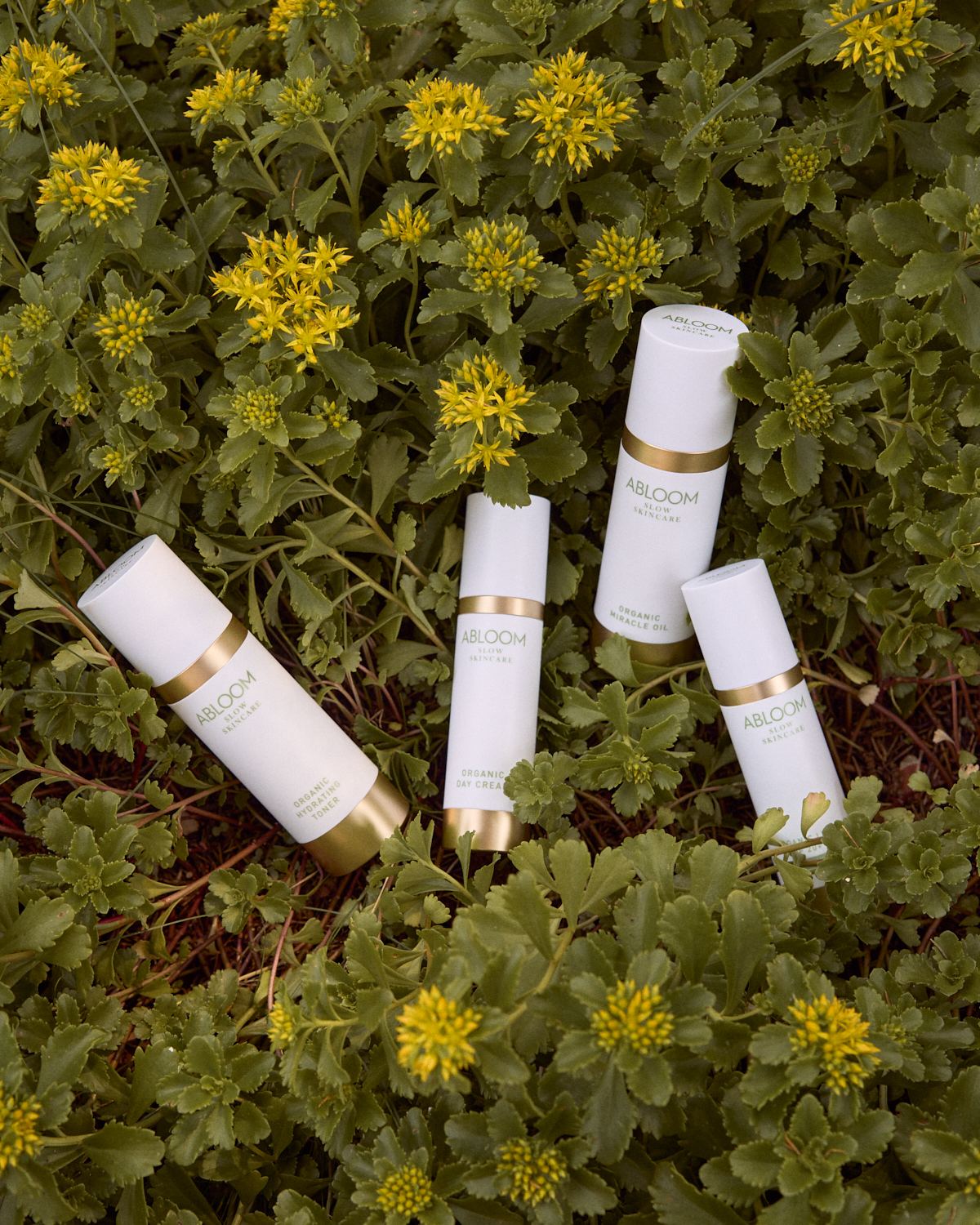
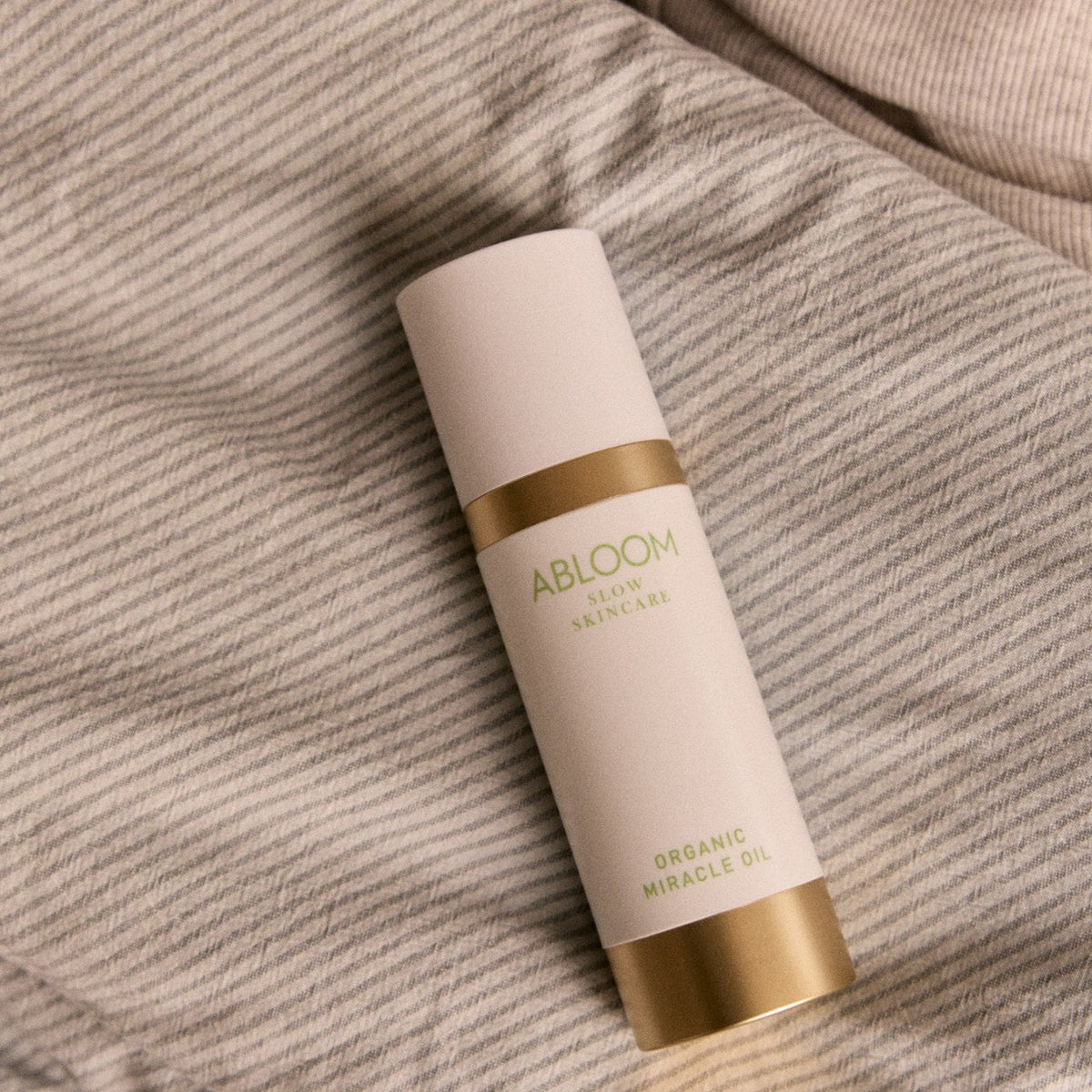
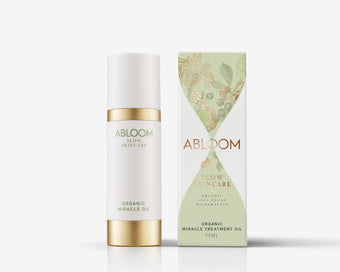
Organic Miracle Oil. For the rest of your face. A few drops are enough to make dry, rough skin feel soft again. Apply the oil after the eye cream, on your face and neck, and keep it away from your eyelids and eyes: it contains essential oils. You can also mix a drop into your day cream.
| Product | What for | When |
|---|---|---|
| Organic Make Up Remover | Dissolving eye makeup and SPF without rubbing | Evening, first step |
| Organic Eye Cream | The thin skin around your eyes | Morning and evening |
| Organic Miracle Oil | Dry, rough skin on the rest of your face | After the eye cream |
How to care for the skin around your eyes
Evening:
- Massage a little Make Up Remover over your closed eyes and wipe it away gently with a warm, damp cloth.
- Cleanse the rest of your face with a mild cleanser and lukewarm water. Pat dry.
- Take a very small amount of Eye Cream, warm it between your ring fingers and tap it gently under and around your eyes, on the bone.
- Let it absorb for a moment, then press a few drops of Miracle Oil onto your face and neck.
Morning: cleanse with lukewarm water, tap in the eye cream, care for your face and finish with SPF. More about when and how to apply eye cream can be found in Eye cream: when and how to use it.
Give your skin a few weeks with this calm routine before you judge whether it helps.
Who is this for, and when should you see a doctor?
This guide is for anyone whose skin around the eyes feels dry, tight or slightly flaky, whether your skin is dry, normal or sensitive. Does your whole face feel dry? Then also have a look at our page about caring for dry skin and our collection for dry skin. Does your skin mainly feel tight and look dull, but not flaky? Then read Dehydrated skin: how to recognise it and care for it.
See your GP or a dermatologist if your eyelids are red, swollen or itchy, if the skin cracks or gets small wounds, or if it does not improve after a few weeks of gentle care. That can point to eczema or an allergic reaction, for example to makeup or nail polish. Then you need a diagnosis first.
In short
- The skin around your eyes is thin and has few oil glands, so it dries out quickly.
- Rubbing, firm makeup removal, dry air and hot water make it worse.
- Remove makeup with oil, pat dry and tap in a little eye cream morning and evening.
- Dry skin around your eyes is not the same as dry eyes.
- Red, swollen or itchy eyelids: have them checked.
Read also
- Choosing an eye cream: what to look for
- Eye cream: when and how to use it
- How to remove waterproof mascara: gently, with oil and without rubbing
- Dehydrated skin: how to recognise it and care for it
Not sure what your skin needs? Take our free skincare test, or ask our skin specialist your question via the chat on our website.
Love,
Barbara Baars
Skin Specialist
Frequently asked questions
Can I use my normal day cream around my eyes?
Can I use face oil around my eyes?
How often do I use the Eye Cream?
Why is the skin around my eyes drier in winter?

About the author
More about Barbara BaarsFor dry skin
Products for your skin



Two weeks of the routine for dry, tight skin.
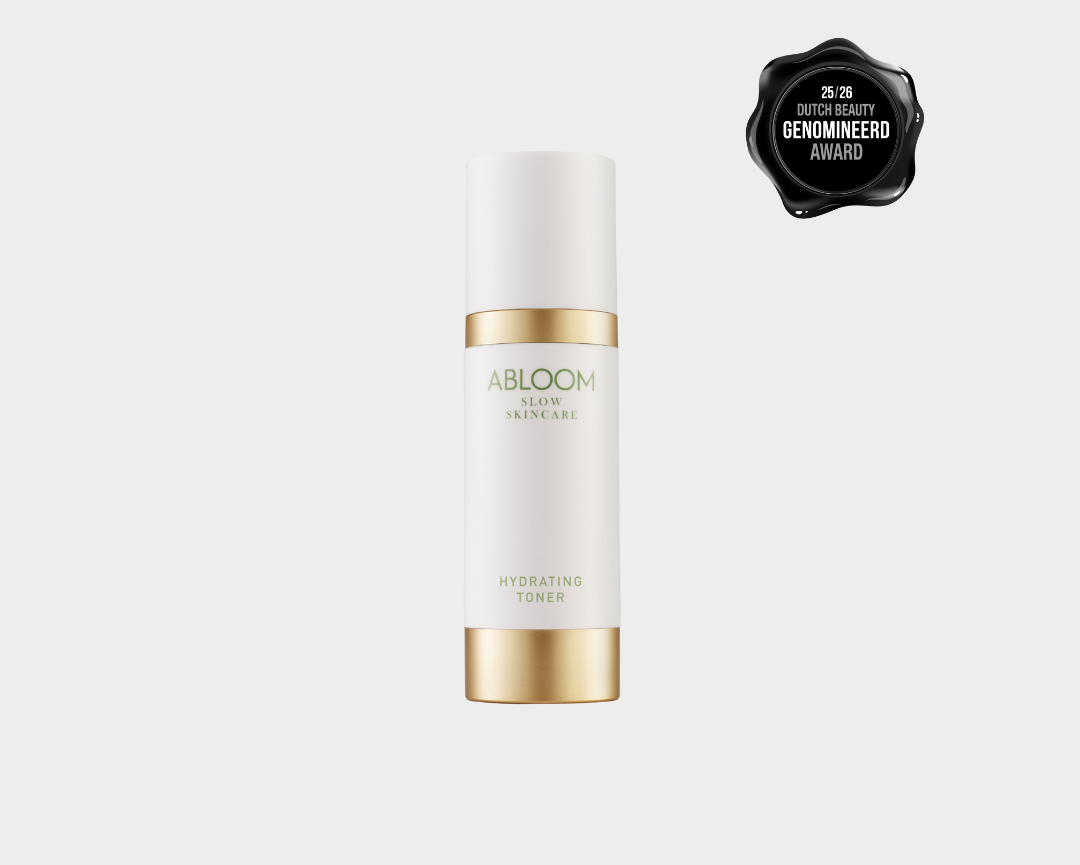
Gives thirsty skin a moisture boost and takes the tightness away.

Not sure what your skin needs?
Take the free skin test and find the routine that suits your skin.