Day cream without microplastics and PFAS: how to read the label
How do you recognise microplastics and PFAS on the label of your day cream? Skin specialist Barbara Baars lists the INCI names to look for, explains what the EU already restricts and shows what is in Abloom's Day Cream and Night Cream.
 By Barbara Baars
7 min read
In this article
- What are microplastics in cosmetics?
- What is PFAS, and why is it in cosmetics?
- Which INCI names point to microplastics or PFAS?
- Are microplastics in cosmetics banned?
- Is PFAS in cosmetics banned?
- How to read an INCI list in four steps
- What is in Abloom's Day Cream and Night Cream?
- Day cream or night cream: when to use which?
- Who is this guide for?
- In short
- Read also
- Sources

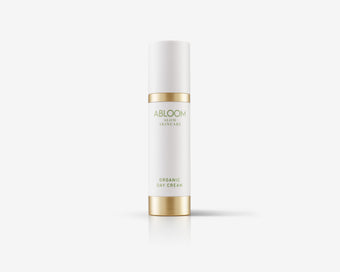
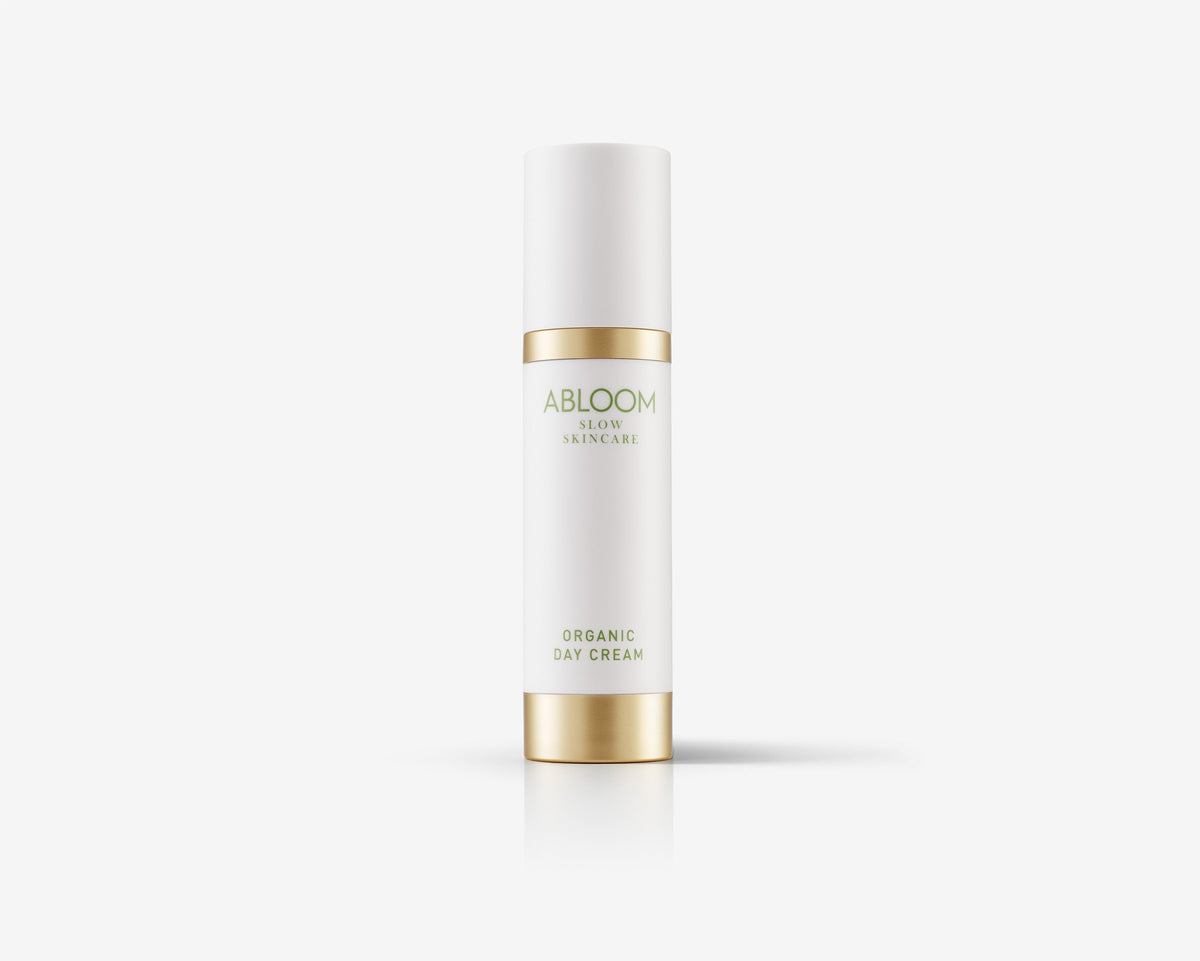
Short answer: you recognise microplastics and PFAS by the INCI names in the ingredient list, not by the front of the pack. Look out for names such as polyethylene, nylon-12, acrylates copolymer, PTFE and anything with "fluoro" or "perfluoro". Abloom's Organic Day Cream and Night Cream contain none of these: they are made with aloe vera instead of water, with shea butter, plant oils and herbal extracts.
From this article
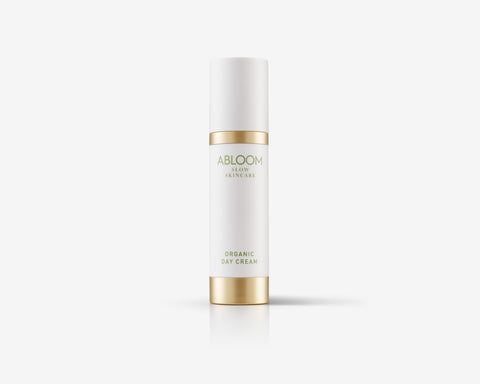
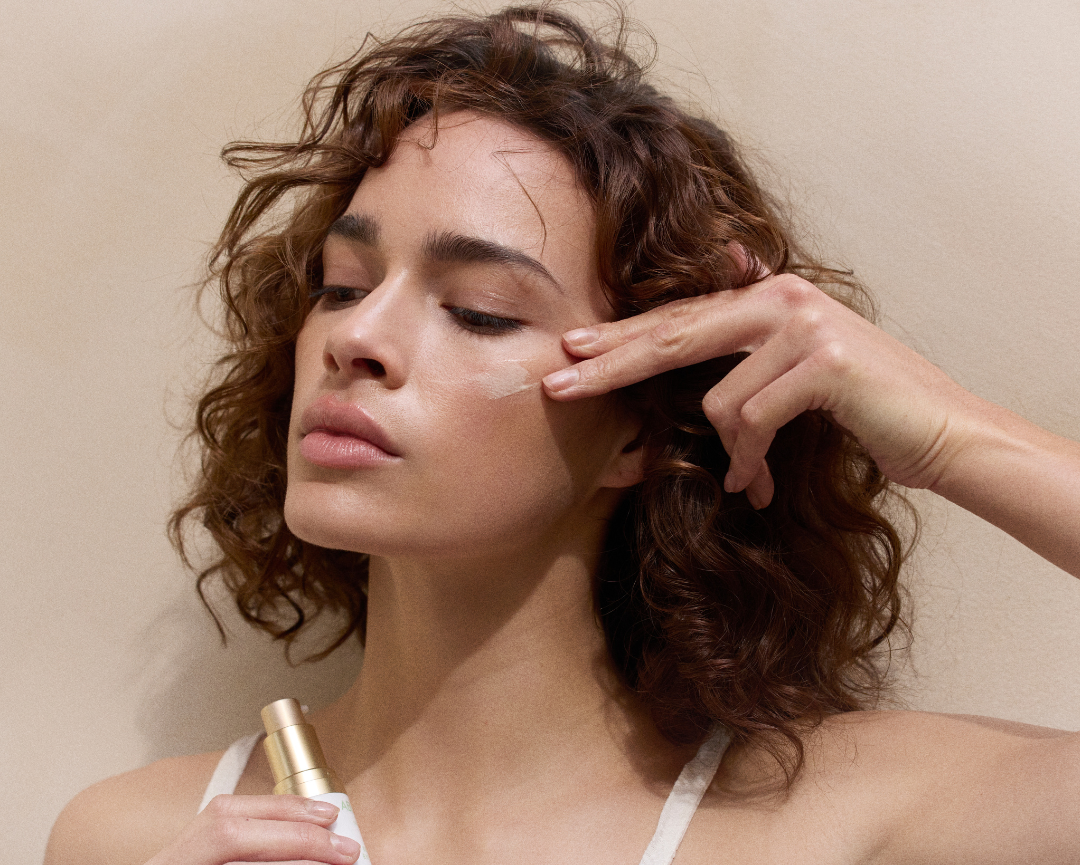
A nourishing day cream that keeps skin soft and moisturised all day without feeling greasy.
"Is there plastic in my cream?" I hear that question more and more often in our chat. Many people want a day cream without the junk, but are not sure what to look for. That makes sense, because microplastics and PFAS are never listed under those words on a pack. In this guide I show which names you will find in an ingredient list, what the law says about them today, and what is and is not in our creams.
What are microplastics in cosmetics?
Microplastics are very small particles of synthetic polymer, smaller than 5 millimetres, that do not dissolve and break down poorly. In cosmetics they give a product a silky feel or a matte finish, add shine or act as scrub particles. After rinsing or removing make-up, they end up in the environment through waste water.
There are also synthetic polymers that are liquid, semi-solid or soluble. These fall outside the European definition of microplastics, but some of them also break down poorly. The Plastic Soup Foundation believes these should be tackled too. That is exactly where the grey area on the label lies.
What is PFAS, and why is it in cosmetics?
PFAS are a large group of man-made substances with a strong bond between carbon and fluorine. They hardly break down in nature. The Dutch public health institute RIVM names cosmetics as one of the products in which PFAS are used, alongside non-stick coatings and textiles. In cosmetics, PFAS help a product repel water, last longer or glide smoothly over the skin. You find them mainly in make-up, such as foundation, mascara and lipstick, but according to the US FDA also in some moisturisers and cleansers.
Which INCI names point to microplastics or PFAS?
The ingredient list shows the official INCI names. These are the names to look out for:
- Polyethylene (PE) and polypropylene (PP). Classic plastics, once common in scrubs, now also used as powders in make-up.
- Nylon-12, nylon-6 and other polyamides. They give powder and foundation a silky feel.
- Acrylates copolymer, acrylates crosspolymer and polymethyl methacrylate (PMMA). For an even, matte layer or a film on the skin.
- PTFE (polytetrafluoroethylene). This is Teflon: a solid plastic particle and a PFAS at the same time.
- Names with "fluoro" or "perfluoro", such as perfluorononyl dimethicone, perfluorohexylethyl triethoxysilane and methyl perfluorobutyl ether. These are PFAS.
- Siloxanes and silicones, such as cyclopentasiloxane, cyclohexasiloxane and dimethicone. Not microplastics by law, but they break down poorly. That is why the EU is restricting cyclopentasiloxane (D5) and cyclohexasiloxane (D6) step by step.
- Carbomer. This one is nuanced. Carbomer is a synthetic polymer that swells into a gel in a cream. It usually falls outside the European definition of microplastics, because it is not a solid particle in the product. The Plastic Soup Foundation does put it on its list of ingredients to watch, because it breaks down poorly. Whether you avoid it is your own choice.
This list is not complete, as there are hundreds of synthetic polymers. The Plastic Soup Foundation keeps a longer list on its Beat the Microbead website.
Are microplastics in cosmetics banned?
Partly, and step by step. Since 17 October 2023 the EU has restricted intentionally added microplastics under Regulation (EU) 2023/2055. For cosmetics this means:
- Plastic scrub particles (microbeads) may no longer be placed on the market since 17 October 2023.
- Rinse-off products, such as a cleanser or shampoo, may contain microplastics until 16 October 2027 inclusive.
- Leave-on products, such as a day cream, may do so until 16 October 2029 inclusive.
- Make-up, lip and nail products have the longest transition period: until 16 October 2035 inclusive.
- Liquid, soluble and natural polymers fall outside the restriction.
So a day cream may still contain microplastics today, and that will remain the case until autumn 2029. Reading the label is still the only way to know for sure.
Is PFAS in cosmetics banned?
Not across the EU yet. Since 2023 there has been a proposal for a broad European restriction on PFAS that also covers cosmetics. That proposal is still being assessed. Until there is a decision, a brand may use PFAS as an ingredient, as long as it appears on the INCI list. Here too, the list of names above helps you.
How to read an INCI list in four steps
- Look at the first five ingredients. Ingredients above 1% are listed in order of quantity. What comes first makes up the largest part of the cream. In many creams that is Aqua, or water.
- Look for the names from the list above. Check the bottom of the list too, because microplastics and PFAS are often used in small amounts.
- Watch for the ending "-paraben". Parabens are preservatives, such as methylparaben and propylparaben. You can read more about these and other debated substances in hormonal disruptors in skincare.
- Do not rely on the front alone. Words such as "clean" and "natural" are not protected. How the order works exactly and what a list does not tell you is explained in why the INCI list is only the beginning of conscious skincare.
What is in Abloom's Day Cream and Night Cream?
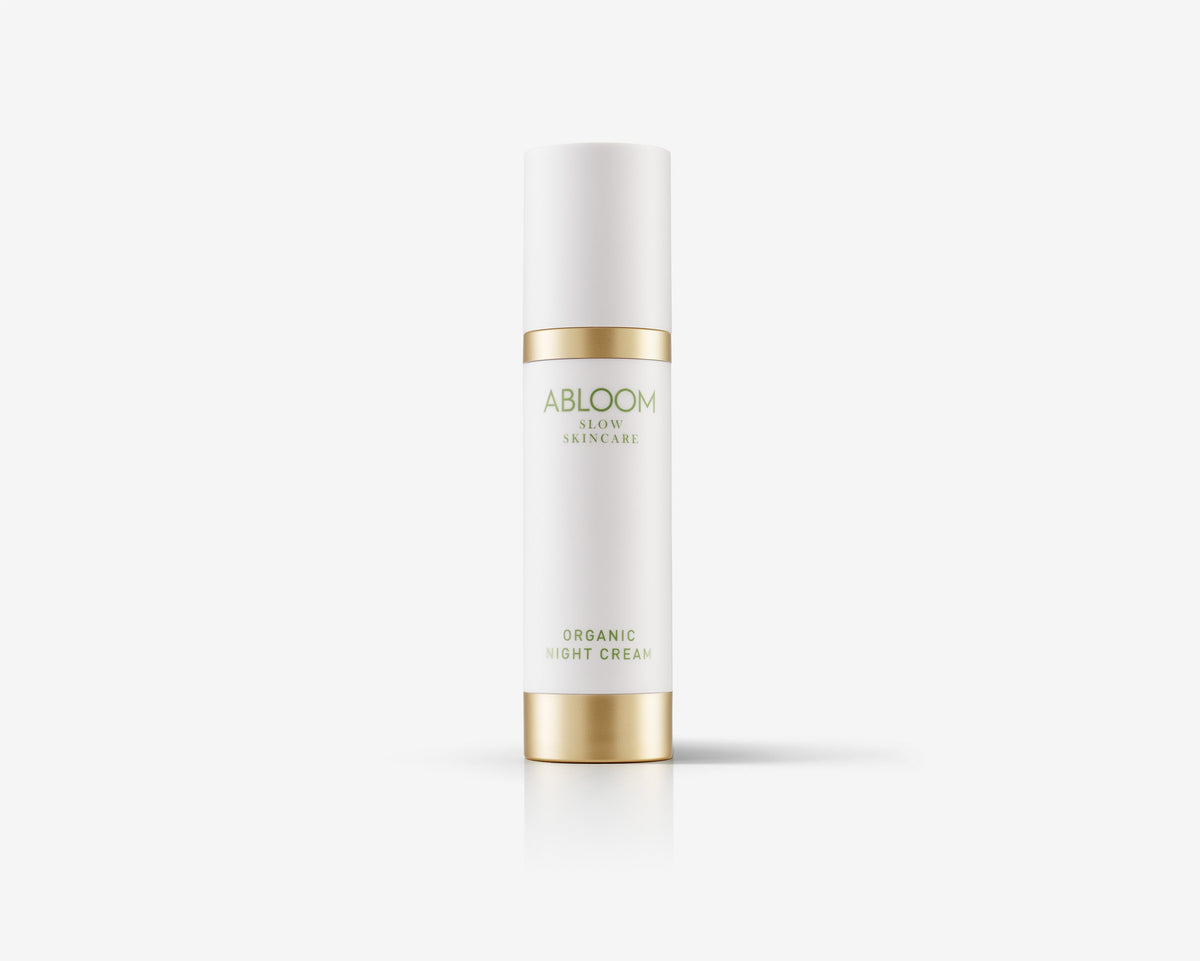
At Abloom we use aloe vera instead of water. In the Organic Day Cream and the Organic Night Cream, aloe vera juice (Aloe Barbadensis Leaf Juice) is the first ingredient. It is followed by shea butter (Butyrospermum Parkii Butter), lecithin, organic alcohol and jojoba oil (Simmondsia Chinensis Seed Oil). The list also includes plant oils and extracts of, among others, sea buckthorn, calendula, chamomile and centella asiatica.
What is not on the list of either cream:
- No polyethylene, nylon, acrylates or other solid plastics.
- No PTFE and no ingredients with "fluoro" or "perfluoro".
- No siloxanes or silicones, such as cyclopentasiloxane or dimethicone.
- No carbomer.
- No parabens.
- No mineral oil (paraffinum liquidum).
So how does a cream get its texture without synthetic polymers? Lecithin holds the oils and the aloe vera juice together. Tapioca starch and xanthan gum give the cream body. Xanthan gum is made by fermenting sugar. It is a natural polymer that dissolves and breaks down, which is why it does not count as a microplastic.
The Day Cream has 30 ingredients, the Night Cream 34. The full INCI list is on each product page. You can see all creams side by side in our face creams, and what each ingredient does is explained in ingredients A to Z.
Day cream or night cream: when to use which?
Both creams share the same base of aloe vera, shea butter and jojoba oil. Apply the Day Cream in the morning after your toner. It contains no sun filter, so if you spend a long time outdoors, finish with an SPF. The Night Cream is the last step of your evening routine. How to use them in a calm three-step routine is explained in natural face care.
Who is this guide for?
For anyone who wants to know what is really in a day cream and wants to be able to read the label themselves. If your skin reacts quickly to new products, try a cream on a small area first, for example on your neck. If you have a skin condition, talk to your GP or a dermatologist.
In short
- You recognise microplastics and PFAS by their INCI names, not by the front of the pack.
- Look out for polyethylene, nylon, acrylates, PMMA, PTFE and names with "fluoro".
- Siloxanes and carbomer are not microplastics by law, but they break down poorly.
- In the EU, a day cream may contain microplastics until October 2029. There is no European ban on PFAS in cosmetics yet.
- Abloom's Day Cream and Night Cream contain none of these substances and are made with aloe vera instead of water.
Read also
- Why the INCI list is only the beginning of conscious skincare
- Hormonal disruptors in skincare: what you need to know
- Natural face care: how to build a calm routine
- Ingredients A to Z
- Why Abloom
Not sure what your skin needs? Take our free skincare test, or ask our skin specialist through the chat on our website.
Love,
Barbara Baars
Skin Specialist
Sources
- European Commission: Regulation (EU) 2023/2055, restriction of intentionally added microplastics
- Plastic Soup Foundation: Beat the Microbead, Guide to Microplastics
- RIVM (Dutch National Institute for Public Health and the Environment): Questions and answers about PFAS (in Dutch)
- U.S. Food and Drug Administration: PFAS in Cosmetics
Consulted on 23 November 2026.
Frequently asked questions
Is there microplastic in day cream?
Is there PFAS in make-up?
Do Abloom's Day Cream and Night Cream contain parabens?
About the author
More about Barbara BaarsFor Natural face cream
Products for your skin


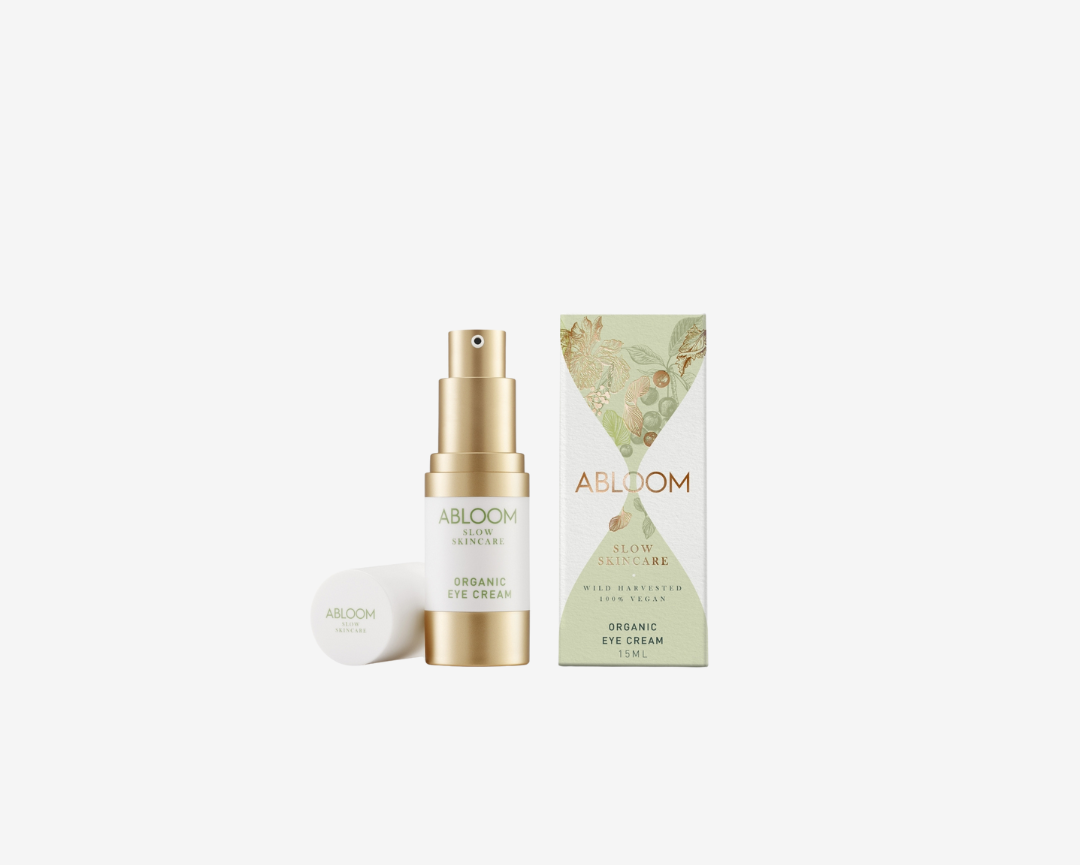
Refreshes the eye area and softens puffiness and fine lines.
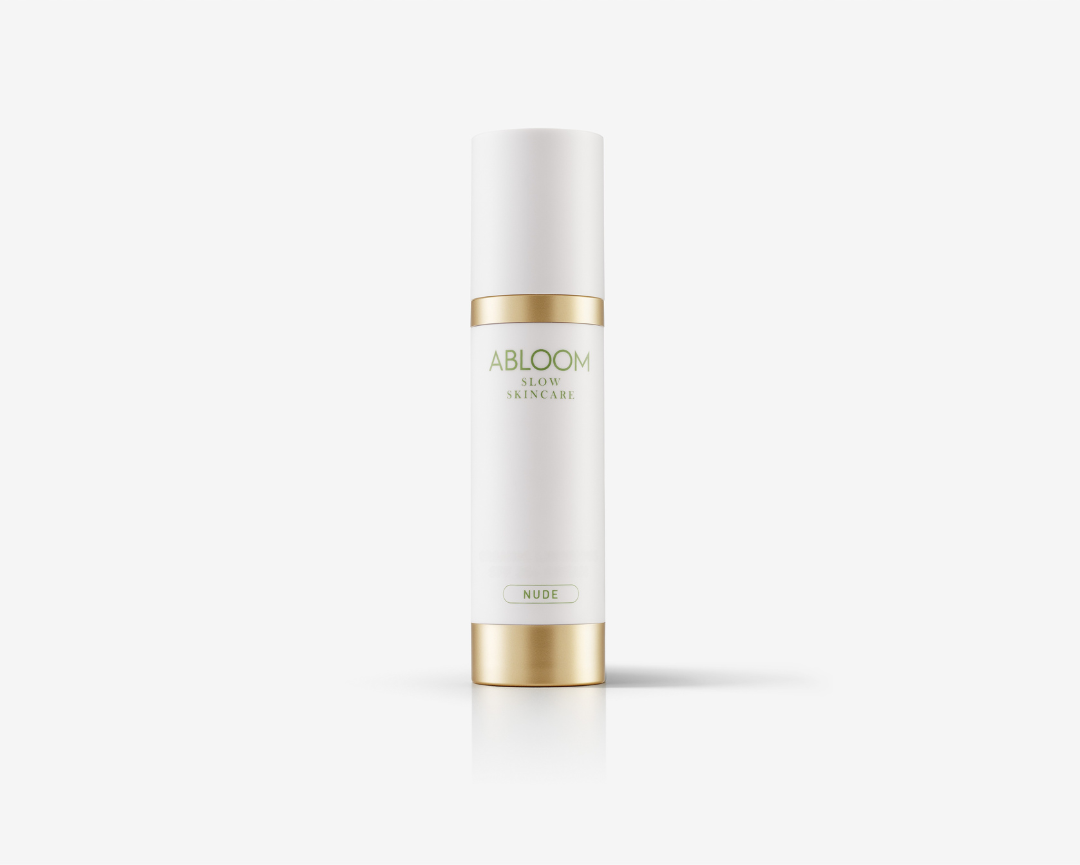
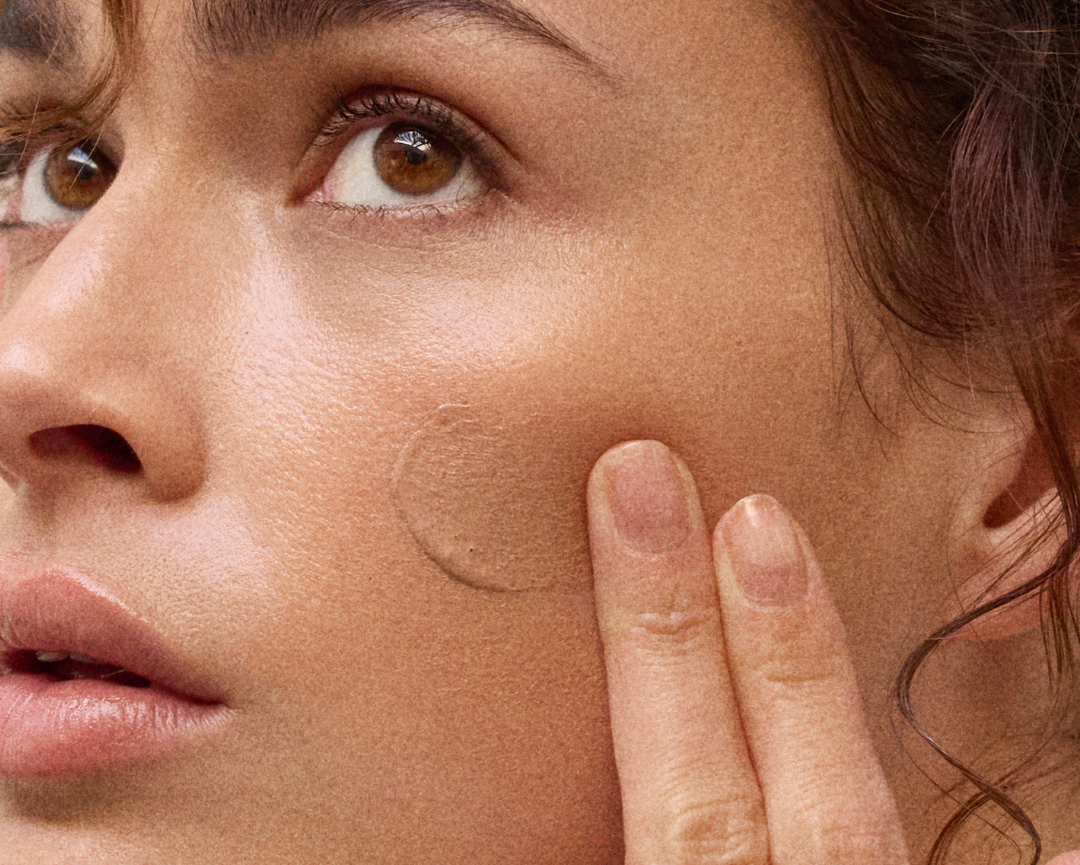
Sun protection with a neutral tint that evens out your skin tone.
Not sure what your skin needs?
Take the free skin test and find the routine that suits your skin.