Rosacea: understand your skin, restore balance and choose effective care
 By Barbara Baars
6 min read
In this article
- What is rosacea?
- How do you recognise rosacea?
- The deeper cause of rosacea: skin out of balance
- Sensitive skin vs. couperose vs. rosacea
- The role of diet, gut health and omegas in rosacea
- What triggers it? (sun, stress, food and more)
- Why many skincare products make rosacea worse
- What does help with rosacea?
- Step-by-step routine for rosacea
- Common mistakes in rosacea care
- When can you build up with oil or cream?
- The emotional impact of rosacea
- Finally: rest, routine and realistic expectations
What is rosacea?
Rosacea is a chronic skin condition that shows up as redness, sensitivity, inflammation and a burning sensation. It is most common in adults between 30 and 60, especially in women and people with fair skin. The cause is complex and is influenced by inflammatory reactions, dilated blood vessels and hypersensitivity of the skin.
Rosacea has several stages, from mild redness to thickening of the skin (rhinophyma). It is important to recognise rosacea early, so you can start targeted care.
How do you recognise rosacea?
Rosacea is often confused with acne, couperose or sensitive skin. Still, there are clear symptoms:
- Redness on the cheeks, nose, forehead or chin
- Visible small blood vessels (similar to couperose)
- A burning or stinging feeling
- Dryness and flaking
- Bumps or spots that look like acne
- Eye complaints, such as irritation or inflammation
These complaints come in episodes, so-called "flare-ups", and are often triggered by heat, food or stress.
The deeper cause of rosacea: skin out of balance
Rosacea is a visible symptom of an internal imbalance. One of the main causes is a disturbed ratio between omega 3 and omega 6 fatty acids.
Many people get too little omega 3 (oily fish, algae oil), while omega 6 from vegetable oils and processed food dominates. This leads to small inflammations at cell level and a lack of oxygen in the skin. The result: small blood vessels dilate, the skin becomes irritated and red, sensitive patches appear.
Sensitive skin vs. couperose vs. rosacea
- Sensitive skin reacts quickly to cold or products, but shows no inflammation.
- Couperose is genetic and shows as permanently visible small blood vessels.
- Rosacea is more active: changing redness, inflammation and often bumps as well.
This confusion leads many people to treat rosacea the wrong way, often with occlusive creams that make the skin worse.
The role of diet, gut health and omegas in rosacea
What happens in your gut shows up on your face. A leaky gut wall lets waste products leak into the bloodstream. This triggers the immune system and causes inflammation, including rosacea.
Tips:
- Glucosamine and collagen help repair and strengthen the gut wall.
- Probiotics feed the gut flora.
- Omega 3 fatty acids (EPA and DHA from fish or algae oil) have an anti-inflammatory effect.
- Note: limit omega 6 (sunflower oil, soy, fast food).
Try to reduce or avoid histamine-rich foods, such as avocado, tomato, aubergine, sauerkraut, cheese and wine, because these can make the complaints worse. Don't eat the same thing every day, but nourish your body with a varied diet full of vegetables, fruit, fibre, antioxidants and unprocessed food.
What triggers it? (sun, stress, food and more)
Known triggers for rosacea are:
- UV radiation and heat (sun, sauna, spicy food)
- Alcohol, especially red wine
- Stress (raises the hormone cortisol and worsens the inflammation)
- Cosmetics with perfume, alcohol or mineral oil
- Hormonal fluctuations
- Overly harsh cleansing or scrubs
Triggers can differ from person to person. You could keep a skin diary to recognise your patterns.
Other factors are also believed to play a role. There is evidence of a genetic predisposition: if someone in your family has or had rosacea, you may be at a higher risk. Demodex, tiny mites that naturally live on human skin, may also play a role in triggering inflammation in people with rosacea.


Why many skincare products make rosacea worse
Many common products, natural ones included, contain fatty oils or silicones (such as dimethicone or mineral oil) that seal off the skin.
For rosacea this is harmful: the skin gets less oxygen, waste products get trapped and inflammation gets worse. Even ‘healthy’ ingredients such as argan oil can be too rich and backfire.
Mineral oil also seals off the skin, blocks the outflow of sebum and disturbs the skin flora. The result: more inflammation.
So check all your products, including make-up and sunscreen!
What does help with rosacea?
The key is to care for your rosacea skin without burdening it. Use watery formulas such as a good toner or a soothing lotion. These give the skin rest and nourishment without sealing it off.
Choose products with:
- Aloe vera: hydrating and restoring
- Chamomile and lavender: calming and anti-inflammatory
- Frankincense: stimulates cell renewal
- Witch hazel: astringent and softening
Note: choose light textures that nourish the skin without sealing it off. Go for products that nourish the skin at cellular level but don't block anything. Sensitive, reactive skin needs to be able to breathe.
Abloom’s approach to rosacea
At Abloom we formulate according to the principles of slow skincare: three months of extraction without heating, to keep all active compounds intact. For rosacea we choose low-fat, bioactive products that calm, restore and protect the skin without sealing it off.
Our approach:
- Purifying Cleanser: gentle cleansing without drying out the skin
- Soothing Lotion: has an anti-inflammatory effect and strengthens the skin barrier
- Hydrating Toner: based on aloe vera and calming plants
Together these form a safe, effective base for skin that is prone to rosacea.

Step-by-step routine for rosacea
In the morning:
- Cleanse with cold water only
- Use Soothing Lotion
- Apply Hydrating Toner
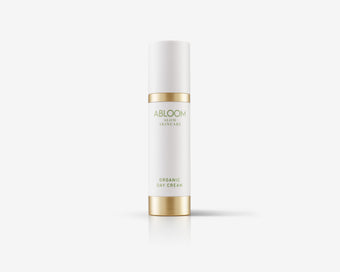
- When the skin is calm: Organic Day Cream (apply lightly)
- Optional: Luminous SPF 20+ as day care
In the evening:
- Cleanse with Purifying Cleanser
- Apply Soothing Lotion + Hydrating Toner
- Don't use oil or cream until the skin is stable again
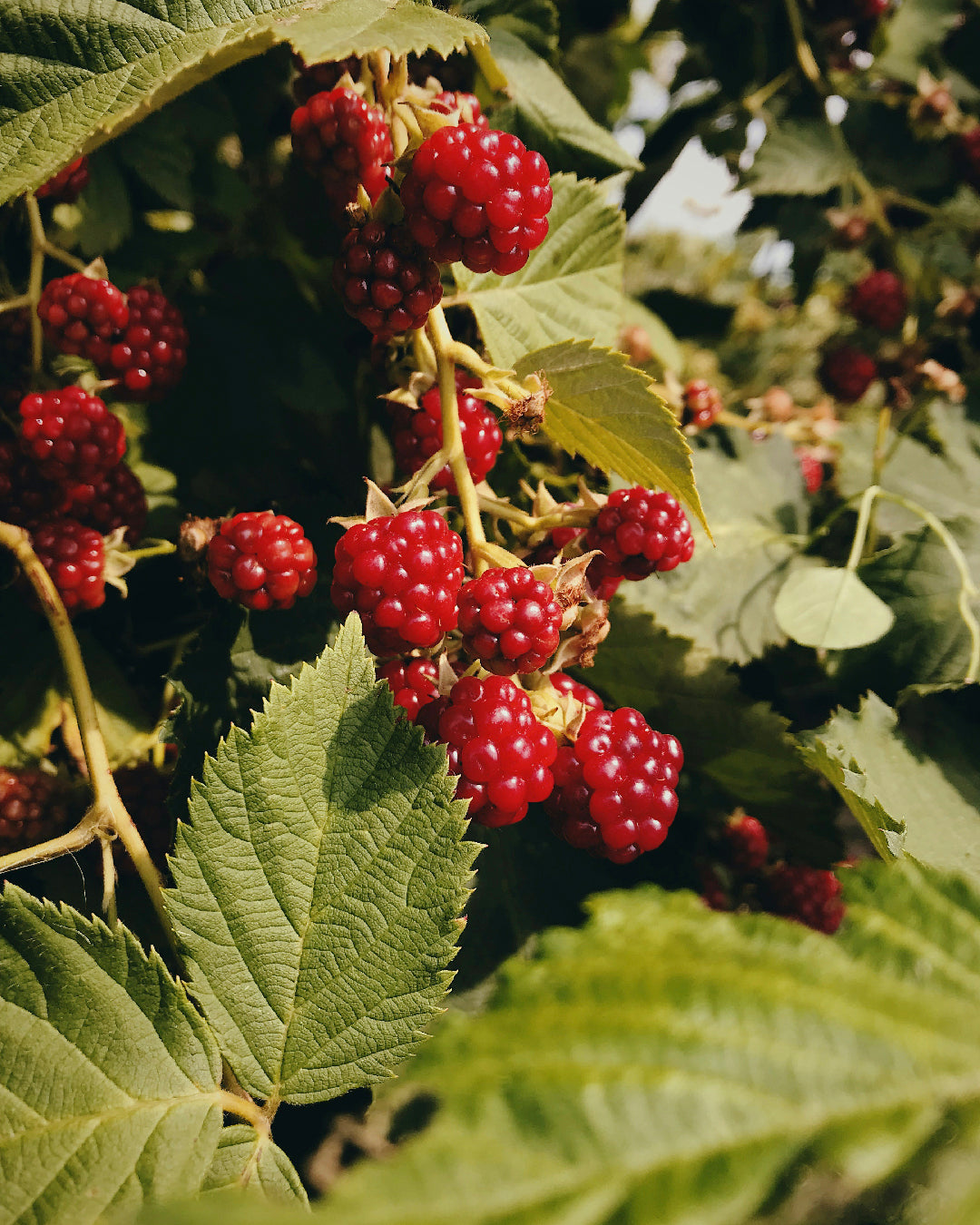
Mask: the Collagen Boost Mask contains berries that strengthen the small blood vessels. Only use it once the skin has calmed down.
Alternatively, use the Green Detox Mask. Use your mask once or twice a week. These freeze dried organic masks can be mixed with honey (anti-bacterial) or kefir yoghurt (strengthening the microbiome of your skin).
Barbara, skin specialist at Abloom
Common mistakes in rosacea care
- Cleansing too often (once a day is enough)
- Combining too many products
- Using rich oils or mineral oil
- Regularly eating histamine-rich food
- Expecting one product to solve everything
When can you build up with oil or cream?
As soon as your skin feels calmer, you can slowly build up. Start with the Organic Day Cream, which is nourishing but light. Use small amounts.
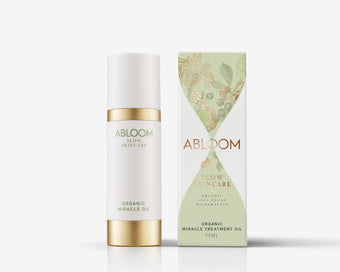
The Miracle Oil is intensely nourishing, but only suitable once your skin no longer shows active inflammation.
Tip: build everything up slowly and observe carefully.
View Abloom's rosacea products
Want to try it first? The Abloom Rosacea Regimen Set contains our products in mini sizes and will last you approximately 7 days.
The emotional impact of rosacea
Rosacea is not only physically unpleasant, it is also visible, which can lead to insecurity or shame. Many people feel that their skin is letting them down. That is why it is important to approach your skin with gentleness and understanding.
Knowledge brings peace of mind. Understanding what your skin needs reduces stress and helps healing.
Finally: rest, routine and realistic expectations
Rosacea asks for patience. Choose pure, bioactive care, support your gut and avoid triggers. There is no quick fix, but with the right approach your skin becomes visibly calmer, stronger and more resilient. And you will feel that, and see it.
Do you suspect you have rosacea, or are you struggling to manage the symptoms? Ask our skin therapist for personal advice: info@abloomskincare.com
In short: calm your skin from within
Rosacea is more than a red face: it is an inflammatory reaction, often caused by an imbalance in your skin and gut. Complaints such as redness, bumps, a burning feeling and visible small blood vessels come in waves, often triggered by sun, stress, food or the wrong products.
Commonly used creams make rosacea worse by sealing off the skin. What helps? Lightweight formulas with calming plant extracts such as aloe vera, chamomile and witch hazel. Combine this with omega 3, probiotics and a fibre-rich diet.
At Abloom we choose low-fat, bioactive skincare that restores the skin without burdening it. Fewer irritants, more balance, inside and out.
Frequently asked questions
Which ingredients should I avoid with rosacea?
Can diet affect my rosacea?
Can rosacea really improve with the right care?
About the author
More about Barbara BaarsNot sure what your skin needs?
Take the free skin test and find the routine that suits your skin.