Natural retinol and exfoliation: tips, myths and benefits
 By Barbara Baars
4 min read
In this article
Healthy, radiant skin starts with the right skincare. Two powerful ingredients that play a key role in skin rejuvenation are retinol and exfoliation. But how do you combine them the right way without irritating your skin? And why would you choose natural alternatives instead of harsh chemical formulas? At Abloom Skincare we believe in the power of nature, and we show you how to reveal the most beautiful version of your skin with pure, organic ingredients.
Why natural retinol and exfoliation go perfectly together
Retinol, a form of vitamin A, is known for its ability to stimulate cell renewal. This helps reduce fine lines and wrinkles and improves skin texture. Exfoliation removes dead skin cells, so your skin looks fresher and more radiant and is better able to absorb nutrients. By combining these two processes the right way, you can achieve a healthy glow without overloading your skin.
However, not all retinol and exfoliants are equal. Many conventional products contain synthetic additives that can irritate the skin. That is why choosing natural retinol or alternatives is essential.
The benefits of natural retinol and exfoliation
Natural retinol alternatives
- Rosehip oil contains provitamin A (beta-carotene), which can be converted into retinoic acid in the skin.
- Kahai oil, from the cacay tree, is another natural source of vitamin A. This oil hydrates and soothes the skin and stimulates collagen production.
- Sea buckthorn oil is rich in vitamin E and provitamin A, which fight free radicals and calm the skin.
- Suitable for sensitive skin types, while traditional retinol is often too harsh.
Botanical exfoliants
- Natural fruit enzymes such as papaya and pineapple exfoliate gently and remove dead skin cells without damaging the skin barrier.
- Exfoliants based on oats, for example, offer a gentle mechanical peel without microplastics or synthetic substances.
- They help purify the skin and make it glow, without excessive dryness or irritation.

Did you know...
- that the Dutch Cosmetics Association (NCV) recently called for synthetic retinol to be regulated or even banned because of possible skin irritation, UV sensitivity and impact on health?
- that fruit enzymes not only exfoliate, but also contain antioxidants that protect the skin against harmful external influences?
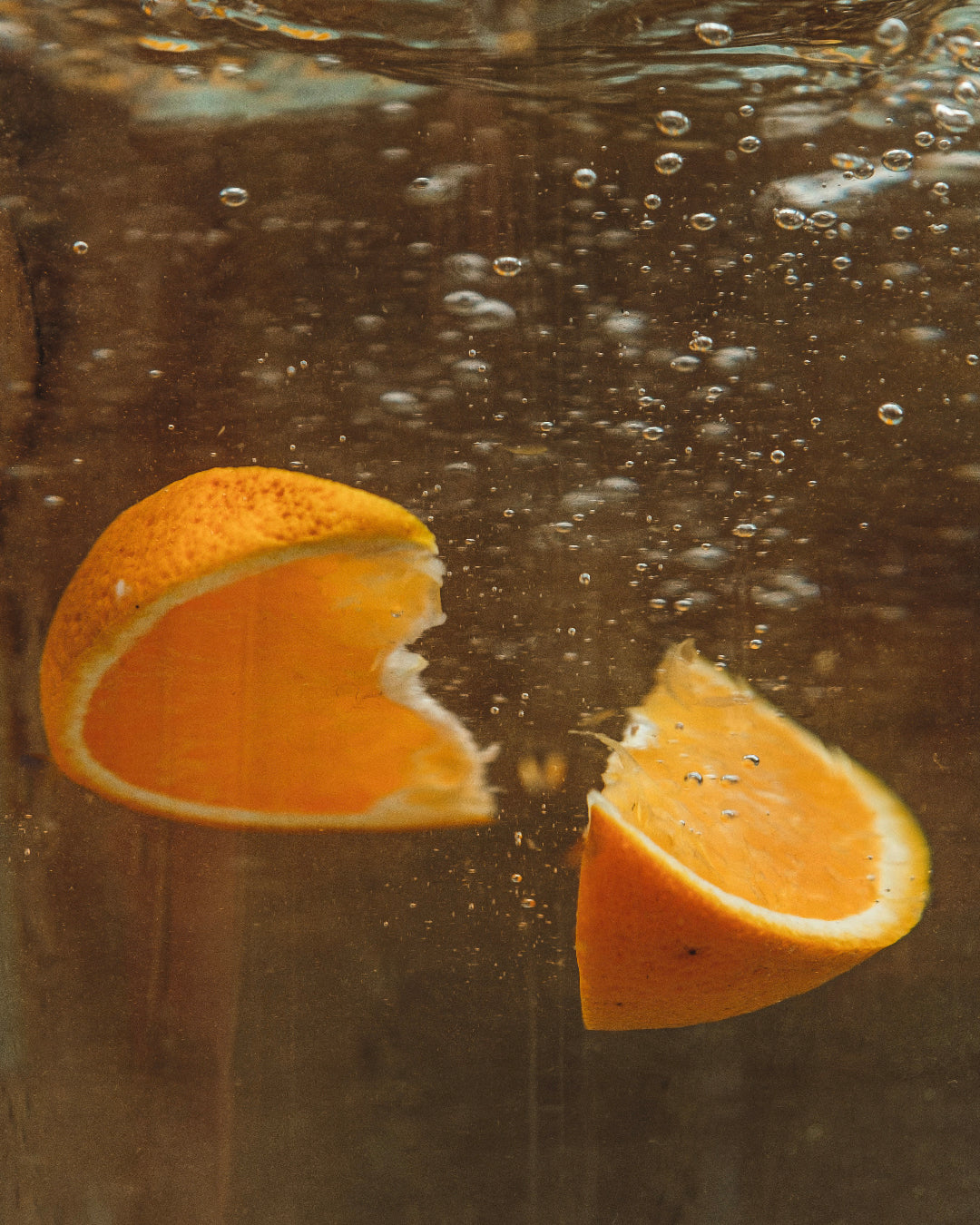
- that the bright orange colour of sea buckthorn oil comes from its extremely high content of beta-carotene (provitamin A), which helps with skin renewal and protection against UV damage?
"Radiant skin, without compromise. With the power of natural retinol and botanical exfoliants, you nourish your skin in a pure and effective way, without chemical junk."
Josephine Alofs
How often should you exfoliate?
Most important tip: exfoliating should feel comfortable, not like a chore. If your skin feels soft and radiant, you are doing it right. Does your skin feel tight or irritated? Then give it a rest for a while.
With natural exfoliants like the ones in our Organic Enzyme Peeling, you can renew your skin in a safe and gentle way, without the risk of over-exfoliating. Too much of anything is never good, so the same applies here: feel what your skin needs!
Beauty tip: the perfect post-peeling ritual
- Apply our Organic Enzyme Peeling (mixed with honey).
- Rinsing gives an extra scrub effect: gently massage your skin while rinsing. The oat particles exfoliate without damaging the skin.
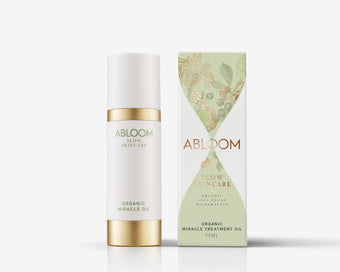
- After the peeling, apply a few drops of Supreme Skin Elixir or Miracle Oil. Thanks to the exfoliation, the active ingredients penetrate deeper into the skin.
The result? Fresh, even skin with a natural glow!
Common mistakes (and how to avoid them)
- Mistake 1: not using SPF after exfoliation and natural retinol. Solution: protect your skin during the day with a natural SPF to prevent UV damage and keep your skin healthy.
- Mistake 2: giving up on natural retinol too soon. Patience: natural retinol works more gently and slowly than synthetic retinol, but it is less irritating and more effective in the long run.
- Mistake 3: exfoliating too often. Solution: limit exfoliation to 2 or 3 times a week, depending on your skin type, to avoid overstimulation and damage to the skin barrier.
Myths busted: using retinol and exfoliation together
- Myth 1: you should never use natural retinol and exfoliation together. Fact: you can, as long as you find the right balance. Kahai oil and fruit enzymes can safely be used together, while traditional retinol and AHAs are better used on alternate days.
- Myth 2: natural retinol thins the skin. Fact: retinol and natural vitamin A actually stimulate cell renewal, which in the long term leads to stronger, healthier skin.
- Myth 3: natural retinol alternatives are less effective than synthetic ones. Fact: ingredients such as Kahai oil and bakuchiol offer anti-ageing benefits comparable to synthetic retinol, but without the side effects of redness and irritation.

Summary
Natural retinol and exfoliation work perfectly together
Bakuchiol and Kahai oil offer the same benefits as synthetic retinol, but without irritation. Mild fruit enzymes exfoliate without damaging the skin barrier.
The right balance prevents irritation
Use retinol and exfoliation on alternate days, or choose a mild combination such as bakuchiol and enzymatic exfoliation. Never forget to use SPF!
Natural is just as effective, without chemical junk
By avoiding synthetic ingredients and choosing natural and organic skincare, you nourish your skin in a safe, sustainable and effective way.
Frequently asked questions
Can I use natural retinol and exfoliation on the same day?
Is natural retinol as effective as synthetic retinol?
How often should I exfoliate for healthy skin?

About the author
More about Barbara BaarsNot sure what your skin needs?
Take the free skin test and find the routine that suits your skin.