Your Skin in Autumn: Why it feels drier and what it really needs

As summer fades into autumn, it’s not just nature that changes; your skin does too. Perhaps it feels tighter or drier than usual, or you notice it has lost some of its natural glow. That’s no coincidence: colder temperatures, lower humidity and indoor heating all take a toll on your skin, leaving it feeling out of balance. In this article, you’ll discover why that happens, what changes inside your skin, and how to help it naturally recover and stay healthy throughout the season.
What Happens to the Skin in Autumn
When the air turns colder, the tiny blood vessels in your skin constrict to preserve body warmth. That’s a smart survival response, but it also means the skin receives less oxygen and fewer nutrients. At the same time, humidity drops both outdoors and indoors. Dry air pulls moisture from the upper layers of the skin, making it feel rough, flaky, or tight. This combination affects the skin’s ability to stay supple and balanced.
The biggest change? Sebum production slows down. The sebaceous glands become less active and produce fewer natural lipids, the skin’s own protective oils that keep it hydrated and resilient.
Why Sebum Production Decreases in Autumn
Sebum, or natural skin oil, is essential for maintaining a healthy skin barrier. Produced by the sebaceous glands in the dermis, it combines with sweat and skin cells to form the hydrolipid film, a thin, protective layer that keeps moisture in and harmful elements out. In autumn, this system slows down for three main reasons:
-
Reduced warmth = slower circulation
In cold weather, blood vessels narrow, so the skin receives less energy to fuel the glands that produce sebum. As a result, the production of fatty acids, triglycerides and squalene decreases, the very components that keep skin soft and elastic. -
Dry air = faster moisture loss
Cold air holds less moisture than warm air, and indoor heating makes it even worse. This leads to transepidermal water loss: the evaporation of moisture through the skin’s surface. Normally, sebum helps to prevent this, but when production slows, the natural protection becomes thinner. -
Less sunlight = slower cell activity
Sunlight boosts vitamin D production and stimulates skin metabolism. In darker months, cellular renewal and lipid production both slow down.
When the Skin Produces Less Sebum
Sebum is more than just oil; it’s a vital protective substance made of fatty acids, squalene and antioxidants. Together, they:
- Keep the skin smooth and flexible
- Prevent dehydration
- Support the skin’s natural microbiome
- Provide mild antibacterial protection
When sebum levels drop, the skin loses this natural shield. Moisture escapes more easily, the barrier weakens, and the skin can become sensitive, red, or dull. In short, the skin becomes unbalanced, which is why autumn skincare should focus on restoring that balance naturally.
What the Skin Needs in Autumn
The goal isn’t to overload your skin with heavy creams, but to help it restore its own rhythm. Supporting the natural oil and moisture balance keeps the barrier strong, flexible and resilient against seasonal stress.
The Hydrating Toner: Nutrition and Protection for Autumn Skin
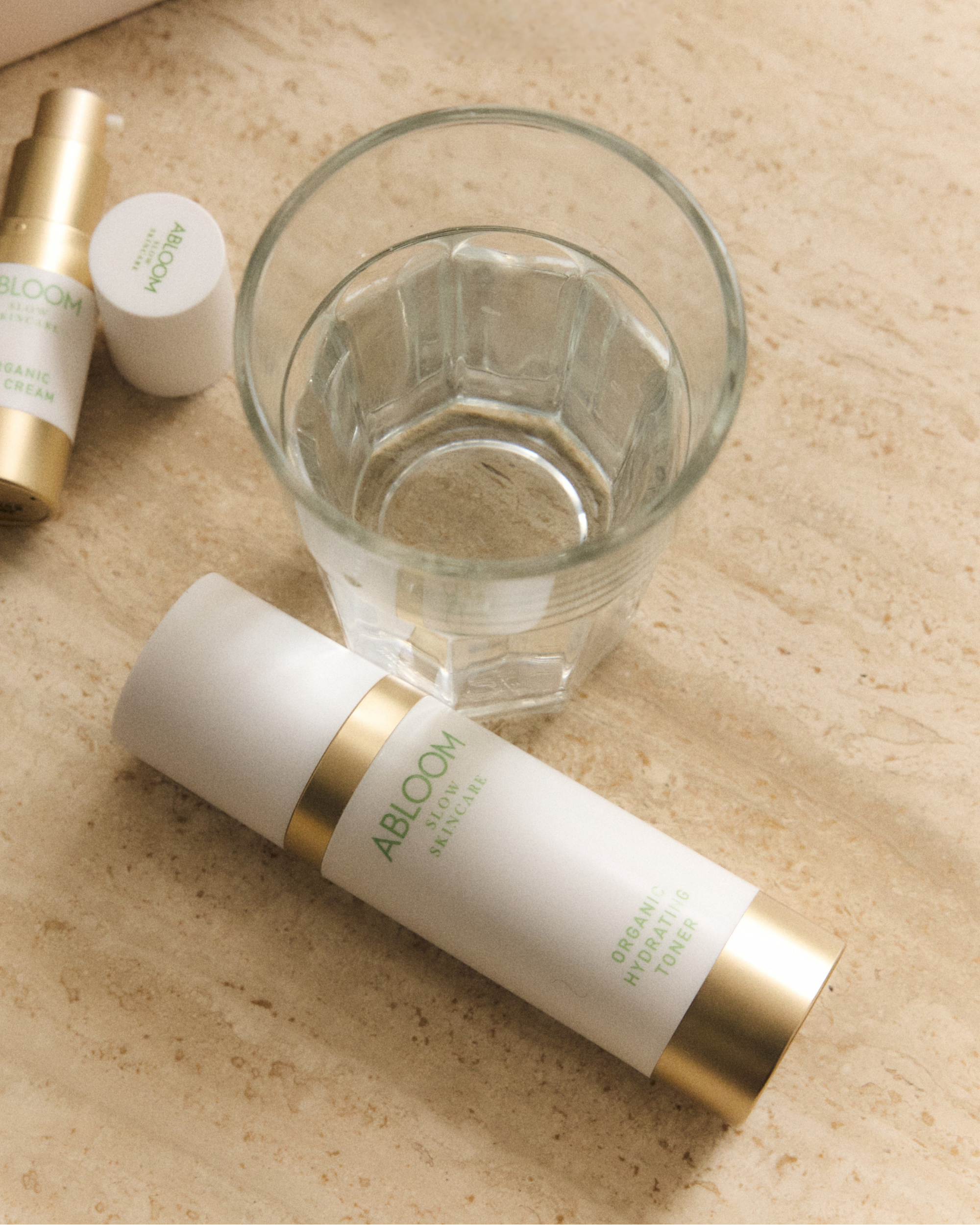
In autumn, the skin needs care that not only hydrates but also nourishes and protects. The Abloom Hydrating Toner was designed to do exactly that: a bioactive, plant-based formula that locks in hydration, strengthens the skin barrier and protects against environmental stress.
Key ingredients:
- Aloe vera – soothes, calms and supports the skin’s natural repair process
- Ectoine – shields skin cells from dryness, cold and oxidative stress
- Tremella (snow mushroom) – a natural humectant that keeps skin soft and elastic
- Camu camu – rich in vitamin C, supports collagen production and defends against free radicals
- Rosehip & sea buckthorn oils – provide essential fatty acids and antioxidants to fortify the barrier
The Hydrating Toner leaves the skin comfortable, hydrated and better equipped to handle temperature and humidity changes. It also enhances the absorption of nutrients from the products you apply afterwards.
Feed Your Skin from Within: The Autumn Diet
What you eat also affects your skin’s resilience. During the colder months, focus on foods that strengthen cell membranes and help maintain healthy lipid balance.
Beneficial nutrients include:
- Omega-3 fatty acids (flaxseed, walnuts, salmon, chia) – reinforce the skin barrier and reduce inflammation
- Vitamin C (citrus, peppers, berries) – supports collagen synthesis and protects against oxidative stress
- Vitamin E (almonds, sunflower seeds) – protects the skin’s lipid layer
- Zinc (pumpkin seeds, legumes) – regulates sebum production and aids healing
- Beta-carotene (carrots, pumpkin, sweet potato) – supports cell renewal and antioxidant defense
A varied, plant-rich diet with healthy fats helps keep your skin supple, especially when natural oil production slows down.
Boost Circulation: Gentle Massage and Face Yoga
Colder weather means less blood flow to the skin, which can make it appear pale and tired. Gentle facial massage or regular face yoga can help reactivate microcirculation, improving oxygen delivery and nutrient uptake.
Scientific research has shown that face yoga not only relaxes overactive muscles but also enhances elasticity and stimulates blood flow (Güzel & Keçelioğlu, 2025; Manincor et al., 2024; Jakhar, 2018). Better circulation means that oxygen and bioactive ingredients are more effectively delivered to the skin, supporting collagen and firmness. Just a few minutes of gentle facial stimulation each day can help restore a healthy, natural glow.
In Summary
Dry skin in autumn is a natural response to colder weather and lower sebum production. By cleansing gently, nourishing deeply and stimulating circulation, you help your skin stay supple and resilient.
Essential steps for autumn skincare:
- Cleanse gently, preferably in the evening
- Use the Hydrating Toner to strengthen the barrier and improve absorption of bioactives
- Support your natural lipid layer with cold-pressed oils and antioxidants (in your day or night cream)
- Eat seasonally: include omega-rich and vitamin C & E foods
- Stimulate circulation with gentle massage or face yoga for a healthy glow
Abloom Slow Skincare – in tune with the season, in harmony with your skin.